
Without This Iconic Computer, We May Not Have Laptops Today
Without This Iconic Computer, We May Not Have Laptops Today
The Osborne 1 Portable Computer on a desk.
Photology1971/Shutterstock
The words you’re about to read were typed on the comfortable keyboard of a MacBook Pro that can still get the job done despite the years of use it has seen. You might also use a laptop when you stumble upon this article, but we’re only able to use laptops today because someone envisioned a portable computer more than 40 years ago and showed the world that the idea was feasible. It wasn’t Steve Jobs or Bill Gates. The Osborne 1 Portable Computer, created by Adam Osborne, set the stage for innovations that would shape portable computers into the laptops we use today.
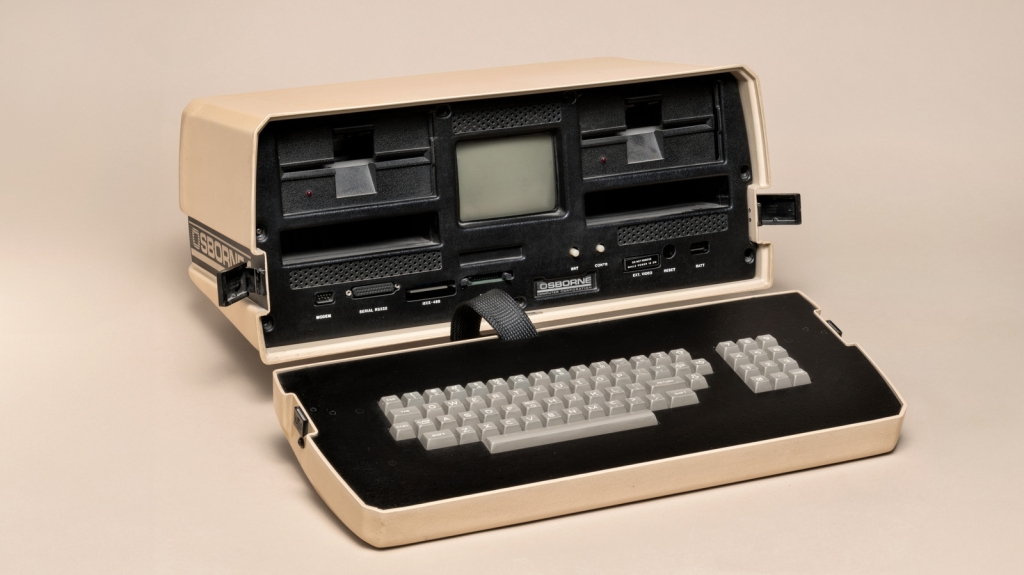
Many won’t remember Osborne or even know who he was because his business endeavors were not as successful as Apple and Microsoft. He could not shape mainstream computer design as directly as Steve Jobs did by leading Apple with its first Apple computer and later with the iMacs and MacBooks. But the laptops available today in any electronics store exist because Osborne was able to create the computer in the image above and turn it into a successful product for commercial users during the company’s short-lived history.
Adam Osborne was into computers well before creating the Osborne 1. In the 1970s, Osborne authored computer manuals and wrote for magazines. In 1980, Osborne joined forces with Lee Felsenstein, proposing the idea of a portable computer. That’s how the Osborne Computer Corporation was founded in 1981, with the Osborne 1 becoming their first product.
What could the Osborne 1 laptop do?
Person using an Osborne portable computer.
Bettmann/Getty Images
While the Osborne 1 was a laptop-type device, it wasn’t exactly usable on your lap, like modern notebooks. The machine weighed about 24 pounds (10.7 kg) and featured a keyboard attached to the mainframe with a single cable. It was, however, small enough to be carried on a plane. The screen measured only five inches, a display size that’s smaller than the iPhone 17’s 6.3-inch screen. The Osborne 1 also featured two floppy drives on either side of the display, a 4.0 MHz Zilog Z80 processor with 64K RAM, and ran on the CP/M operating system. People bought the Osborne 1 for very narrow uses compared to today’s standards, including writing and accounting.
By comparison, the 2025 M5 MacBook Pro features a 14-inch display, Apple’s powerful M5 processor, 16GB of RAM (up to 32GB), and 512GB of storage (up to 4TB). It runs on macOS, offers battery life of up to 24 hours, and weighs 3.4 pounds (1.55 kg).
The Osborne Computer Company started selling the Osborne 1 in April 1981 for $1,795 per unit. Orders ramped up, reaching 10,000 units per month, which turned into substantial revenue for the company. The first year of Osborne 1 sales brought in $6 million, rising to $68 million in 1982. But this wasn’t going to be a success story. Increasing competition and a marketing mistake (promoting a next-generation product too early) eventually forced Osborne to declare bankruptcy in 1983.
Tags / Viral Phrases:
- The laptop that started it all
- Forgotten tech pioneer
- Before MacBook, there was Osborne 1
- How portable computing began
- The machine that weighed 24 pounds
- The 5-inch screen that changed history
- Adam Osborne: The unsung hero of laptops
- The first true portable computer
- Osborne 1 vs MacBook Pro: A 40-year evolution
- The rise and fall of Osborne Computer Corporation
- The marketing mistake that killed a tech giant
- How one computer paved the way for modern laptops
- The 1981 machine that weighed more than some modern desktops
- The forgotten story behind your laptop
- The computer that couldn’t fit on your lap
- The $1,795 machine that revolutionized computing
- The tech legend you’ve never heard of
- The portable computer that airlines actually allowed
- The 64K RAM machine that started a revolution
- The computer that proved portability was possible
,

Leave a Reply
Want to join the discussion?Feel free to contribute!