
Workers Say “We See Everything”
Meta’s Smart Glasses: The Hidden Cost of Convenience
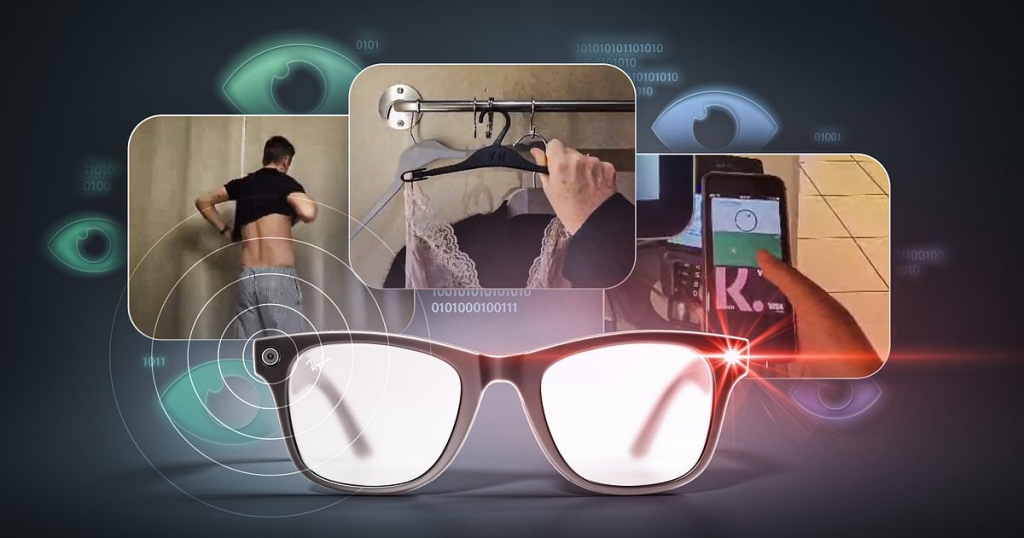
In a sleek marketing campaign, Meta’s Ray-Ban smart glasses are presented as the ultimate AI assistant—helping users capture stunning moments, translate languages, and even identify landmarks. But beneath the polished ads lies a troubling reality: these glasses are quietly collecting and processing intimate, private moments from people’s lives—often without their knowledge—and sending them to human workers in low-income countries for review.
The investigation, a collaboration between Svenska Dagbladet, Göteborgs-Posten, and journalist Naipanoi Lepapa, reveals how Meta outsources the annotation of private video, audio, and text data to a Kenyan company called Sama. Workers there are paid to review clips that include bathroom visits, sexual encounters, and even glimpses of bank cards and porn—footage that could cause “enormous scandals” if leaked. Despite Meta’s assurances about privacy, these workers say the content is deeply personal and often involves unknowing subjects.
The process works like this: When users activate the glasses’ AI features, their voice, video, and text data are transmitted to Meta’s servers, processed, and sometimes reviewed by human annotators. Meta’s own terms acknowledge that “in some cases” this review can be manual—meaning real people see your private interactions. Yet most users are unaware of this, and salespeople often give misleading or incomplete information about data sharing.
In Sweden, retailers like Synsam and Synoptik told customers that data stays “locally in the app” or that nothing is shared with Meta—claims that don’t hold up under scrutiny. When GP and SvD tested the glasses, they found that even with privacy settings, the device still communicates with Meta’s servers abroad, and the AI cannot function without this data transfer.
The workers in Kenya describe feeling uncomfortable and exposed to sensitive material daily. They say faces meant to be blurred sometimes remain visible, and that the content they review can be shockingly intimate. Meta has not clarified how it prevents private material from reaching annotators, nor has it explained how long data is stored or who has access to it.
Legal experts warn that Meta’s practices may violate GDPR, especially since Kenya is not recognized by the EU as providing adequate data protection. While Meta claims it has safeguards in place, the lack of transparency and the global outsourcing of sensitive data raise serious questions about consent and control.
At the heart of the issue is a paradox: the more advanced and helpful the technology seems, the more invasive it becomes. As one annotator put it, “If people knew the extent of the data collection, no one would dare to use the glasses.” The investigation exposes a hidden chain of surveillance, labor, and data exploitation—one that begins in your living room and ends in an office halfway around the world.
Tags: #Meta #SmartGlasses #Privacy #AI #DataExploitation #Surveillance #GDPR #Kenya #Sama #TechEthics #MarkZuckerberg #RayBanMeta #DataPrivacy #IntimateData #HumanReview #TechLabor #DigitalPrivacy #PersonalData #SmartTech #PrivacyConcerns
Viral Sentences:
– “If people knew the extent of the data collection, no one would dare to use the glasses.”
– “You think that if they knew about the extent of the data collection, no one would dare to use the glasses.”
– “The AI revolution is to a large extent built on labor in low-income countries.”
– “Your eyes, their data.”
– “The more advanced and helpful the technology seems, the more invasive it becomes.”
– “A hidden chain of surveillance, labor, and data exploitation.”
– “The hidden cost of convenience.”
– “Smart glasses that see too much.”
– “Privacy policies that hide the truth.”
– “The human behind the AI.”
– “From your living room to an office halfway around the world.”
– “The most intimate moments, reviewed by strangers.”
– “Tech giants outsourcing your privacy.”
– “When your private life becomes someone else’s job.”
– “The illusion of control in the age of smart tech.”
– “Data without borders, privacy without protection.”
– “The unseen cost of the AI revolution.”
– “Consent lost in translation.”
– “The global workforce behind your smart glasses.”
– “Your data, their profit, your privacy, their problem.”,
Leave a Reply
Want to join the discussion?Feel free to contribute!