
Xbox surprise: Microsoft reveals ‘Project Helix’ as the codename of its next console
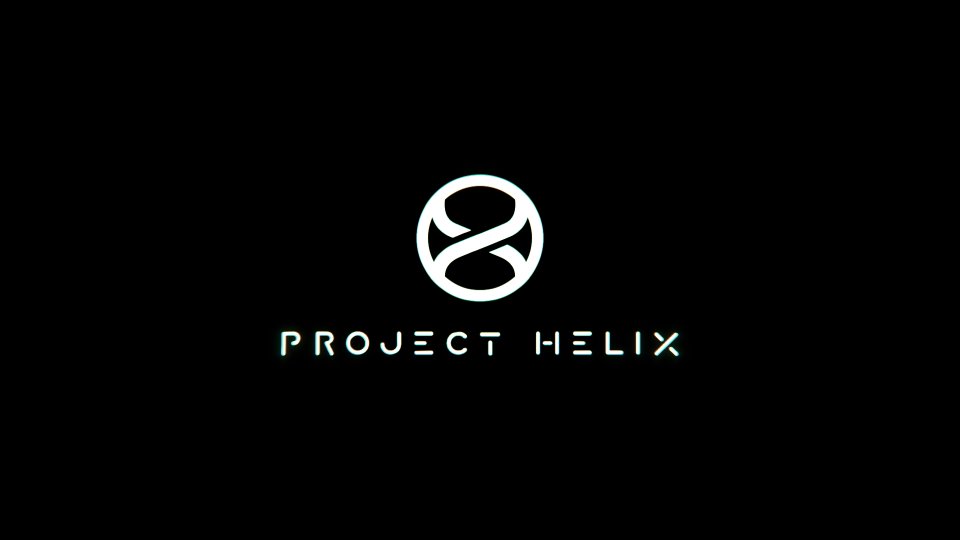
Microsoft’s Project Helix: The Next-Gen Xbox Emerges from the Shadows
In a move that has sent shockwaves through the gaming industry, Microsoft has officially unveiled the code name for its next-generation Xbox console: Project Helix. The revelation, which came quietly via an X post on Thursday morning, marks a significant moment in gaming history, especially considering the persistent rumors about Xbox’s potential demise.
A New Era Under New Leadership
The announcement carries additional weight as it represents the first major hardware reveal under the leadership of Asha Sharma, who recently stepped into the role of Xbox CEO, replacing longtime leader Phil Spencer. Sharma’s ascension to the top spot at Xbox came as a surprise to many, given Spencer’s 38-year tenure at Microsoft and his status as the face of Xbox for over a decade.
In her follow-up post on X, Sharma demonstrated her commitment to the brand, stating that Project Helix will “lead in performance” and “play your Xbox and PC games.” This dual emphasis on raw power and ecosystem compatibility suggests that Microsoft is positioning its next console as both a technological powerhouse and a central hub for its gaming universe.
The Timing: More Than Coincidence?
The timing of this announcement is particularly intriguing. Coming just days before the annual Game Developers Conference (GDC) in San Francisco, Microsoft appears to be setting the stage for what could be a series of revelations next week. GDC has evolved significantly in recent years, transforming from a purely developer-focused event into a platform where major gaming companies unveil their latest innovations and strategic directions.
For Sharma, GDC represents more than just another industry event—it’s her first appearance at the show as Xbox’s new leader. Reports indicate she has plans to meet with both partners and studios during the conference, suggesting that Microsoft may be laying the groundwork for broader announcements about its gaming ecosystem.
What We Know (and What We Don’t)
The information currently available about Project Helix is deliberately sparse, which is typical for hardware in the early stages of development. However, several key details have emerged:
Performance Leadership: Sharma’s emphasis on Project Helix “leading in performance” suggests Microsoft is prioritizing raw power and technical capabilities. This could indicate a focus on 8K gaming, advanced ray tracing, or other cutting-edge technologies.
Backward Compatibility: The promise that it will “play your Xbox and PC games” strongly hints at robust backward compatibility, potentially extending across multiple generations of Xbox hardware and even bridging the console-PC divide.
Code Name Significance: The choice of “Helix” as a code name is interesting. In mathematics and biology, a helix represents a spiral structure—suggesting evolution, progression, or perhaps a fundamental rethinking of console architecture.
Industry Context: Why This Matters
The announcement of Project Helix carries significant weight given the current state of the gaming industry and Microsoft’s position within it. Just months ago, persistent rumors suggested that Microsoft’s executives were considering sunsetting Xbox entirely, focusing instead on software and cloud gaming services.
These rumors gained traction following reports about “crazy Xbox profit expectations” that seemed to be driving major changes within Microsoft’s gaming division. The pressure to deliver unprecedented profitability in an increasingly competitive market led many analysts to speculate about Xbox’s long-term viability as a hardware platform.
Additionally, the gaming industry faces a significant challenge: a global memory shortage caused by the explosive growth of AI data centers. This shortage has affected everything from graphics cards to consoles, with some reports suggesting that Sony might be forced to delay the PS6 until 2029 due to RAM scarcity.
The AI Factor
The memory shortage represents one of the most significant supply chain challenges the gaming industry has faced in decades. AI data centers require enormous amounts of high-bandwidth memory (HBM) for machine learning workloads, creating unprecedented demand that’s straining global supply chains.
For console manufacturers, this presents a complex problem. Next-generation consoles require substantial memory for 4K/8K gaming, advanced physics simulations, and increasingly complex game worlds. The competition with AI infrastructure means that console launches might need to be delayed or that Microsoft might need to explore alternative memory architectures for Project Helix.
What This Means for Gamers
For the gaming community, the confirmation of Project Helix represents both reassurance and excitement. Despite the rumors and industry challenges, Microsoft appears committed to continuing its console hardware business for at least one more generation.
The emphasis on performance leadership suggests that Microsoft is aiming to reclaim technological superiority in the console wars, potentially positioning Project Helix as a direct challenge to Sony’s next PlayStation. The backward compatibility promise is particularly significant, as it suggests Microsoft understands the value of game libraries and wants to ensure that players’ existing investments remain valuable.
Looking Ahead to GDC and Beyond
As the gaming world turns its attention to San Francisco for GDC, all eyes will be on Microsoft and what additional information might emerge about Project Helix. The conference provides the perfect platform for Microsoft to elaborate on its vision for the next generation of gaming, potentially revealing details about:
- Hardware specifications and architectural innovations
- Integration with Xbox Cloud Gaming and PC ecosystems
- Partnership strategies with game developers and publishers
- Timeline for development and potential launch windows
- How Microsoft plans to navigate the memory shortage and supply chain challenges
The Bigger Picture
Project Helix represents more than just another console—it’s a statement about Microsoft’s commitment to gaming hardware in an era where many believed the company might abandon physical consoles entirely. In a market where gaming increasingly spans multiple devices and platforms, Microsoft appears to be betting that there’s still significant value in a powerful, dedicated gaming machine that serves as the centerpiece of a broader ecosystem.
The next few months will be crucial as more details about Project Helix emerge. Whether it launches in late 2027 as initially rumored or faces delays due to supply chain issues, one thing is clear: Xbox isn’t going anywhere, and Microsoft is investing heavily in its future as a gaming platform.
As we await further announcements, the gaming community can breathe a sigh of relief knowing that the console wars will continue, with Project Helix representing Microsoft’s vision for the next frontier of interactive entertainment.
Tags: Project Helix, Xbox Next Gen, Asha Sharma, Gaming Industry News, Console Wars, Xbox Hardware, Next Generation Gaming, Microsoft Gaming, GDC 2026, Gaming Technology, Backward Compatibility, Console Development, Gaming Ecosystem, Xbox Future, Hardware Innovation
Viral Phrases: “Project Helix revealed,” “Xbox’s next evolution,” “Gaming’s future unveiled,” “Microsoft doubles down on hardware,” “The console that AI couldn’t kill,” “Sharma’s first major move,” “Performance leadership confirmed,” “Backward compatibility promise,” “GDC 2026 bombshell,” “Next-gen gaming confirmed,” “The return of Xbox,” “Gaming’s memory crisis,” “Console development continues,” “Xbox ecosystem expansion,” “Hardware in the cloud age”
,

Leave a Reply
Want to join the discussion?Feel free to contribute!