
Xiaomi ends first-gen SU7 production, prepares next-gen model · TechNode
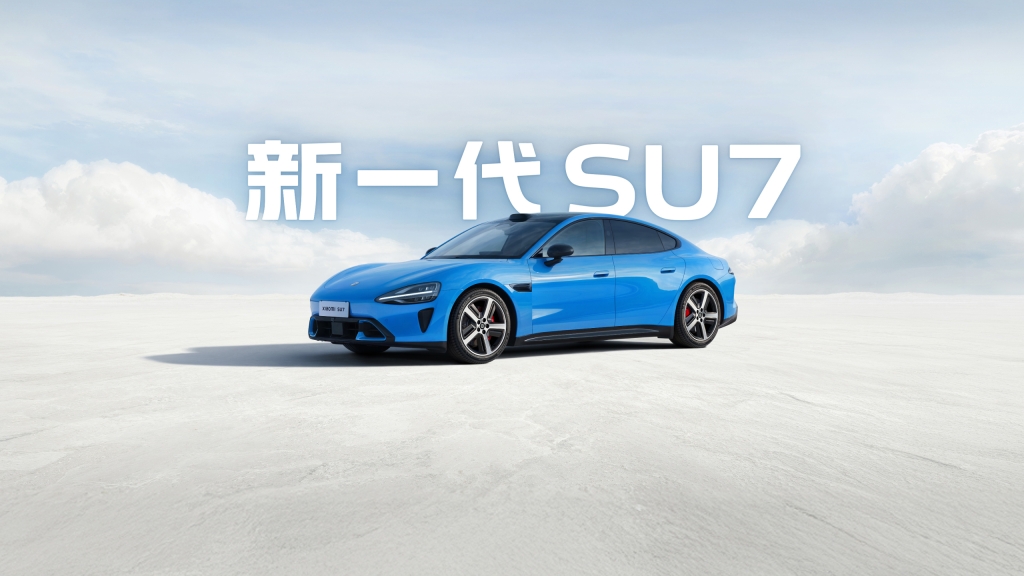
Xiaomi Ends Production of First-Generation SU7 After 370,000 Units, Preps Next-Gen EV with LiDAR and 800V Platform
In a move that underscores Xiaomi’s aggressive push into the electric vehicle market, the company has officially ended production of its first-generation SU7 sedan. The announcement came directly from Xiaomi CEO Lei Jun during a livestream on Tuesday, marking the close of an important chapter in the tech giant’s automotive ambitions.
The final unit—a distinctive olive-green SU7—was delivered to a long-time Xiaomi fan, affectionately known in the community as a “Mi fan,” who requested the car as a keepsake. This symbolic handover signals not just the end of production but also the transition to Xiaomi’s next-generation electric vehicle strategy.
Deliveries of the first SU7 began in April 2024, and after a production run spanning nearly two years, the assembly lines were shut down in January 2026. According to Xiaomi, a total of 370,000 units were built during this period, a figure that demonstrates the model’s commercial success and consumer acceptance in a highly competitive EV market.
But Xiaomi isn’t resting on its laurels. The company has already set its sights on the future, revealing that the production halt will free up manufacturing capacity for an all-new SU7 model. This next-generation vehicle is expected to launch in April and promises a suite of advanced features designed to keep Xiaomi at the forefront of the EV revolution.
Among the most notable upgrades are the integration of LiDAR (Light Detection and Ranging) technology and an 800-volt high-voltage platform. LiDAR, a sensor technology that uses laser light to measure distances and create detailed 3D maps of the environment, is becoming increasingly common in high-end electric vehicles, particularly those with aspirations toward higher levels of autonomous driving. The 800V platform, on the other hand, allows for faster charging times and improved energy efficiency—both critical factors for modern EV buyers.
Xiaomi’s decision to incorporate these technologies reflects the company’s commitment to innovation and its desire to compete with established automotive players and emerging EV startups alike. The new SU7 is not just an incremental update; it represents a significant leap forward in terms of performance, safety, and user experience.
The anticipation for the next-gen SU7 is already palpable. Within just two weeks of opening preorders, Xiaomi has received nearly 100,000 orders—a testament to the brand’s strong following and the market’s appetite for cutting-edge electric vehicles. This level of early interest suggests that Xiaomi’s EV ambitions are resonating with consumers, even as the company faces stiff competition from rivals like NIO, XPeng, and Tesla in the Chinese market.
Lei Jun’s livestream announcement was more than just a production update; it was a statement of intent. By publicly marking the end of the first SU7’s run and teasing the arrival of its successor, Xiaomi is signaling its long-term commitment to the automotive sector. The company, which first entered the EV space with much fanfare and a promise to “make the best car in the world,” appears to be doubling down on its strategy.
The SU7’s production numbers—370,000 units over nearly two years—are particularly noteworthy. In the context of China’s booming EV market, this figure places Xiaomi among the more successful new entrants, especially considering the challenges faced by many startups in scaling production and building brand trust. The company’s ability to deliver such volumes also speaks to its robust supply chain and manufacturing partnerships, likely with contract manufacturers like BAIC or Foxconn.
As for the new SU7, the inclusion of LiDAR is a clear indication that Xiaomi is targeting a more tech-savvy, premium segment of the market. LiDAR is often associated with advanced driver-assistance systems (ADAS) and is a key enabler for higher levels of autonomous driving. By integrating this technology, Xiaomi is positioning the next-gen SU7 as a vehicle that not only offers smart connectivity—a hallmark of Xiaomi’s ecosystem—but also cutting-edge safety and autonomy features.
The 800V platform is another strategic choice. Compared to the more common 400V systems, 800V architecture allows for significantly faster charging, reducing the time drivers spend at charging stations—a crucial selling point for EV adoption. It also enables more efficient power delivery, which can translate to better performance and longer range.
Xiaomi’s rapid preorder numbers suggest that the company’s brand strength and reputation for innovation are translating well into the automotive sector. The SU7’s design, which blends Xiaomi’s signature minimalist aesthetic with practical EV considerations, has clearly struck a chord with consumers. The olive-green final unit, in particular, highlights the brand’s attention to personalization and emotional connection—a strategy that has served Xiaomi well in its smartphone business.
Looking ahead, the April launch of the new SU7 will be a critical moment for Xiaomi. The company will need to deliver on the high expectations set by its preorder numbers and technological promises. Success could solidify Xiaomi’s position as a major player in the global EV market, while any missteps could dampen momentum at a crucial juncture.
In the broader context of the EV industry, Xiaomi’s moves reflect a wider trend: the rapid integration of advanced technologies like LiDAR and high-voltage platforms as standard features in new models. As competition intensifies, automakers are increasingly differentiating themselves through innovation, and Xiaomi is clearly eager to be at the forefront of this shift.
For now, the legacy of the first-generation SU7 is secure. It served as Xiaomi’s bold entry into the automotive world, proving that a tech company could successfully design, manufacture, and deliver a compelling electric vehicle at scale. As production winds down and the next chapter begins, all eyes will be on Xiaomi to see if the next-gen SU7 can build on this foundation and truly deliver on the company’s ambitious vision for the future of mobility.
Tags: Xiaomi SU7, Lei Jun, electric vehicle, EV production, LiDAR, 800V platform, Xiaomi EV, next-gen SU7, autonomous driving, Chinese EV market, BAIC, Foxconn, NIO, XPeng, Tesla, EV technology, EV preorder, Xiaomi livestream, automotive innovation, EV charging, ADAS, EV manufacturing, Xiaomi ecosystem, EV competition, April 2026 launch
Viral Phrases: Xiaomi ends SU7 production, 370,000 units built, LiDAR and 800V platform, nearly 100,000 preorders in two weeks, Lei Jun livestream announcement, olive-green SU7 keepsake, next-gen EV launch April 2026, Xiaomi’s bold EV move, EV market disruption, Xiaomi’s automotive ambitions, advanced driver-assistance systems, EV charging revolution, Xiaomi’s tech giant EV push, smart EV future, Xiaomi’s EV legacy, EV innovation leader, next chapter in Xiaomi’s EV story, EV production milestone, Xiaomi’s 800V leap, LiDAR-powered SU7, Xiaomi’s EV success story, EV market game changer, Xiaomi’s automotive strategy, EV preorder frenzy, Xiaomi’s EV evolution, EV technology breakthrough, Xiaomi’s EV dominance, EV industry transformation, Xiaomi’s next-gen SU7 excitement, EV market anticipation, Xiaomi’s EV revolution, EV production ends, Xiaomi’s EV milestone, EV tech integration, Xiaomi’s EV vision, EV market leader Xiaomi, Xiaomi’s EV innovation, EV market disruptor Xiaomi, Xiaomi’s EV future, EV preorder record, Xiaomi’s EV strategy, EV market Xiaomi, Xiaomi’s EV breakthrough, EV market Xiaomi SU7, Xiaomi’s EV journey, EV market Xiaomi success, Xiaomi’s EV achievement, EV market Xiaomi milestone, Xiaomi’s EV impact, EV market Xiaomi leader, Xiaomi’s EV progress, EV market Xiaomi innovation, Xiaomi’s EV growth, EV market Xiaomi evolution, Xiaomi’s EV transformation, EV market Xiaomi breakthrough, Xiaomi’s EV revolution, EV market Xiaomi dominance, Xiaomi’s EV legacy, EV market Xiaomi success, Xiaomi’s EV future, EV market Xiaomi vision, Xiaomi’s EV story, EV market Xiaomi chapter, Xiaomi’s EV next-gen, EV market Xiaomi launch, Xiaomi’s EV anticipation, EV market Xiaomi excitement, Xiaomi’s EV milestone, EV market Xiaomi achievement, Xiaomi’s EV progress, EV market Xiaomi growth, Xiaomi’s EV journey, EV market Xiaomi evolution, Xiaomi’s EV transformation, EV market Xiaomi breakthrough, Xiaomi’s EV revolution, EV market Xiaomi dominance, Xiaomi’s EV legacy, EV market Xiaomi success, Xiaomi’s EV future, EV market Xiaomi vision, Xiaomi’s EV story, EV market Xiaomi chapter, Xiaomi’s EV next-gen, EV market Xiaomi launch, Xiaomi’s EV anticipation, EV market Xiaomi excitement
,

Leave a Reply
Want to join the discussion?Feel free to contribute!