
Xiaomi takes its custom chip seriously, says it plans ‘yearly releases’
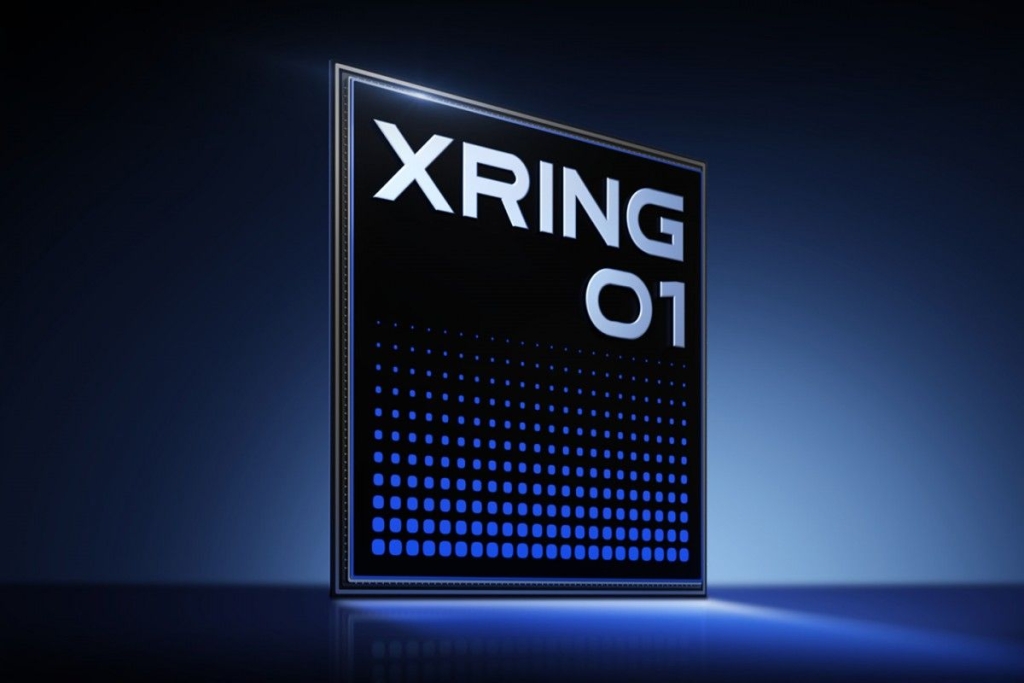
Xiaomi’s Custom Chip Ambitions Just Got Serious: Annual XRing Releases Planned
In a bold move that could reshape the competitive landscape of mobile processors, Xiaomi is doubling down on its custom silicon strategy with plans to release annual upgrades to its XRing chip series. This revelation comes directly from Xiaomi President Lu Weibing in a recent CNBC interview, marking a significant pivot from the company’s previously cautious stance on in-house chip development.
From Hesitation to Full Commitment
The transformation in Xiaomi’s chip strategy is striking. Just months ago, company executives were publicly expressing uncertainty about committing to custom silicon development. Now, President Lu is confidently declaring that consumers should expect yearly XRing chip upgrades, with the 2026 iteration slated for both Chinese and global device launches.
This dramatic shift suggests Xiaomi has overcome significant technical and strategic hurdles in its chip development journey. The company’s investment of 30 billion yuan (approximately $4.1 billion) in 2025 appears to be paying dividends, enabling the infrastructure and expertise necessary for sustained annual development cycles.
The XRing O1: A Strong Foundation
Xiaomi’s first custom chip, the XRing O1, debuted in 2025 with impressive specifications designed to compete with established players like Qualcomm and MediaTek. The chip features Arm’s v9.2 cores and a 10-core design, positioning it as a legitimate contender in the flagship processor market.
The decision to adopt Arm’s latest architecture demonstrates Xiaomi’s commitment to cutting-edge technology. By leveraging Arm’s v9.2 cores, Xiaomi ensures its chips can compete on performance, efficiency, and feature sets with offerings from more established chip designers.
Global Ambitions for XRing Technology
Perhaps most significantly, Xiaomi is now planning to bring its XRing chips to global markets, not just confining them to Chinese devices as some had speculated. This international expansion strategy could have far-reaching implications for the global smartphone market.
By making XRing chips available globally, Xiaomi gains several strategic advantages. First, it reduces dependency on third-party chip suppliers, potentially lowering costs and improving supply chain resilience. Second, it allows Xiaomi to differentiate its devices through unique hardware-software integration that competitors relying on off-the-shelf chips cannot match.
AI Integration: The Next Frontier
The interview also revealed Xiaomi’s plans to expand its AI assistant, Xiao AI, to international markets. This move aligns with the broader industry trend of integrating artificial intelligence more deeply into mobile devices, and having custom silicon specifically optimized for AI workloads could give Xiaomi a significant competitive edge.
Custom chips designed with AI processing in mind can deliver superior performance for machine learning tasks while maintaining power efficiency. As AI becomes increasingly central to smartphone functionality—from photography to personal assistance to real-time translation—having dedicated AI hardware could become a crucial differentiator.
The Samsung and Google Parallel
Xiaomi’s chip strategy bears striking similarities to moves made by other tech giants in recent years. Google’s development of Tensor chips and Samsung’s Exynos line represent similar attempts to gain greater control over hardware capabilities and optimization.
These companies discovered that custom silicon allows for deeper integration between hardware and software, enabling features and performance optimizations that wouldn’t be possible with standard off-the-shelf components. Xiaomi appears to be following this well-trodden path, likely hoping to achieve similar benefits.
Building the Right Team
The creation of a dedicated chip platform department in 2025 signaled Xiaomi’s serious commitment to silicon development. The appointment of Qin Muyun, formerly Qualcomm’s senior director of product marketing, to lead this initiative brought valuable industry experience and connections to the project.
This strategic hiring demonstrates Xiaomi’s understanding that successful chip development requires not just financial investment but also deep technical expertise and industry knowledge. By bringing in talent from established players, Xiaomi accelerates its learning curve and increases its chances of success.
What This Means for Consumers
For smartphone users, Xiaomi’s chip ambitions could translate into several tangible benefits. First, devices powered by XRing chips may offer unique features and optimizations unavailable on competitors’ products. Second, annual updates to the chip architecture could mean more rapid adoption of new technologies and capabilities.
Additionally, Xiaomi’s control over its silicon could lead to better optimization between hardware and software, potentially resulting in improved battery life, faster performance, and more innovative features that leverage the specific capabilities of XRing processors.
Challenges Ahead
Despite the promising trajectory, Xiaomi faces significant challenges in establishing itself as a credible chip designer. The mobile processor market is dominated by well-established players with decades of experience and massive R&D budgets.
Qualcomm, MediaTek, and Apple have built formidable positions through years of iterative improvement and ecosystem development. Xiaomi will need to demonstrate that its XRing chips can match or exceed the performance, efficiency, and feature sets of these established alternatives.
The Road Ahead
As Xiaomi prepares to launch its next-generation XRing chip in 2026, the tech world will be watching closely. Success could establish Xiaomi as a major player in the chip design space and provide a significant competitive advantage in the smartphone market.
Failure, however, could be costly, both financially and reputationally. The mobile processor market is unforgiving, and consumers have high expectations for performance and reliability.
Xiaomi’s commitment to annual XRing releases represents a calculated risk with potentially enormous rewards. If successful, it could reshape the company’s position in the global smartphone market and establish it as a true innovator rather than just an efficient manufacturer of devices powered by others’ technology.
The coming years will reveal whether Xiaomi’s silicon ambitions can match its smartphone manufacturing prowess. For now, the company has made its intentions clear: it’s all-in on custom chip development, and the world should expect to see the results annually.
#Xiaomi #XRing #CustomChip #MobileProcessor #SmartphoneInnovation #TechNews #AIIntegration #ChineseTech #MobileTechnology #ChipDesign #AnnualUpgrade #GlobalMarkets #SiliconStrategy #TechCompetition #MobileAI
Xiaomi goes all-in on custom chips with annual XRing releases
Game-changing move for global smartphone market
Xiaomi challenges Qualcomm and MediaTek dominance
Custom silicon strategy pays off for Chinese tech giant
Annual chip upgrades coming to Xiaomi devices worldwide
XRing O1 sets foundation for future innovation
Xiaomi’s silicon ambitions reach new heights
Breaking: Xiaomi commits to yearly chip development
Mobile processor wars heat up with Xiaomi entry
Custom AI chip could revolutionize smartphone capabilities
Xiaomi builds chip platform department with Qualcomm veteran
30 billion yuan investment fuels chip development success
XRing chips coming to global markets, not just China
Xiaomi follows Google and Samsung path to custom silicon
Annual XRing releases planned through 2026 and beyond
Mobile chip industry disruption incoming from Xiaomi
XRing O1 features Arm v9.2 cores and 10-core design
Xiaomi reduces dependency on third-party chip suppliers
Custom chip strategy enables unique hardware-software integration
Mobile AI acceleration built into XRing architecture
Xiaomi challenges Apple Silicon with custom processor development
Annual chip upgrades could redefine smartphone innovation cycles
XRing technology brings Chinese innovation to global markets
Mobile processor market expansion creates new competitive dynamics
Xiaomi’s silicon gamble could pay massive dividends
Custom chip development accelerates Xiaomi’s technological independence
XRing series positions Xiaomi as serious chip design contender
Mobile industry watches as Xiaomi executes silicon strategy
Annual chip releases demonstrate Xiaomi’s manufacturing efficiency
XRing O1 launch proves Xiaomi’s chip development capabilities
Custom silicon enables features competitors cannot match
Xiaomi’s chip ambitions mirror successful Google Tensor strategy
Mobile processor innovation reaches new competitive heights
XRing technology could unlock next-generation smartphone capabilities
Annual chip development cycle challenges industry norms
Xiaomi’s silicon strategy could reshape global smartphone landscape
Custom chip control gives Xiaomi unprecedented device optimization
XRing series represents Chinese technological advancement
Mobile chip wars intensify with Xiaomi’s aggressive entry
Annual XRing releases signal long-term silicon commitment
XRing O1 demonstrates Xiaomi’s engineering and design capabilities
Custom processor development reduces supply chain vulnerabilities
XRing technology enables deeper AI integration across device ecosystem
Xiaomi challenges established chip design paradigms
Annual chip upgrades could accelerate mobile technology adoption
XRing series positions Xiaomi for future technological leadership
Custom silicon strategy enables unique competitive differentiation
Mobile processor market welcomes new innovative competitor
XRing technology could drive next wave of smartphone innovation
Xiaomi’s chip ambitions reflect broader Chinese tech ascendance,

Leave a Reply
Want to join the discussion?Feel free to contribute!