
Xiaomi to continue with in-house chips, expand globally
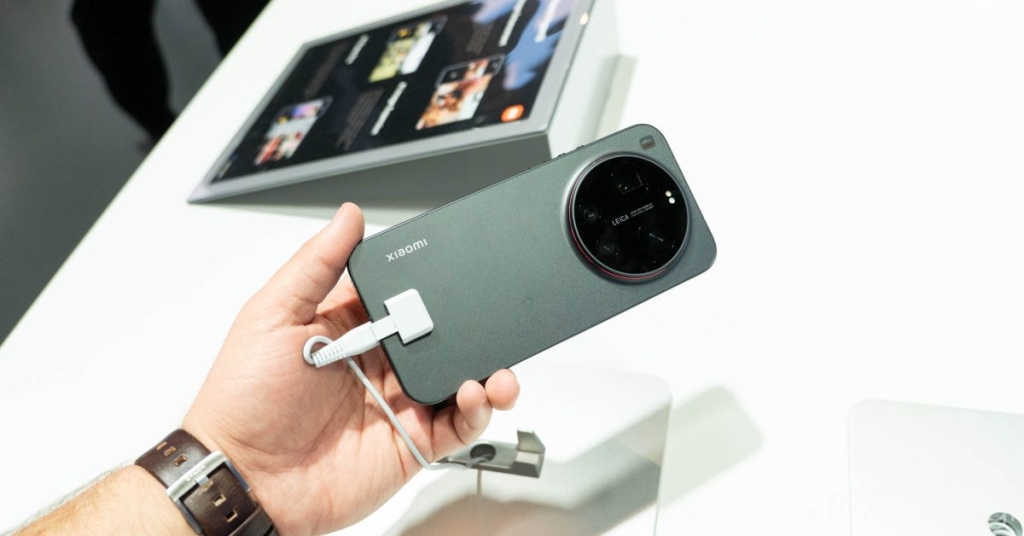
Xiaomi Accelerates In-House Chip Ambitions: New XRing SoC Planned Annually, Global Expansion on the Horizon
In a bold move that mirrors Google’s strategy with its Tensor chipsets, Xiaomi has officially confirmed it will launch a new version of its in-house XRing smartphone processor every year. The revelation came directly from Xiaomi executives during interviews at Mobile World Congress 2026, signaling the Chinese tech giant’s serious commitment to vertical integration and reducing reliance on third-party chip suppliers like Qualcomm.
The XRing chipset family made its debut last year with the XRing 01, powering the Xiaomi 15S Pro and Xiaomi Pad 7 Ultra. Built on an advanced 3nm process node by TSMC, the chip represents Xiaomi’s first major step into designing custom silicon for its flagship devices. Now, with annual refresh cycles confirmed, Xiaomi is positioning itself to compete more directly with Apple’s A-series chips, Google’s Tensor lineup, and Samsung’s Exynos processors.
Strategic Parallels with Google’s Tensor Approach
Industry analysts have noted the striking similarity between Xiaomi’s roadmap and Google’s successful Tensor strategy. Just as Google uses custom silicon to optimize Android experiences specifically for Pixel devices, Xiaomi appears to be following the same playbook—creating chips tailored to its hardware-software ecosystem.
“Annual XRing releases make perfect sense from a competitive standpoint,” explains mobile industry analyst Maria Chen. “It allows Xiaomi to differentiate its flagship offerings while maintaining tighter control over performance, power efficiency, and feature integration.”
The timing is particularly interesting given that Xiaomi’s current flagship Xiaomi 17 series, which launched globally in February 2026, continues to rely on Qualcomm’s Snapdragon processors. This suggests Xiaomi is taking a measured approach, gradually transitioning to in-house silicon while maintaining relationships with established partners.
Global Ambitions Beyond China
One of the most significant revelations from the MWC interviews was Xiaomi’s intention to deploy XRing chipsets in international markets, not just in its domestic Chinese market where the Xiaomi 15S Pro was exclusively available. This global expansion strategy could fundamentally alter Xiaomi’s competitive positioning in Western markets.
The company’s commitment to international markets extends beyond just chipsets. Xiaomi also announced plans to expand its Xiao AI assistant beyond China, with Google’s Gemini models powering the AI’s capabilities in new territories. This partnership with Google for AI infrastructure, while simultaneously developing competing silicon, demonstrates Xiaomi’s pragmatic approach to technology partnerships.
Technical Evolution and Future Prospects
While specific details about next-generation XRing chips remain under wraps, the annual cadence strongly suggests incremental improvements in performance, power efficiency, and feature integration. Industry speculation points to potential advancements in:
– Process node progression (possibly moving to 2nm or enhanced 3nm technologies)
– Integrated AI accelerators for on-device machine learning
– Advanced camera processing capabilities
– 5G modem integration and connectivity improvements
– Enhanced security features and biometric processing
The move toward in-house silicon could also help Xiaomi better navigate global semiconductor supply chain challenges, providing more control over production schedules and potentially reducing costs over time.
Market Impact and Competitive Dynamics
Xiaomi’s chip strategy arrives at a crucial moment for the global smartphone market. With economic uncertainties affecting consumer spending and intense competition in the Android ecosystem, having proprietary silicon could provide Xiaomi with a significant differentiator.
The approach also positions Xiaomi to better compete with Apple’s vertically integrated model, where custom silicon plays a crucial role in the overall user experience. For Android manufacturers, Xiaomi’s success with XRing could inspire similar moves from other major players like Oppo, Vivo, and potentially even Samsung reconsidering its Exynos strategy in certain markets.
Challenges and Considerations
Despite the ambitious roadmap, Xiaomi faces several challenges in its chip development journey:
Manufacturing capacity constraints at TSMC could limit production scalability
Software optimization requires significant engineering resources
Global regulatory considerations for chips used in different markets
Competition from established players with deeper semiconductor expertise
However, Xiaomi’s track record of rapid execution in other product categories suggests the company is well-positioned to tackle these challenges head-on.
Looking Ahead: The XRing Ecosystem
As Xiaomi prepares for its first global XRing-powered devices, industry watchers are already speculating about the broader ecosystem implications. Could future XRing chips power smart home devices, IoT products, or even Xiaomi’s expanding electric vehicle lineup? The company’s vertical integration strategy suggests such cross-category silicon applications aren’t out of the question.
The annual XRing cadence also raises questions about how Xiaomi will balance innovation across its diverse product portfolio. Will certain device categories receive priority for the latest chip technology? How will Xiaomi price devices featuring in-house silicon compared to those using third-party processors?
Conclusion: A Defining Moment for Xiaomi
Xiaomi’s confirmation of annual XRing chipset releases represents more than just a technical roadmap—it’s a strategic declaration of the company’s ambitions to compete at the highest levels of mobile technology. By following a path similar to Google’s successful Tensor strategy while maintaining global aspirations, Xiaomi is positioning itself for the next phase of smartphone evolution.
As the mobile industry continues to evolve toward more AI-driven, personalized experiences, the importance of custom silicon will only grow. Xiaomi’s bet on annual XRing updates suggests the company understands this fundamental shift and is preparing to lead rather than follow in the race for mobile computing supremacy.
The coming years will reveal whether Xiaomi’s silicon strategy pays dividends in market share, user experience differentiation, and technological leadership. For now, the tech world will be watching closely as the first global XRing-powered Xiaomi devices begin to emerge, potentially reshaping the Android flagship landscape.
#Xiaomi #XRing #SmartphoneChips #MobileWorldCongress #InHouseSilicon #TechStrategy #Android #MobileTech #ChipDesign #GlobalExpansion
“Xiaomi’s silicon strategy could redefine Android flagship competition”
“Annual XRing chipsets signal Xiaomi’s Google-like ambitions”
“Custom silicon gives Xiaomi control over its technological destiny”
“The XRing roadmap mirrors Pixel’s successful Tensor approach”
“Xiaomi bets big on vertical integration for global markets”
“Custom chips could be Xiaomi’s secret weapon against Apple and Samsung”
“The future of Android might be powered by XRing processors”
“MWC 2026 reveals Xiaomi’s master plan for technological independence”
“XRing represents Xiaomi’s answer to Apple’s A-series dominance”
“Annual chip updates could transform Xiaomi’s competitive positioning”
“Xiaomi’s silicon ambitions extend far beyond smartphones”
“The XRing strategy could inspire other Android manufacturers”
“Custom processors might be the key to Xiaomi’s global expansion”
“Google’s Gemini partnership shows Xiaomi’s pragmatic tech approach”
“The semiconductor race just got more interesting with XRing”
“Xiaomi’s vertical integration could reshape mobile economics”
“Annual silicon refreshes might become the new Android standard”
“XRing chips could power Xiaomi’s entire smart ecosystem”
“The chip wars are intensifying in the Android camp”
“Xiaomi’s silicon bet could determine its next growth phase”,
Leave a Reply
Want to join the discussion?Feel free to contribute!