
You Don’t Make 200 Food Decisions a Day, Scientists Say
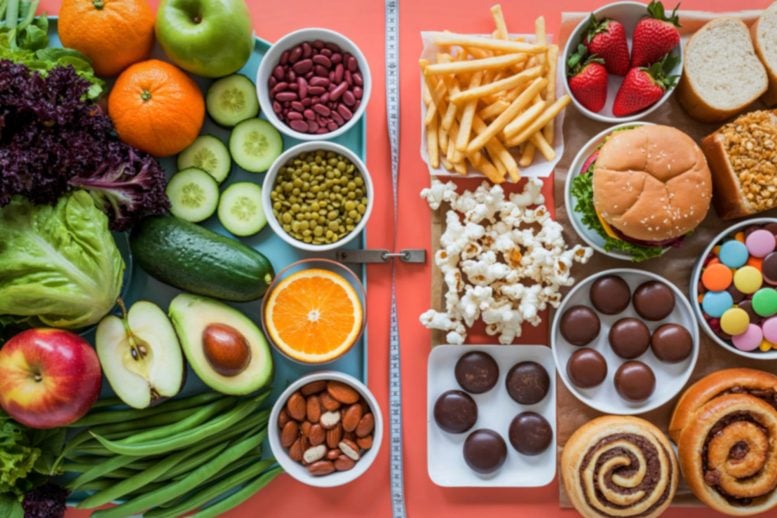
You Don’t Make 200 Food Decisions a Day, Scientists Say
A widely circulated statistic claims that the average person makes more than 200 food-related decisions every single day. This figure has been repeated in health blogs, wellness articles, and even scientific literature, often cited as evidence of the hidden complexity of our eating habits. But new research is casting doubt on this number, suggesting that the 200-decision claim is not a revelation of our unconscious choices, but rather a misleading statistic that has taken on a life of its own.
The idea that we are constantly making unconscious food decisions is both intriguing and alarming. It implies that our eating habits are largely automatic, driven by subtle cues and environmental triggers that we barely notice. This narrative has been used to explain everything from overeating to poor dietary choices, and it has shaped public health campaigns and personal wellness strategies. But how solid is the evidence behind this claim?
The original source of the 200-decision figure traces back to a 2007 study published in Environment and Behavior. Researchers asked participants to estimate how many food-related decisions they made in a single day. The average response was around 200, but there was significant variability—some participants reported as few as 15 decisions, while others claimed over 1,000. The wide range raised questions about the reliability of self-reported data, especially when people are asked to recall and quantify unconscious behaviors.
Critics argue that the study’s methodology was flawed. Asking people to estimate the number of food decisions they make is inherently subjective. Most of our food choices are habitual and automatic, meaning we’re not consciously aware of making them. As a result, people may either underestimate or overestimate their true decision count, depending on how they interpret the question or what they consider a “decision.”
Subsequent research has attempted to replicate the 200-decision finding, but with mixed results. Some studies using more rigorous methods—such as direct observation or detailed food diaries—have found much lower numbers. For example, a 2018 study published in Appetite tracked participants’ eating behaviors over several days and found that the average number of food-related decisions was closer to 15-20 per day, not 200. This discrepancy suggests that the original statistic may have been an outlier or the result of methodological issues.
So why has the 200-decision figure persisted, despite the lack of robust evidence? Part of the answer lies in the power of storytelling. A number like 200 is memorable and dramatic, making it an effective hook for articles, books, and social media posts. It also fits neatly into narratives about the hidden forces shaping our behavior, which are inherently compelling to readers.
But the persistence of this statistic has real-world consequences. Health professionals and policymakers have used it to justify interventions aimed at “nudging” people toward healthier choices, such as redesigning cafeteria layouts or changing food packaging. If the underlying number is inaccurate, these interventions may be based on a flawed understanding of human behavior.
The truth is, our food choices are influenced by a complex interplay of factors—habits, environment, culture, and individual preferences. While it’s true that many of our decisions are automatic, the idea that we’re making hundreds of them every day is probably an exaggeration. Recognizing this can help us approach health advice with a more critical eye and focus on evidence-based strategies for improving our diets.
As scientists continue to investigate the psychology of eating, it’s important to question widely accepted claims and demand transparency about the evidence behind them. The 200-decision statistic may be catchy, but it’s time to retire it in favor of more accurate and nuanced understandings of how we make food choices.
Tags and Viral Phrases:
- You don’t make 200 food decisions a day, scientists say
- The shocking truth about your daily food choices
- Debunking the 200-decision myth
- How many food decisions do you really make?
- The hidden psychology of eating
- Why the 200-decision claim is misleading
- Food choices: habit vs. decision
- The science behind your eating habits
- Are you really making 200 food decisions a day?
- The truth about unconscious eating
- Food psychology: what’s really driving your choices?
- The myth of the 200 daily food decisions
- How to make smarter food choices
- The real number of food decisions you make
- Why the 200-decision statistic went viral
- The science of mindless eating
- Are food decisions really automatic?
- The surprising truth about your eating habits
- How to take control of your food choices
- The psychology of food: what you need to know
,


Leave a Reply
Want to join the discussion?Feel free to contribute!