
You might want to double-check before buying laptops from this Chinese brand
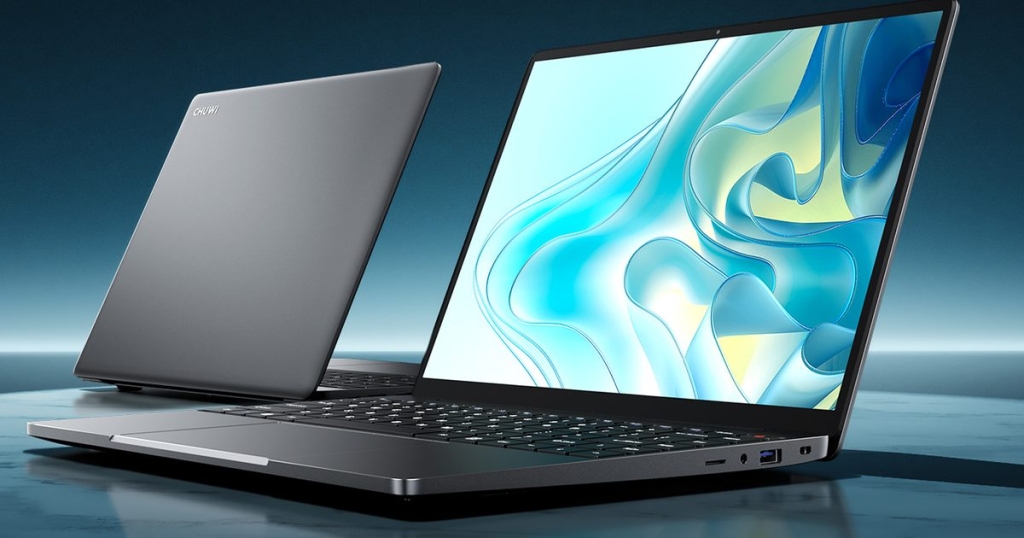
In a shocking twist that’s sending ripples through the tech world, independent testing has uncovered what appears to be a serious CPU mislabeling scandal involving Chuwi laptops. According to a detailed investigation by Notebookcheck, the Chuwi CoreBook Plus—which is marketed as running the AMD Ryzen 5 7430U, a newer Zen 3 processor launched in 2023—actually shipped with the older Ryzen 5 5500U chip, a Zen 2 processor from 2021.
What makes this discovery especially troubling is that the laptop’s packaging, product listings, BIOS, and even Windows system tools all report the CPU as a Ryzen 5 7430U, making it nearly impossible for buyers to detect the discrepancy without physically opening the device. This isn’t just a one-off mistake—Notebookcheck had previously found the same issue with the Chuwi CoreBook X, another model advertised with the 7430U but reportedly shipping with the 5500U instead.
The performance difference between these chips is notable. While both are capable processors, the 7430U offers a higher boost clock and double the L3 cache (16MB vs 8MB), which can translate to better performance in certain workloads. In essence, buyers may believe they’re getting a newer, faster chip typically found in laptops priced €100–€200 higher, making the system appear like a better bargain than it actually is.
This kind of discrepancy raises serious questions about transparency and ethics in the budget laptop market. If confirmed, it could mean that some consumers have unknowingly purchased hardware that doesn’t match what was advertised—a potential violation of consumer trust and possibly even trade regulations.
Chuwi has responded by stating it is investigating the matter internally, but Notebookcheck reports that the company also repeatedly asked the publication to remove its earlier reports, even threatening legal action for alleged reputational damage. This pushback only fueled further scrutiny, leading to the deeper investigation that uncovered the CoreBook Plus issue.
For now, the situation remains unresolved, but it serves as a stark reminder for consumers: always verify specs when possible, especially if a deal seems too good to be true. In the world of tech, appearances—and labels—can be deceiving.
Tags: CPU scandal, Chuwi laptops, AMD Ryzen 5 7430U, Ryzen 5 5500U, CPU mislabeling, tech fraud, budget laptops, hardware deception, Notebookcheck investigation, consumer alert, tech controversy, Zen 3 vs Zen 2, performance mismatch, legal threats, tech transparency
Viral Sentences:
- “Chuwi laptops caught in shocking CPU swap scandal—are you affected?”
- “The CPU you bought isn’t the CPU you got—Chuwi under fire for alleged fraud.”
- “Notebookcheck uncovers massive mislabeling: Ryzen 7430U replaced with older 5500U.”
- “Budget laptop buyers beware: your ‘new’ chip might be last-gen tech in disguise.”
- “Chuwi threatens legal action as CPU controversy deepens—what are they hiding?”
- “Two Chuwi models, same CPU swap—coincidence or coordinated deception?”
- “Tech transparency at risk: when your laptop lies about its own specs.”
- “This isn’t a typo—it’s a potential fraud that could cost you performance and trust.”
- “The devil’s in the details: why you should always verify your laptop’s real CPU.”
- “From packaging to BIOS, everything says 7430U—except the chip inside.”
,


Leave a Reply
Want to join the discussion?Feel free to contribute!