
Your AI might run in orbit if SpaceX gets its satellite plan approved
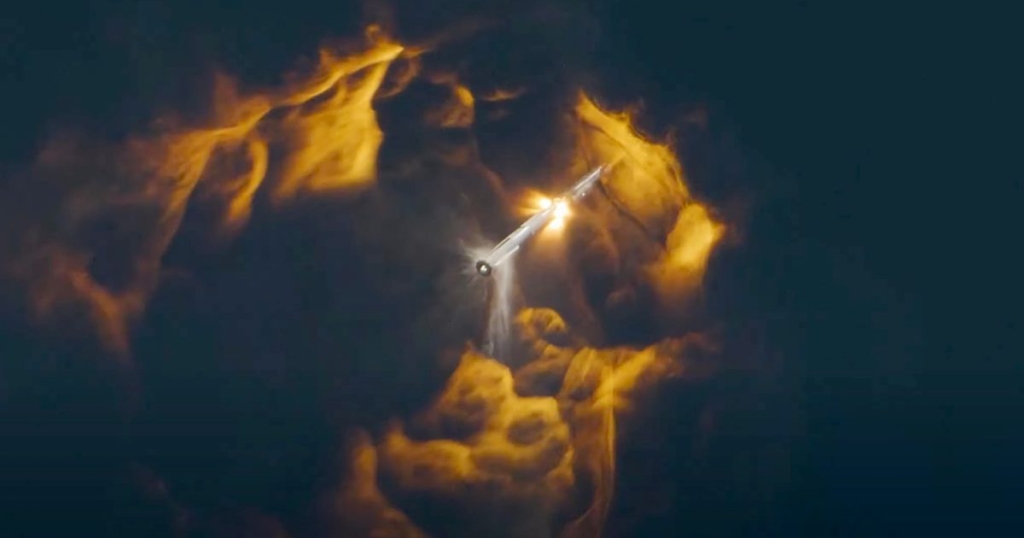
SpaceX has officially acquired xAI, merging two of Elon Musk’s most ambitious ventures into a single powerhouse aimed at redefining the future of artificial intelligence—this time, from space. The move is not just another corporate reshuffle; it’s a bold leap into uncharted territory where orbital data centers could soon become the backbone of the AI revolution.
Musk’s vision is clear: Earth-based data centers are hitting their limits. They consume enormous amounts of electricity, require massive cooling systems, and are constrained by physical space and infrastructure. In contrast, space offers unlimited solar energy, vast room for expansion, and a naturally cooler environment—perfect for high-performance computing. According to Musk, the cheapest way to generate AI compute will be in orbit within the next two to three years.
This isn’t just talk. SpaceX has already filed a request with the Federal Communications Commission (FCC) to launch a constellation of one million satellites. But these aren’t your average communications satellites. The filing describes a network of solar-powered data centers designed to handle the explosive growth in AI-driven data demand. If approved, this could mark the beginning of a new era where data is processed in space, reducing latency, energy costs, and environmental impact on Earth.
The merger makes strategic sense. xAI, Musk’s AI company, now has direct access to SpaceX’s launch capabilities, engineering expertise, and infrastructure. This vertical integration could accelerate the development and deployment of space-based AI systems, giving Musk’s ventures a significant edge over competitors still tethered to terrestrial data centers.
The timing is no coincidence. AI’s insatiable appetite for compute is driving a surge in infrastructure spending. Companies like Microsoft and Meta are pouring billions into data centers, with Microsoft reporting $37.5 billion in capital expenditures in the last quarter of 2025 alone. Goldman Sachs predicts that data center power demand will rise sharply by 2030, and some U.S. residents are already seeing higher electricity bills, especially near data center hubs.
By moving compute to space, Musk aims to sidestep these growing pains. Solar power in orbit is abundant and constant, and the vacuum of space provides natural cooling—two major cost drivers for Earth-based facilities. If successful, this could dramatically lower the cost of AI compute, making advanced AI more accessible and sustainable.
Of course, the road ahead is fraught with challenges. Regulatory approval for the satellite constellation is the first major hurdle. The FCC will need to assess the environmental, technical, and geopolitical implications of deploying a million satellites. Then comes the operational challenge: building, launching, and maintaining such a vast network in orbit is a monumental engineering feat.
There’s also the human factor. Integrating xAI’s team with SpaceX’s culture could prove tricky, especially given reports of differing working styles. But if anyone can pull off such a complex merger, it’s Musk, whose track record includes revolutionizing electric vehicles, private spaceflight, and now, potentially, AI infrastructure.
An IPO for SpaceX is also on the horizon, with the company reportedly valued at around $1.5 trillion. The merger with xAI could make the pitch even more compelling to investors, positioning SpaceX not just as a launch provider, but as a leader in the next generation of AI infrastructure.
As the lines between AI, space, and energy continue to blur, Musk’s latest move could be the catalyst for a paradigm shift. If orbital data centers become a reality, the implications are staggering: faster AI, lower energy costs, reduced environmental impact, and a new frontier for technological innovation.
The next few years will be critical. Watch for regulatory decisions, technical milestones, and the first signs of operational deployment. One thing is certain: the race to build the future of AI is no longer confined to Earth.
Tags & Viral Phrases:
Elon Musk SpaceX xAI acquisition
Space-based AI data centers
Orbital compute revolution
FCC satellite constellation approval
Solar-powered AI infrastructure
AI compute in space within 2-3 years
$1.5 trillion SpaceX valuation
Microsoft Meta AI spending surge
Goldman Sachs data center power forecast
Next-gen AI infrastructure
Space race for AI dominance
Musk’s vertical integration play
Future of AI is in orbit
Regulatory hurdles for mega-constellations
Engineering the future from space
AI sustainability breakthrough
Billionaire tech convergence
The sky is not the limit anymore
,


Leave a Reply
Want to join the discussion?Feel free to contribute!