
Your Dog or Cat Might Be Spreading an Invasive Flatworm
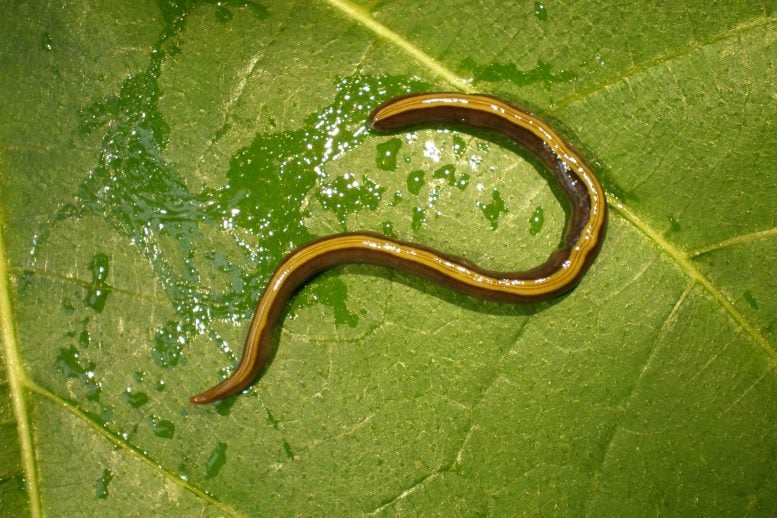
A surprising new study reveals that dogs and cats may be helping an invasive flatworm spread. A new study published today (February 10) in the journal PeerJ has uncovered an unexpected way an invasive flatworm is spreading across France. The research was led by a scientist from the Institute of Systematics, Evolution and Biodiversity (ISYEB) at the Muséum national d’Histoire naturelle in Paris.
The flatworm in question is Caenoplana variegata, a predatory species native to Australia that has become an invasive species in several parts of the world. Known for its voracious appetite, this flatworm preys on earthworms, snails, and other soil-dwelling invertebrates, potentially disrupting local ecosystems. What makes this discovery particularly intriguing is the role that domestic pets are playing in its dispersal.
The study, conducted by a team of researchers, found that dogs and cats are inadvertently transporting these flatworms across different areas. The flatworms, which are often found in soil and leaf litter, can attach themselves to the fur of pets or be carried in their paws. When pets move between gardens, parks, or other outdoor spaces, they may be unknowingly spreading the flatworms to new locations.
This finding challenges previous assumptions about how invasive species spread. While human activity, such as the movement of soil or plants, has long been recognized as a primary vector for invasive species, the role of pets in this process has been largely overlooked. The study highlights the need for greater awareness of how everyday activities, including pet ownership, can contribute to the spread of invasive species.
The implications of this discovery are significant. Caenoplana variegata has already been documented in several regions of France, and its spread could have far-reaching consequences for local biodiversity. Earthworms, for example, play a crucial role in soil health and nutrient cycling. A decline in earthworm populations due to predation by the flatworm could disrupt soil ecosystems and impact plant growth.
The researchers emphasize the importance of monitoring and managing the spread of invasive species. They suggest that pet owners can play a role in mitigating the spread of flatworms by regularly checking their pets for any attached organisms and cleaning their paws after walks. Additionally, they recommend avoiding the movement of soil or plants from areas where the flatworm is known to be present.
This study also underscores the interconnectedness of ecosystems and the unexpected ways in which human activities can influence them. As pets are an integral part of many households, their role in the spread of invasive species is a reminder of the need for responsible pet ownership and environmental stewardship.
The research team plans to continue their investigations to better understand the distribution and impact of Caenoplana variegata in France. They hope that their findings will inform future conservation efforts and help prevent the further spread of this invasive flatworm.
In conclusion, this study sheds light on a previously unrecognized pathway for the spread of invasive species and highlights the complex interactions between domestic animals, ecosystems, and human activities. As the world becomes increasingly interconnected, it is crucial to consider all potential vectors of invasive species and take proactive measures to protect biodiversity.
Tags: invasive flatworm, Caenoplana variegata, pets spreading invasive species, dogs and cats, biodiversity, ecosystem disruption, soil health, earthworm predation, environmental stewardship, responsible pet ownership, France, invasive species management, Muséum national d’Histoire naturelle, PeerJ study, interconnected ecosystems, soil-dwelling invertebrates, conservation efforts, human activity impact, unexpected ecological interactions, environmental awareness, biodiversity protection, soil ecosystems, nutrient cycling, predatory species, Australia native species, global invasive species, ecological balance, pet hygiene, environmental monitoring, ecosystem health, scientific discovery, ecological research, invasive species prevention, domestic animals role, ecological consequences, environmental science, species dispersal, ecological impact, soil organisms, invasive species spread, ecological awareness, pet-related environmental impact, ecosystem preservation, ecological studies, environmental responsibility, invasive species control, ecological balance disruption, scientific research, environmental conservation, ecological interconnectedness, biodiversity conservation, ecological management, environmental protection, ecological dynamics, invasive species ecology, ecological studies, environmental impact, ecological research findings, biodiversity threats, ecological interactions, environmental challenges, ecological solutions, invasive species ecology, ecological awareness, environmental stewardship, ecological preservation, biodiversity protection efforts, ecological research insights, environmental science discoveries, ecological balance maintenance, invasive species management strategies, ecological impact assessment, environmental conservation strategies, ecological research advancements, biodiversity conservation efforts, ecological awareness initiatives, environmental protection measures, ecological research contributions, biodiversity preservation strategies, ecological impact studies, environmental science advancements, ecological research developments, biodiversity conservation strategies, ecological awareness campaigns, environmental protection initiatives, ecological research findings, biodiversity preservation efforts, ecological impact assessments, environmental science insights, ecological research contributions, biodiversity conservation initiatives, ecological awareness programs, environmental protection strategies, ecological research advancements, biodiversity preservation efforts, ecological impact studies, environmental science discoveries, ecological research developments, biodiversity conservation strategies, ecological awareness campaigns, environmental protection initiatives, ecological research findings, biodiversity preservation efforts, ecological impact assessments, environmental science insights, ecological research contributions, biodiversity conservation initiatives, ecological awareness programs, environmental protection strategies.,


Leave a Reply
Want to join the discussion?Feel free to contribute!