
Your medical history is coming to Fitbit whether you’re ready or not
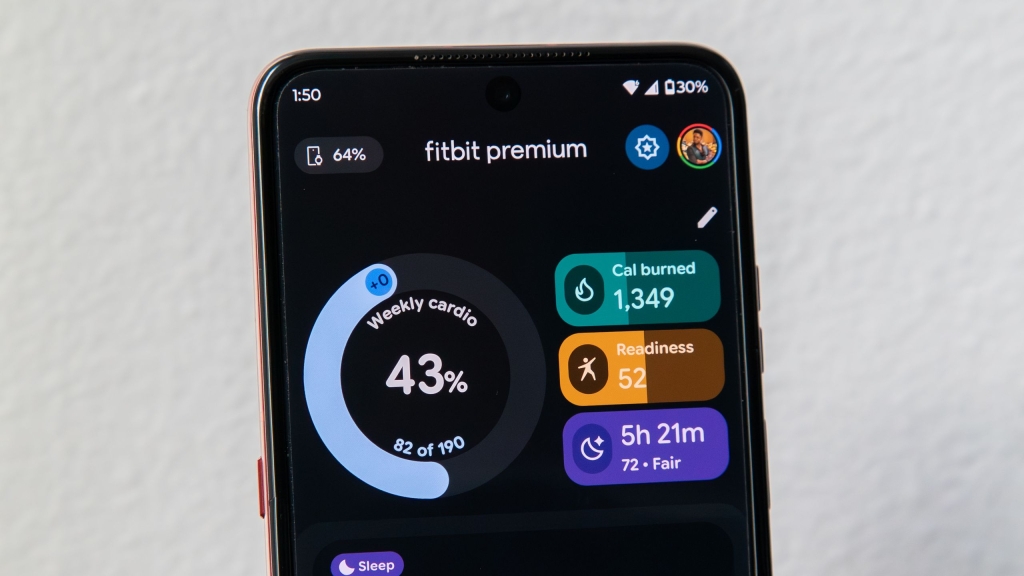
Google’s Fitbit Gets a Major Upgrade: Smarter Sleep Tracking and Medical Records Integration
Google is rolling out significant enhancements to Fitbit’s Personal Health Coach, aiming to make its wearable devices far more than just step counters. At the company’s annual The Check Up health event, Google unveiled two major updates that could transform how millions of users understand their sleep and manage their health data.
Sleep Tracking That Finally Gets It Right
If you’ve ever felt frustrated when your fitness tracker congratulated you for “sleeping” eight hours while you were actually lying awake scrolling through social media, Google has heard your complaints. The tech giant announced that Fitbit’s sleep tracking algorithms have become 15% more accurate at detecting sleep stages for Public Preview users.
This improvement comes from rigorous testing against clinical gold-standard measurements on both Pixel and Fitbit devices. The enhanced algorithms can now distinguish between lying in bed awake and actual sleep, making them far more reliable for understanding your true rest patterns.
What does this mean in practical terms? Your device will now better detect those 3 AM wake-ups that disrupt your sleep cycle, track weekend naps more accurately, and provide more precise measurements of transitions between light, deep, and REM sleep stages. Soon, this will be integrated into a new Sleep Score system that considers not just how many hours you slept, but also how long it took you to fall asleep in the first place.
Your Medical Records Are Coming to Fitbit
Perhaps the most significant—and potentially controversial—update is the integration of medical records directly into the Fitbit app. Starting next month, U.S. users in the Public Preview will be able to link lab results, medication lists, and visit history to their Fitbit profiles.
Google partnered with b. well, an AI health data platform, and CLEAR, the identity verification company, to make this possible. Users can search for their healthcare provider and link their patient portal, or use CLEAR’s selfie verification to let Google automatically find and import relevant records.
The implications are substantial. Once your medical history is linked, the Personal Health Coach can provide truly personalized guidance. Instead of generic advice like “eat more vegetables,” the Coach can analyze your actual lab results, identify concerning trends, and offer wellness recommendations based on your complete health picture—combining wearable data with your medical history.
Glucose Tracking Joins the Mix
Adding to these capabilities, Fitbit users will soon be able to connect continuous glucose monitors (CGMs) through Health Connect. This integration allows you to see how daily activities and dietary choices affect your glucose levels. Wonder if that afternoon workout actually helped stabilize your blood sugar, or how that slice of pepperoni pizza impacted your levels? The data will be right there in your Fitbit app.
Google’s Broader Health Research Initiatives
These consumer-facing updates are part of Google’s larger investment in health technology. The company highlighted a recent study on predicting insulin resistance published in Nature and ongoing work on hypertension detection. There’s also a new “Get care now” Fitbit Lab study with Included Health exploring how AI can enhance virtual doctor visits.
Privacy Concerns and Expert Caution
Uploading your medical history to a fitness app understandably raises privacy concerns. Fitbit emphasizes that your records are securely stored, you maintain control over who can access them, and you can delete the data at any time. The company also states that this information won’t be used for advertising purposes.
However, experts advise caution. While the Coach can suggest lifestyle changes like eating more oats, it cannot diagnose conditions or provide medical treatment. Users should never make medication changes based solely on AI recommendations.
The Bottom Line
These updates represent a significant step forward in making wearable technology genuinely useful for health management. The improved sleep tracking addresses a long-standing complaint about fitness devices being too easily fooled by inactivity. The medical records integration could provide unprecedented context for personalized health coaching.
Yet questions remain about data privacy and the limitations of AI health guidance. As one analyst noted, we’re essentially paying for Fitbit Premium to give our most sensitive health data to the same company that built its empire on targeted advertising.
Whether these enhancements represent genuine progress in personal health management or another step toward comprehensive digital health surveillance likely depends on your perspective—and perhaps how well you actually sleep at night.
Tags: Fitbit, Google, sleep tracking, health AI, medical records, wearable technology, Personal Health Coach, Gemini AI, glucose monitoring, privacy concerns, health data, b. well, CLEAR, Health Connect, The Check Up
Viral Phrases:
- “Finally, your tracker knows you weren’t really asleep at 2 AM”
- “Your fitness tracker is about to get way too personal”
- “Google wants to be your doctor’s new best friend”
- “The AI that knows your cholesterol before your doctor does”
- “Sleep tracking that actually tracks sleep, not just stillness”
- “Your medical records are getting a Fitbit makeover”
- “The future of health is here, and it’s watching you sleep”
- “When your watch knows more about your health than your mom”
- “AI health coach: helpful assistant or creepy stalker?”
- “Google’s latest invasion? Your medical history”
- “Sleep better, live better, share everything with Google”
- “The quantified self just got quantified medically”
- “Your next doctor might be an algorithm in a fitness band”
- “Privacy concerns? What privacy concerns?”
- “The watch that knows you’re lying about your sleep”
,


Leave a Reply
Want to join the discussion?Feel free to contribute!