
Your next laptop may cost more as PC makers like ASUS and HP brace for price hikes
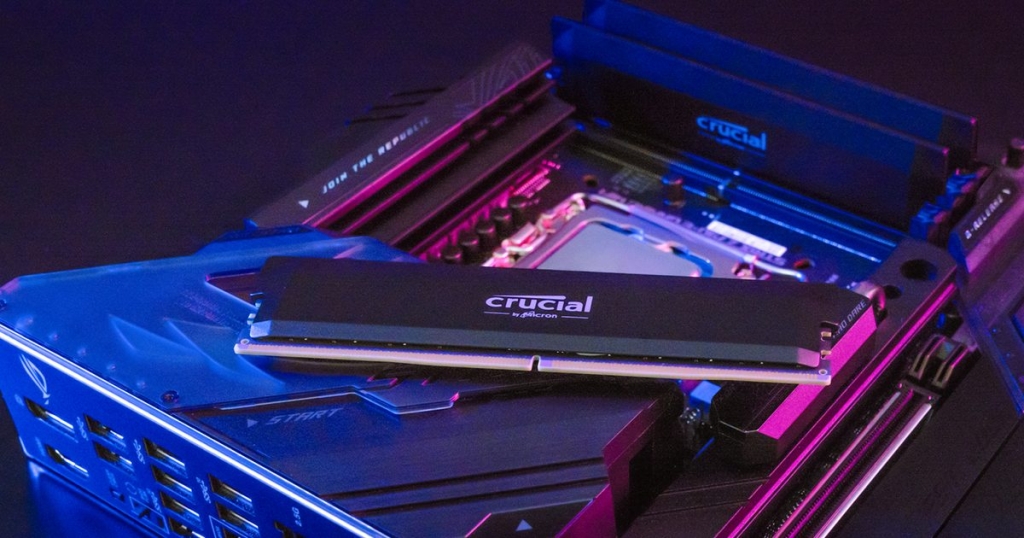
The global PC industry is bracing for a major shakeup as a crippling memory chip shortage sends component prices soaring, forcing major manufacturers like HP, Dell, ASUS, and even Apple to hike prices on their latest devices. This shortage, driven by the explosive demand for artificial intelligence infrastructure, is squeezing the consumer tech market and could lead to higher prices and reduced demand for laptops and PCs in the coming months.
The Root of the Crisis: AI’s Insatiable Appetite for Memory
At the heart of the crisis is the skyrocketing demand for high-bandwidth memory (HBM), a specialized type of memory chip critical for AI servers and data centers. Industry giants like Samsung, SK Hynix, and Micron have redirected significant manufacturing capacity toward producing HBM to meet the needs of AI giants like NVIDIA and Google. This shift has left less room for traditional DRAM and NAND chips, which are essential for consumer electronics like laptops, smartphones, and tablets.
The result? A supply crunch that’s driving up the cost of memory chips, which in turn is pushing up the prices of finished devices. Memory is a critical component of modern PCs, and the shortage is hitting manufacturers hard, forcing them to pass on the increased costs to consumers.
Price Hikes Are Already Here
The impact of the shortage is already being felt in the market. Apple, for instance, has raised prices on its latest MacBook Pro models. The new MacBook Pro with the M5 Pro chip now starts $200 higher than its predecessor, while the M5 Max variant has seen a $400 price hike. Other major brands like HP, Dell, and ASUS are also expected to follow suit, with some already implementing price increases on select models.
This trend is likely to continue as the shortage persists, with analysts predicting that PC prices could remain elevated well into 2026 and possibly 2027. For consumers, this means that upgrading to a new laptop or PC could become significantly more expensive in the near future.
The Ripple Effect: Slower Demand and Market Contraction
The rising prices are not just a headache for consumers—they’re also a concern for manufacturers. Companies worry that households may delay upgrading their computers if prices climb too quickly, leading to a slowdown in demand. Omdia, a leading market research firm, forecasts that the laptop market could shrink by up to 12.5% this year as a result of the price hikes.
This potential contraction in demand could have far-reaching consequences for the industry, from reduced sales and profits to potential layoffs and restructuring. For smaller manufacturers, the pressure could be even more intense, as they may struggle to compete with larger players who have more resources to weather the storm.
What’s Next? A Long Road to Recovery
While some companies are exploring alternative sources for memory chips, such as Chinese manufacturers, the shortage is expected to persist for the foreseeable future. Industry leaders have warned that the pressure on PC prices will continue well into 2026 and possibly 2027, as the demand for AI infrastructure shows no signs of slowing down.
For consumers, this means that patience may be the best strategy. Waiting for prices to stabilize could save you hundreds of dollars on your next PC purchase. For manufacturers, the focus will likely be on optimizing production processes, diversifying supply chains, and exploring new technologies to mitigate the impact of the shortage.
Conclusion: A Perfect Storm for the PC Industry
The global memory chip shortage is a perfect storm for the PC industry, driven by the insatiable demand for AI infrastructure and exacerbated by supply chain disruptions. As major brands like HP, Dell, ASUS, and Apple raise prices to offset rising component costs, consumers are left facing higher prices and potentially slower upgrades.
While the industry works to navigate this challenging period, the long-term impact on the PC market remains uncertain. One thing is clear: the shortage is a wake-up call for the tech industry, highlighting the need for greater resilience and adaptability in the face of rapidly evolving demand and supply dynamics.
Tags: #MemoryChipShortage #PCIndustry #TechPrices #AIInfrastructure #DRAM #NAND #LaptopPrices #Apple #HP #Dell #ASUS #TechNews #ConsumerElectronics #SupplyChainCrisis #MarketTrends #TechInflation
Viral Phrases: “AI is eating the memory supply,” “Your next laptop just got more expensive,” “The memory shortage is here to stay,” “Tech giants pass the buck to consumers,” “12.5% market contraction looming,” “Patience is the new upgrade strategy,” “The perfect storm for PC prices,” “Memory crunch: The hidden cost of AI,” “2026 and beyond: The new normal for tech pricing.”
,


Leave a Reply
Want to join the discussion?Feel free to contribute!