
Your Off-Brand GLP-1 Is Dirtier Than You Think
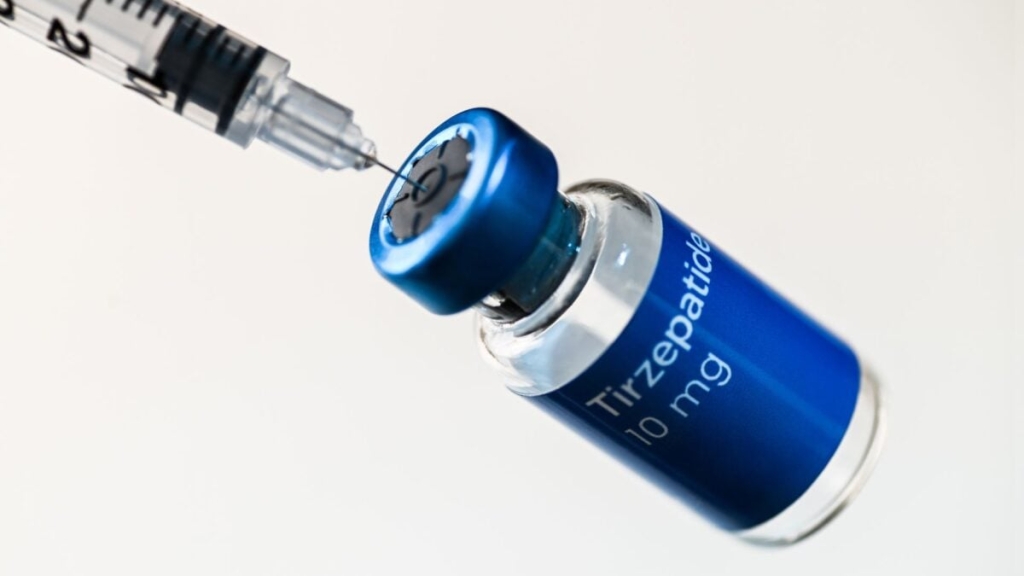
BREAKING: Eli Lilly Warns of “Dangerous” Impurities Found in Compounded GLP-1 Drugs
A shocking revelation from pharmaceutical giant Eli Lilly has sent shockwaves through the weight loss drug market, as the company warns that compounded versions of its blockbuster drug tirzepatide may contain “significant levels of an impurity” that could pose serious health risks to consumers.
The Discovery That’s Shaking the Industry
In a bombshell announcement Thursday, Eli Lilly revealed that independent testing of compounded tirzepatide products—particularly those mixed with vitamin B12—revealed concerning chemical byproducts that may have formed through reactions between ingredients. The company claims these impurities were found at “significant levels” in products distributed by compounding pharmacies, telehealth companies, and medspas across the country.
“People receiving tirzepatide-B12 products from compounders, telehealth companies, medspas, or anyone else should be aware that they may be using a potentially dangerous product with unknown risks,” the company stated in an open letter to the public.
The Compounded GLP-1 Gold Rush
For months, Americans desperate for affordable weight loss solutions have flocked to compounding pharmacies offering customized versions of popular GLP-1 medications like Mounjaro and Wegovy. These compounded drugs have been marketed as revolutionary alternatives—often combining tirzepatide with vitamins like B12, glycine, pyridoxine, niacinamide, and carnitine.
The appeal was obvious: while brand-name medications like Wegovy can cost around $1,400 per month without insurance, compounded versions have been available for a fraction of the price. Telehealth companies and online pharmacies have aggressively marketed these products as superior alternatives, claiming enhanced benefits through vitamin combinations.
FDA’s Growing Concerns
This latest warning from Eli Lilly comes as the FDA has been sounding alarms about compounded GLP-1 drugs for months. The agency has collected numerous reports of quality issues, including inadequate refrigeration, poor-quality ingredients, and products labeled as coming from non-existent pharmacies.
The FDA notes that adverse events linked to compounded GLP-1s include redness, site swelling, pain, and red lumps at injection sites—symptoms that could indicate more serious underlying problems.
Legal Battles Heating Up
Both Eli Lilly and Novo Nordisk (makers of semaglutide) have launched aggressive legal campaigns against compounding pharmacies and distributors they accuse of illegally manufacturing and marketing copycat versions of their drugs. Multiple lawsuits are currently winding through the courts, with companies seeking to shut down what they characterize as a black market for their intellectual property.
The Science Behind the Warning
Eli Lilly’s testing suggests that the combination of tirzepatide with vitamin B12 may create chemical reactions that produce unknown byproducts. While the company hasn’t specified the exact nature of these impurities, they emphasize that the presence of any unexpected chemical compounds in a medication designed for human consumption is cause for serious concern.
“This isn’t just about protecting our patents—it’s about patient safety,” said a company spokesperson. “When you start mixing FDA-approved drugs with other substances in unregulated environments, you’re essentially conducting chemistry experiments on human patients.”
Market Impact and What’s Next
The compounded GLP-1 market may be approaching a critical juncture. Earlier this week, telehealth company Hims announced it would stop marketing compounded GLP-1 drugs as part of a truce with Novo Nordisk—a move that could signal the beginning of the end for these unauthorized alternatives.
Meanwhile, the price gap between brand-name and compounded drugs is narrowing as major manufacturers work to make their products more accessible. With official drug shortages resolved and list prices dropping, the economic incentive for seeking out compounded versions is diminishing.
Expert Opinions Divided
Medical experts remain divided on the compounded GLP-1 controversy. Some argue that compounding pharmacies serve a legitimate medical need, particularly for patients with specific allergies or sensitivities. Others contend that the mass production and marketing of compounded GLP-1s represents an abuse of the compounding system.
“The original intent of compounding was to help patients who couldn’t take standard formulations due to allergies or other medical needs,” said one pharmaceutical expert who requested anonymity. “What we’re seeing now is something very different—it’s essentially bootleg pharmaceuticals being sold as premium products.”
Consumer Alert
Health authorities are urging anyone currently using compounded GLP-1 medications to consult with their healthcare provider immediately. The FDA recommends that consumers verify the legitimacy of their pharmacy and be extremely cautious about products that seem too good to be true.
As the battle between pharmaceutical giants and the compounding industry intensifies, one thing is clear: the era of cheap, easy access to weight loss drugs may be coming to an end—and for some, that could mean the difference between affordable treatment and being priced out of the market entirely.
The question now is whether the potential risks of these compounded drugs outweigh their benefits—and whether patients will have any affordable alternatives left if the legal crackdown succeeds.
Tags: Eli Lilly, tirzepatide, compounded drugs, GLP-1, Mounjaro, Zepbound, FDA warning, weight loss drugs, pharmaceutical safety, vitamin B12, drug impurities, telehealth, medspas, legal battles, patent protection
Viral Phrases: “dangerous impurities,” “chemistry experiments on humans,” “bootleg pharmaceuticals,” “gray market offshoot,” “unknown risks,” “mass compounders,” “supposed ‘personalizers’,” “clamp down,” “truce formed,” “beginning of the end,” “gamble to take these drugs,” “price gap narrowing”
,


Leave a Reply
Want to join the discussion?Feel free to contribute!