
Your Tire Sensors Could Be Used to Hack Your Car. What to Look Out For
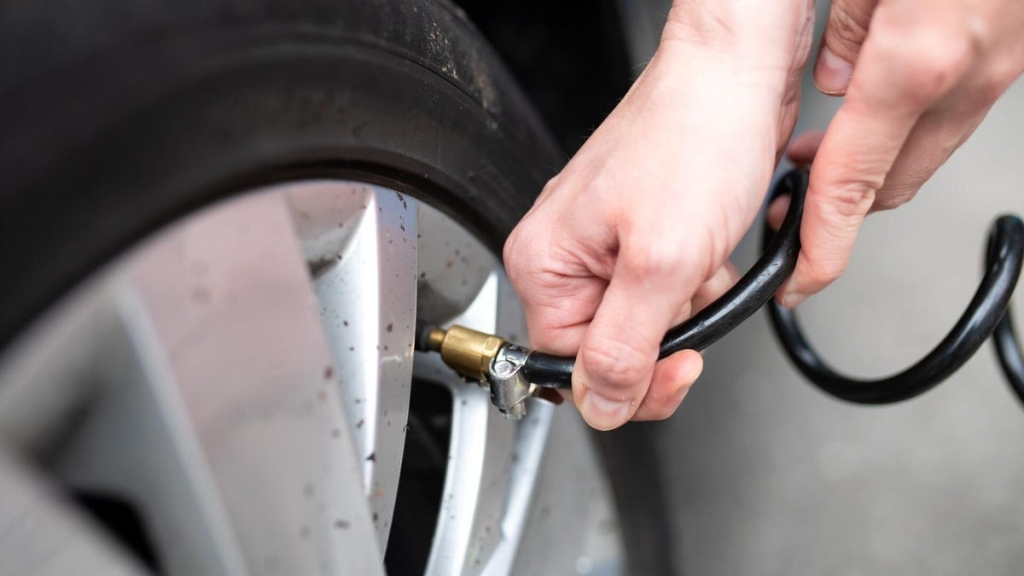
Modern Cars’ Tire Sensors Could Be Used to Track Your Every Move: A Shocking Privacy Risk Revealed
If you’re driving a car built after 2008, there’s a hidden danger lurking in your vehicle’s tire pressure monitoring system (TPMS). A groundbreaking study by researchers at the IMDEA Networks Institute in Madrid has uncovered a startling vulnerability: your car’s tire sensors could be used to track your location without your knowledge. This revelation has sent shockwaves through the tech and automotive industries, raising serious questions about privacy in the digital age.
The study, which spanned 10 weeks and collected over 6 million wireless signals from more than 20,000 cars, exposed a flaw in the TPMS that could allow hackers to monitor your movements. The system, mandated by the TREAD Act of 2000 for road safety, uses tiny sensors attached to each tire to monitor pressure and communicate with the car’s electronic control unit. While this technology has made driving safer, it has also created an unexpected privacy risk.
Here’s how it works: the tire sensors emit wireless signals that include a unique, unencrypted ID number. This signal is constantly transmitted, making it possible for anyone with a cheap radio receiver to pick it up and track the vehicle’s movements. Unlike traditional tracking methods that rely on cameras or license plate recognition, this technique is covert and nearly impossible to detect.
The implications are staggering. Researchers were able to capture signals from moving cars at distances of over 50 meters, even through walls and from inside buildings. By analyzing the tire pressure readings, they could determine the vehicle type, its weight, and even the driver’s habits. This means that a network of inexpensive wireless receivers could quietly monitor the patterns of cars in real-world environments, revealing daily routines, work arrival times, and travel habits.
Dr. Yago Lizarribar, one of the study’s authors, emphasized the gravity of the situation: “TPMS was designed for safety, not security. Our findings show the need for manufacturers and regulators to improve protection in future vehicle sensor systems.” The study urges policymakers and car manufacturers to design a more secure and privacy-preserving TPMS for future cars.
This isn’t the first time researchers have raised the alarm about this issue. A 2010 study by Rutgers University and the University of South Carolina warned of the potential privacy threat hiding in a vehicle’s tire pressure system. Yet, 16 years later, the flaw persists, leaving millions of drivers vulnerable.
Cooper Quintin, a senior staff technologist at the Electronic Frontier Foundation, told CNET that this is just one of many privacy threats in modern cars. “Any method that can be misused to surreptitiously track people’s movements without their knowledge is concerning,” he said. “But so are all of the technologies in modern cars that intentionally violate drivers’ privacy by collecting and sharing data for purposes of advertising, insurance risk assessment, and more.”
The discovery has sparked a heated debate about the balance between safety and privacy in the automotive industry. While TPMS has undoubtedly saved lives by alerting drivers to low tire pressure, its lack of security has created a new and alarming risk. As cars become increasingly connected and reliant on digital systems, the need for robust cybersecurity measures has never been more urgent.
For now, the researchers recommend that drivers of older vehicles, particularly those built before 2008, may have a slight advantage in terms of privacy. However, as technology continues to evolve, it’s clear that the automotive industry must prioritize both safety and security to protect drivers from emerging threats.
The revelation that your car’s tire sensors could be used to track you is a wake-up call for manufacturers, regulators, and consumers alike. It’s a stark reminder that in the digital age, even the most mundane technologies can have far-reaching implications for our privacy and security. As we move forward, it’s essential to demand better protections and hold the industry accountable for safeguarding our personal information.
Tags: #CarPrivacy #TPMS #Cybersecurity #TechNews #PrivacyRisk #AutomotiveSecurity #DigitalPrivacy #TrackingTechnology #SmartCars #DataSecurity #PrivacyConcerns #TechVulnerability #AutomotiveInnovation #WirelessTracking #PrivacyAlert #TechResearch #VehicleSecurity #PrivacyProtection #DigitalAge #TechEthics
Viral Phrases:
- “Your car’s tire sensors could be tracking you right now.”
- “A hidden danger in your car’s tire pressure system.”
- “The shocking truth about modern car privacy risks.”
- “Hackers can track your car using tire sensors.”
- “A 10-week study reveals a major privacy flaw in TPMS.”
- “Your car’s safety feature could be its biggest privacy risk.”
- “The automotive industry’s secret tracking technology.”
- “Why older cars might be safer for your privacy.”
- “The digital age’s most unexpected privacy threat.”
- “A wake-up call for car manufacturers and drivers.”
,


Leave a Reply
Want to join the discussion?Feel free to contribute!