
You’ve never heard of it, but a Russian studio made a fantasy take on original Fallout way back in 2001, and it honestly kind of rules
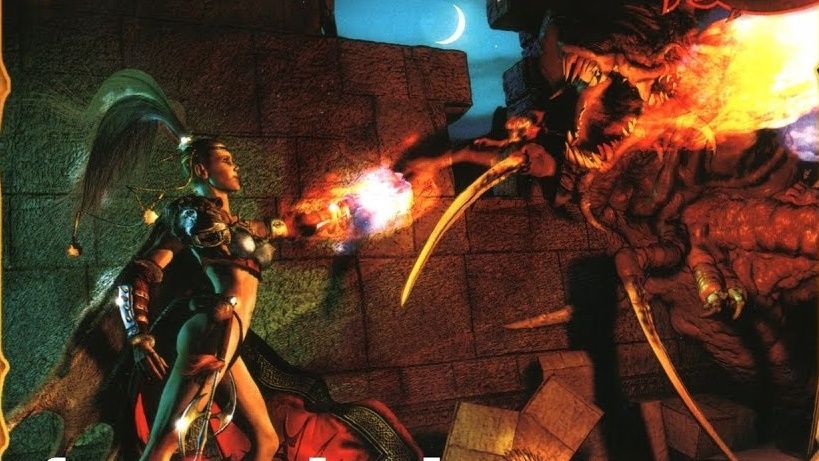
GoldenLand: The Forgotten Russian CRPG That Deserves a Comeback
In the early 2000s, a small Russian studio crafted something remarkable—a fantasy RPG that drew not from Tolkien’s well-worn tropes, but from the rich soil of Slavic mythology and medieval Russian history. This is the story of GoldenLand (or Heath: The Unchosen Path as it was confusingly marketed in English), a game that deserves rediscovery by CRPG enthusiasts everywhere.
The Soviet RPG Underground
There’s something about sprawling isometric RPGs that resonated particularly hard in the former Soviet Union during the ’90s and early 2000s. Perhaps it’s an affinity for the narodnaya dusha—that these worlds of Forgotten Realms and Middle-earth speak to something ancestral in the popular spirit, recalling byliny (epic folk tales) and the mysterious creatures that haunt Russian folklore.
Or perhaps it was simply that these games ran reasonably well on the terrible computers available at the time and provided a decent way to learn English. Whatever the reason, the former Soviet states developed a particular love for CRPGs that often went overlooked in the West.
Enter Zlatogorye
My journey into this forgotten corner of gaming history began with a Bluesky post from Felipe Pepe—the author who literally wrote the book on CRPGs—waxing nostalgic about a series called Zlatogorye (GoldenLand). I was immediately determined to play it, and I’m glad I did.
GoldenLand 1, released in 2001, isn’t available on any modern storefront, but it’s not hard to track down. Installing it is a matter of mounting a .cue file and hitting go. One confusing detail: the game seems convinced its English name is Heath: The Unchosen Path. I guess that’s technically its official English-language name, but everyone online just calls it GoldenLand—a semi-translation of its Russian name, Zlatogorye (Golden Mountain).
Slavic Fantasy, Not Generic Fantasy
You are a hero(ine). Or you would be. Quite the misfortune: someone went and killed you while a roving band of vygaks—those would be the bad guys—laid waste to your village. But chin up, because you’ve been revived to serve the ends of the Good God Belobog in his struggles against Drah-Shu, the evil god who oversaw the vygak situation that razed your village to the ground and who now presides over an army invading from the east.
And here are your Russian oral epics already. This isn’t the knock-off, Tolkien-esque fantasy we’re all very familiar with. This is pure Old Rus: heroes standing against a pseudo-Mongol invasion as it threatens to overrun and subjugate them. Your avatar may as well be called Alexander Nevsky. Even the approach to gods is more Gorki than Gygax: no pantheon here, just Belobog—”The creator of everything that lives in the world,” the tutorial NPC tells you, “we honour him as Father”—and Drah-Shu. All very Orthodox.
It’s a mode of fantasy we don’t see all that often, which is a shame because it’s absolutely crammed to the gills with magic and mystery. Heck, your first task in GoldenLand is finding a guy called Gromoboy, a bogatyr—a kind of stock character of Russian legend, a roving heroic knight of the Lancelot mould.
The CRPG DNA
What strikes you playing GoldenLand is how neatly these tropes dovetail with all those western CRPG influences that made their mark on the devs who’d go on to create games like this. Character creation in GoldenLand is Baldur’s Gate on a budget. Pick a class (Fighter, Mage, or Ranger), select a gender, and off you go into a game that feels for all the world like a combo of BG, Fallout, and Arcanum (though the latter wasn’t an influence, given it came out the same year).
Combat is a dance of managing action points, both your own and those of your enemies, trying to compute the perfect series of actions that lets you get some hits in while moving far enough away from your foes that they waste all their points shambling towards you. You know, Fallout.
Overcome enough foes, finish enough quests—seemingly every inhabitant of the game’s villages has at least one—and you’ll level up and get to select new, Fallout-style perks to mix up your play. It’s a satisfying loop. Of course it is. It was satisfying in Fallout 1 and 2, as well.
The Charm of Janky Ambition
But it’s interesting to experience it in a game which feels like it was made with a tenth of the resources. Everything’s a little, well, janky. Animations have a staccato quality to them, combat can be unfair, even the fonts somehow feel a little off-brand—a set of plain black serifs where Baldur’s Gate at least reached for a curlicue or two.
And yet, I kind of love it? Sure, I love it at least in part because it’s dripping with all the elements of Russian history to which I dedicated a not-insignificant part of my life studying, but I love it also because it all works. It works in part because, sure, the devs make up for a lack of budget with an abundance of love for the CRPG as a form (and this was Russian game development in the late ’90s/early ’00s, so likely a decent amount of crunch too), but also because its elements fit together so perfectly.
These mechanics and these narrative elements mesh so neatly that I’d kill for more like it, though perhaps with a higher budget and an English translation that did not refer, during character creation, to an “Unchancy deskside.” I want more CRPGs from more sickos from more places. Let a hundred GoldenLands bloom.
Tags & Viral Phrases
- forgotten gems of gaming history
- Soviet-era game development
- Slavic mythology in video games
- isometric CRPG revival
- budget game charm
- janky but lovable
- overlooked RPG classics
- GoldenLand deserves a remaster
- Russian game development history
- cultural exchange through games
- Baldur’s Gate spiritual successors
- Fallout-style combat systems
- authentic folklore in gaming
- the beauty of low-budget ambition
- games that time forgot
- hidden treasures of PC gaming
- early 2000s RPG scene
- post-Soviet gaming culture
- authentic cultural representation
- gaming archaeology
- rediscovering lost classics
- the charm of technical limitations
- passion projects in game development
- games with heart over budget
- Slavic fantasy settings
- authentic Russian folklore
- the golden age of isometric RPGs
- games that deserve cult status
- the beauty of jank
- gaming history preservation
- overlooked masterpieces
- the power of cultural specificity
- games that punch above their weight
- the joy of discovery
- gaming’s hidden corners
- the value of authenticity
- games that feel different
- the importance of preservation
- gaming’s forgotten children
- the magic of discovery
- why we play old games
- the joy of the hunt
- gaming archaeology 101
- the value of obscurity
- games that deserve attention
- the beauty of imperfection
- why jank can be charming
- the importance of context
- games that feel unique
- the power of specificity
- why we love weird games
- the value of authenticity in gaming
- games that feel handcrafted
- the joy of the unexpected
- why obscurity matters
- the beauty of limitations
- games that feel personal
- the importance of cultural representation
- why we love underdogs
- the value of passion projects
- games that feel different from the norm
- the joy of discovery in gaming
- why we explore gaming history
- the importance of preservation efforts
- games that deserve cult followings
- the beauty of technical limitations
- why jank can be charming
- the value of authenticity
- games that feel handcrafted
- the importance of cultural specificity
- why we love weird games
- the power of passion
- games that punch above their weight
- the joy of the hunt
- gaming’s hidden treasures
- the value of obscurity
- games that feel different
- the importance of context
- why we play old games
- the beauty of discovery
- gaming’s forgotten gems
- the power of cultural exchange
- games that feel authentic
- the joy of finding something new
- why we explore
- the importance of remembering
- games that deserve attention
- the beauty of imperfection
- why we love underdogs
- the value of passion projects
- games that feel unique
- the power of specificity
- why we love weird games
- the value of authenticity in gaming
- games that feel handcrafted
- the joy of the unexpected
- why obscurity matters
- the beauty of limitations
- games that feel personal
- the importance of cultural representation
- why we love underdogs
- the value of passion projects
- games that feel different from the norm
- the joy of discovery in gaming
- why we explore gaming history
- the importance of preservation efforts
- games that deserve cult followings
- the beauty of technical limitations
- why jank can be charming
- the value of authenticity
- games that feel handcrafted
- the importance of cultural specificity
- why we love weird games
- the power of passion
- games that punch above their weight
- the joy of the hunt
- gaming’s hidden treasures
- the value of obscurity
- games that feel different
- the importance of context
- why we play old games
- the beauty of discovery
- gaming’s forgotten gems
- the power of cultural exchange
- games that feel authentic
- the joy of finding something new
- why we explore
- the importance of remembering
- games that deserve attention
- the beauty of imperfection
- why we love underdogs
- the value of passion projects
- games that feel unique
- the power of specificity
- why we love weird games
- the value of authenticity in gaming
- games that feel handcrafted
- the joy of the unexpected
- why obscurity matters
- the beauty of limitations
- games that feel personal
- the importance of cultural representation
,


Leave a Reply
Want to join the discussion?Feel free to contribute!