
Zuckerberg grilled in court over social media harms on teens
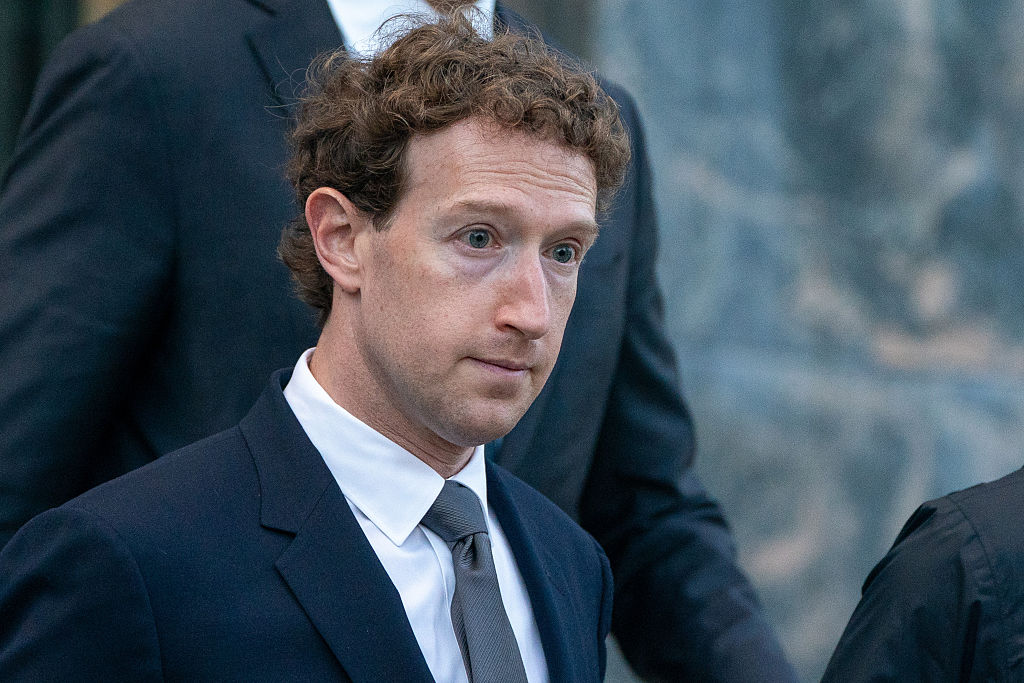
Meta CEO Mark Zuckerberg Faces Explosive Courtroom Showdown Over Social Media’s Impact on Teen Mental Health
In a high-stakes legal battle that could reshape the future of social media regulation, Meta CEO Mark Zuckerberg took the stand this week in a Los Angeles Superior Court trial that’s already sending shockwaves through Silicon Valley and beyond.
The landmark case centers on 20-year-old plaintiff KGM (identified in court as Kaley), who’s suing Meta and other major social platforms, alleging their products are deliberately designed to be addictive and harmful to young users. The trial has already exposed damning internal Meta research and communications that paint a troubling picture of the company’s awareness of its platforms’ impact on vulnerable teens.
Damning Internal Research Comes to Light
Perhaps most explosive was the revelation that Meta’s own research found parental supervision was largely ineffective at curbing teens’ compulsive social media use. The data showed that teenagers who had experienced traumatic life events were even more susceptible to overuse, creating a perfect storm of vulnerability that Meta’s platforms seemed designed to exploit.
“This isn’t just about screen time,” explained one court observer. “The research suggests Meta understood that their platforms could become a coping mechanism for traumatized teens, potentially creating dependency cycles.”
The 12% Usage Increase Email
During testimony, Zuckerberg faced intense questioning about a 2015 email chain that directly contradicted his previous congressional testimony. While he had told lawmakers that Meta employees weren’t given specific goals to increase daily app usage, the court saw evidence of Zuckerberg himself pushing for a 12% increase in user time spent within the app.
When confronted with this discrepancy, Zuckerberg’s defense team argued the context was being misrepresented, but the damage to his credibility was evident in the courtroom.
The Underage User Crisis
The trial also brought to light staggering statistics about underage usage. A 2018 Meta document revealed that as of 2015, approximately 4 million children under 13 had Instagram accounts, with roughly 30% of U.S. children aged 10-12 actively using the platform.
Zuckerberg pushed back on these figures during testimony, arguing that age verification remains an industry-wide challenge. “We’ve been asking Apple and other platform holders to implement better age-checking systems,” he testified, pointing to the recent rollout of Apple’s new age assurance tools as a potential solution.
Beauty Filters and Teen Mental Health
Internal documents also revealed that Meta’s own experts had recommended banning beauty filters for teen users, citing concerns about body image and self-esteem. Despite these recommendations, the filters remained available to young users, raising questions about the company’s priorities.
The Broader Context of Social Media Regulation
This trial comes amid a wave of legislative action across the United States, with numerous states either having passed or developing their own social media regulations aimed at protecting young users. The pressure has been mounting on tech companies to implement stronger safeguards, with Apple’s recent age-checking tools representing a significant industry shift.
Settlement Precedent
The trial’s context was further complicated by the fact that TikTok and Snap had already settled similar lawsuits before the trial began, leaving Meta and YouTube to defend their practices in court. These settlements suggest a recognition of potential liability, even if the companies haven’t admitted wrongdoing.
Defense Strategy Under Scrutiny
Throughout his testimony, Zuckerberg largely adhered to Meta’s established talking points, occasionally pushing back on what he characterized as “mischaracterizations” of internal documents. The defense strategy appears to be focusing on contextualizing the company’s actions rather than denying them outright.
The Plaintiff’s Background
Meta’s legal team has emphasized Kaley’s difficult childhood as a significant factor in her mental health challenges, attempting to shift focus away from the platforms themselves. This approach raises complex questions about the interplay between personal circumstances and environmental factors like social media exposure.
Potential Implications
The trial’s outcome could have far-reaching consequences:
- Regulatory Reform: A finding against Meta could accelerate federal and state-level regulation of social media platforms
- Industry Standards: The case might establish new benchmarks for youth protection in digital products
- Financial Impact: Potential settlements could reach billions, forcing companies to reevaluate their business models
- Design Philosophy: Companies may need to fundamentally rethink how their platforms engage young users
The Jury’s Challenge
The jury faces a complex task: determining whether Meta knowingly designed addictive products that harm teens, or whether the company’s actions, while perhaps imperfect, represent reasonable efforts to create engaging platforms within an evolving understanding of digital wellness.
Expert Analysis
“This trial represents a watershed moment for tech accountability,” noted one digital rights advocate following the proceedings. “For years, companies have operated with minimal oversight, but the evidence being presented suggests a level of awareness about potential harms that could fundamentally shift the legal landscape.”
Looking Ahead
As testimony continues, all eyes remain on the courtroom where the future of social media regulation may well be decided. The trial’s outcome could determine whether tech giants face increased scrutiny and regulation or whether the current model of self-regulation continues largely unchanged.
The case also highlights the broader societal debate about technology’s role in young people’s lives and the responsibilities of companies that wield enormous influence over how millions of teens spend their time and perceive themselves.
Tags & Viral Phrases:
Meta CEO Mark Zuckerberg testifies in explosive social media addiction trial
Internal Meta research shows parental controls don’t prevent teen compulsive use
12% increase in app usage email contradicts Zuckerberg’s congressional testimony
4 million children under 13 had Instagram accounts, documents reveal
Meta’s own experts recommended banning beauty filters for teens
TikTok and Snap already settled similar social media addiction lawsuits
Apple’s new age assurance tools come amid growing regulatory pressure
Landmark trial could force major tech reforms and new regulations
Defense argues plaintiff’s childhood trauma, not social media, caused harm
Jury decision could reshape how social media platforms operate forever
Silicon Valley braces for potential billion-dollar settlements
Social media companies face reckoning over youth mental health impacts
Meta knew about addiction risks but continued growth-at-all-costs strategy
This trial could be the beginning of the end for unrestricted social media
Parents demand accountability as internal documents expose corporate knowledge
Tech giants may need to completely redesign platforms for teen safety
The courtroom battle that could change how kids use social media forever
Mark Zuckerberg’s credibility questioned as evidence mounts against Meta
Social media regulation wave sweeps across U.S. states following this trial
Beauty filters controversy highlights Meta’s prioritization of engagement over safety
,


Leave a Reply
Want to join the discussion?Feel free to contribute!