
Zuckerberg testifies in front of jury during social media addiction trial
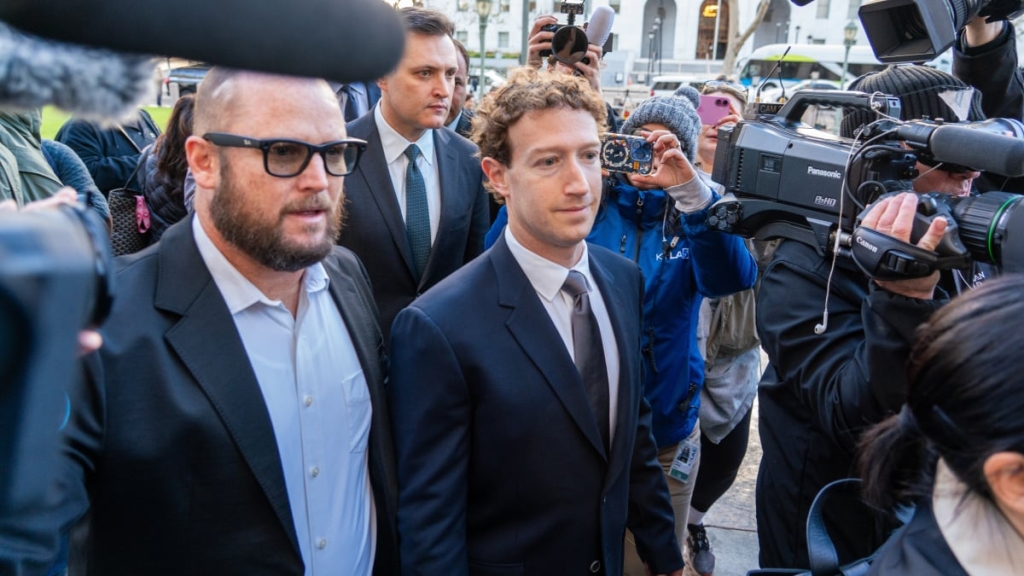
Mark Zuckerberg Takes the Stand in Landmark Social Media Addiction Trial
In a courtroom drama that has Silicon Valley on edge, Meta CEO Mark Zuckerberg faced a jury for the first time today to defend his company against explosive allegations that Instagram and Facebook are deliberately engineered to trap young users in cycles of compulsive engagement.
The high-stakes trial, unfolding in Los Angeles, represents a watershed moment in the ongoing battle over tech accountability. At its center is a 20-year-old plaintiff who claims Meta’s platforms contributed to severe mental health struggles—allegations that, if proven, could reshape the legal landscape for social media giants.
The CEO’s Testimony: Denial, Deflection, and Data
Under intense questioning from plaintiff’s attorney Matthew Bergman of the Social Media Victims Law Center, Zuckerberg maintained that Meta has implemented measures to reduce underage usage and disputed characterizations of the company’s internal goals.
“If you do something that’s not good for people, maybe they’ll spend more time [on Instagram] short term, but if they’re not happy with it, they’re not going to use it over time,” Zuckerberg told the jury. “I’m not trying to maximize the amount of time people spend every month.”
The exchange grew heated as Bergman pressed Zuckerberg on age verification policies, the CEO’s personal media training, and his substantial compensation package. The tech executive pushed back forcefully, accusing Bergman of mischaracterizing his previous statements about platform design and user engagement.
A Trial With Monumental Implications
This case represents the first of more than 1,600 consolidated lawsuits alleging that major social media companies knowingly designed harmful products. While TikTok and Snapchat recently settled out of the current Los Angeles proceedings, the trial against Meta, along with remaining defendants Google and YouTube, continues with potentially industry-altering consequences.
Legal experts note that internet companies have historically enjoyed broad protection from litigation over user content, thanks to provisions in the Communications Decency Act. However, this trial targets a different theory of liability—that the platforms’ very design constitutes a dangerous product.
Preceding Testimonies Set the Stage
Last week, Instagram CEO Adam Mosseri took the stand, carefully navigating the charged terminology around social media addiction. While Mosseri conceded to patterns of “problematic use” among teen users, he stopped short of acknowledging clinical addiction—a distinction that mental health professionals continue to debate.
“It’s relative. Yes, for an individual, there’s such a thing as using Instagram more than you feel good about,” Mosseri testified. “We make less money from teens than any other demographic on the platform.”
The Industry Watches Closely
Tech oversight advocates view this trial as a potential catalyst for congressional action. Sacha Haworth, executive director of The Tech Oversight Project, didn’t mince words in assessing the proceedings.
“What we’re seeing in that courtroom today is exactly what we’ve long known to be true – Mark Zuckerberg built a machine that exploited children for profit, and he knew it,” Haworth stated. “Congress needs to act now to hold Big Tech accountable and stop CEOs like Zuckerberg from exploiting and hurting young people.”
The trial comes in the wake of Zuckerberg’s 2024 congressional testimony, where lawmakers grilled him about platform safety measures. This jury trial represents a far more consequential legal challenge, with potential damages that could reach into the billions.
The Defense Strategy
Ahead of the trial, Meta officials released a statement positioning their defense: “The question for the jury in Los Angeles is whether Instagram was a substantial factor in the plaintiff’s mental health struggles. The evidence will show she faced many significant, difficult challenges well before she ever used social media.”
This framing attempts to redirect responsibility away from the platform and toward pre-existing conditions—a strategy that will likely face rigorous scrutiny as the trial progresses.
Why This Matters Beyond the Courtroom
The outcome of this trial could establish critical precedents for how technology companies approach product design, user safety, and corporate responsibility. With growing concerns about youth mental health and screen time, the jury’s decision may influence not just Meta’s future practices but potentially reshape the entire social media ecosystem.
As testimony continues in the coming weeks, all eyes remain on this pivotal case that could finally hold Big Tech accountable for the human cost of engagement-driven design.
Tags & Viral Phrases:
- Zuckerberg on trial
- Social media addiction lawsuit
- Meta faces jury
- Instagram dangerous design
- Big Tech accountability
- Youth mental health crisis
- Silicon Valley on trial
- Platform liability
- Tech CEO testimony
- Kids online safety
- Social media victims
- Engagement-driven harm
- Congressional pressure
- Digital wellness debate
- Platform responsibility
- Teen screen time
- Mental health impact
- Tech oversight moment
- Historic legal battle
- Social media reckoning
,


Leave a Reply
Want to join the discussion?Feel free to contribute!