
Dell’s New XPS Laptops Feature The First Consumer Display Of Its Kind
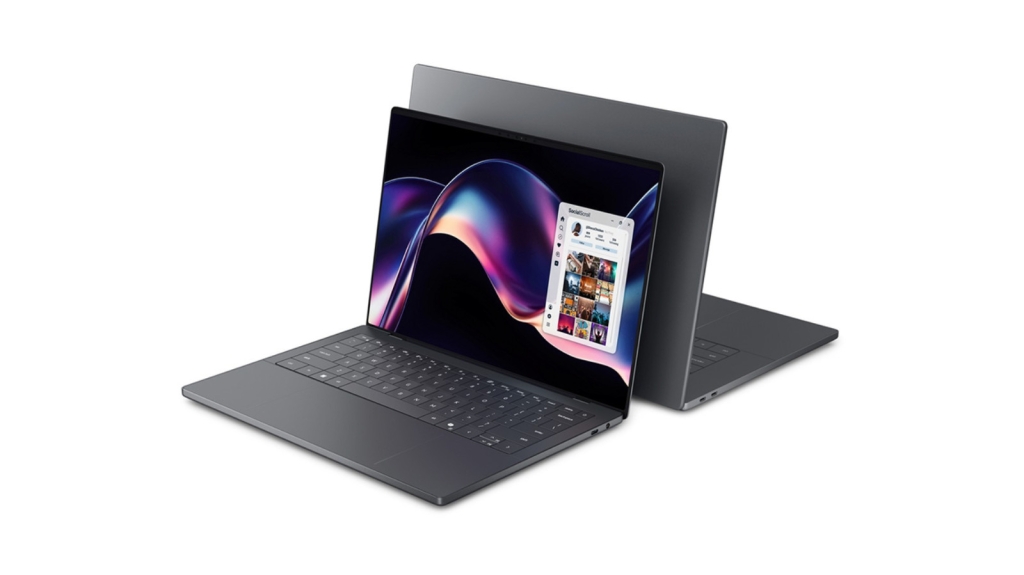
Dell’s XPS Comeback: A Revolutionary Display That Could Change Laptop Battery Life Forever
In a stunning move that has the tech world buzzing, Dell has resurrected its legendary XPS laptop lineup at CES 2026—and it’s bringing more than just nostalgia to the table. After controversially killing off the XPS brand and rebranding its entire PC lineup last year, Dell is making a triumphant return with what might be the most innovative laptops we’ve seen in years.
The tech giant unveiled two models initially—a sleek 14-inch and a powerful 16-inch variant—with promises of a 13-inch version coming later. But here’s where things get really interesting: these aren’t just any laptops. They’re powered by what Dell is calling “the best battery life in the industry,” boasting up to 31 hours of screen time on a single charge.
The Game-Changing Display Technology
The secret sauce behind these impressive battery claims? A revolutionary display partnership with LG Display that’s turning heads across Silicon Valley. The new XPS lineup features a one-of-a-kind LCD panel incorporating LG’s groundbreaking Oxide 1 Hz technology—and this isn’t just marketing hype.
LG Display recently announced it has begun the world’s first mass production of these next-generation LCD displays, marking a significant milestone in laptop display technology. What makes this display so special? It’s all about the variable refresh rate capability.
How Variable Refresh Rates Work Their Magic
The new display technology offers an unprecedented range, scaling from as low as 1Hz all the way up to 120Hz. This isn’t just a simple on/off switch—the display intelligently adjusts its refresh rate based on what you’re doing in real-time.
Imagine this scenario: You’re watching the big game on your new XPS laptop. The display automatically cranks up to 120Hz, eliminating any motion blur and ensuring buttery-smooth action sequences. But then you switch to reading articles or working on spreadsheets in Excel. The display intelligently drops down to just 1Hz for static content, dramatically reducing power consumption.
The Science Behind the Battery Life Boost
According to LG Display’s internal testing, this adaptive refresh rate technology delivers “48% more use on a single charge compared to existing solutions.” That’s not a small improvement—that’s a game-changer that could redefine how we think about laptop productivity.
The math is simple but powerful. Traditional displays run at a fixed refresh rate, constantly consuming power whether you need it or not. A 120Hz display refreshing 120 times per second while you’re reading static text is essentially wasting energy. By dynamically adjusting to as low as 1Hz for static content, these new XPS laptops are squeezing every possible minute out of their batteries.
Technical Specifications That Matter
Both the new XPS 14 and XPS 16 feature stunning 2K displays with 500 nits of brightness—more than enough for outdoor use or well-lit environments. The combination of high resolution, excellent brightness, and variable refresh rate creates what Dell is calling the perfect balance between visual quality and power efficiency.
But Dell isn’t stopping at just LCD technology. In a forward-looking move, the company has announced plans to incorporate this same intelligent refresh rate adjustment technology into OLED panels by 2027. This means future XPS models could combine the infinite contrast ratios and perfect blacks of OLED with the power-saving benefits of variable refresh rates.
Why This Matters for the Industry
The implications of this technology extend far beyond just Dell’s product lineup. If successful, this could trigger a complete paradigm shift in how laptop displays are designed and implemented across the entire industry.
For years, the trade-off has been clear: higher refresh rates mean better user experience but worse battery life. Gamers and power users have had to choose between smooth scrolling and marathon productivity sessions. Dell’s new approach essentially eliminates this compromise, potentially setting a new standard that competitors will need to match.
The XPS Legacy and Its Comeback Story
The XPS lineup has always been Dell’s premium offering, competing directly with Apple’s MacBook Pro and Microsoft’s Surface Laptop. The decision to kill the brand last year was met with significant backlash from enthusiasts and professionals who valued the XPS line’s combination of build quality, performance, and design.
Bringing it back with such innovative technology feels like Dell acknowledging its community while simultaneously pushing the envelope forward. It’s a comeback story that tech enthusiasts are eating up, and for good reason—these laptops represent genuine innovation rather than just incremental upgrades.
Looking Ahead: The Future of Laptop Displays
As we look toward the future, several questions emerge. Will other manufacturers quickly adopt similar variable refresh rate technologies? How will this impact the ongoing debate between LCD and OLED supremacy in laptops? And most importantly, will real-world battery life match the impressive claims?
One thing is certain: Dell has thrown down the gauntlet with these new XPS models. The combination of the Oxide 1 Hz display technology, impressive battery life claims, and the emotional resonance of the XPS brand’s return creates a perfect storm of innovation and nostalgia.
The tech industry moves fast, but genuine breakthroughs are rare. Dell’s new XPS lineup, powered by LG Display’s revolutionary technology, might just be one of those rare moments where everything comes together to create something truly special. Whether it lives up to the hype remains to be seen, but one thing is clear—the future of laptop displays just got a whole lot more interesting.
tags
DellXPS #RevolutionaryDisplay #BatteryLife #CES2026 #TechInnovation #LGDDisplay #VariableRefreshRate #LaptopRevolution #TechComeback #DisplayTechnology
viralphrases
“Game-changing display technology”
“48% more battery life”
“1Hz to 120Hz variable refresh rate”
“Best battery life in the industry”
“31 hours of screen time”
“World’s first mass production”
“Oxide 1 Hz technology”
“Laptop display paradigm shift”
“Dell’s triumphant return”
“The future of laptop displays”
,


Leave a Reply
Want to join the discussion?Feel free to contribute!