
Judge rules Trump administration violated the First Amendment in fight against ICE-tracking
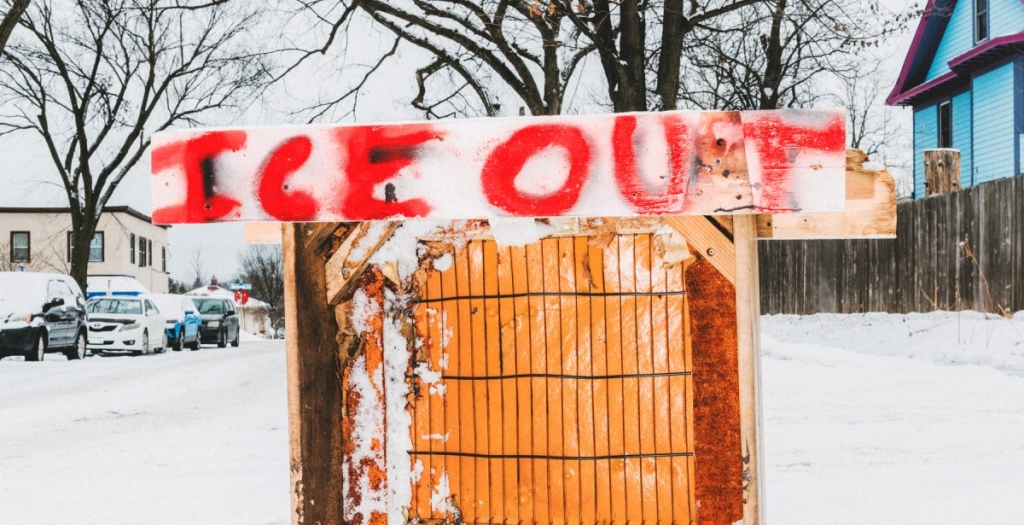
A federal judge has dealt a significant blow to the Trump administration’s efforts to pressure tech giants into removing content related to Immigration and Customs Enforcement (ICE) operations. In a ruling that could have far-reaching implications for free speech and government overreach, Judge Jorge L. Alonso of the Northern District of Illinois found that the administration violated the First Amendment by coercing Facebook and Apple to take down ICE-tracking groups and applications.
The case centers around two plaintiffs: Kassandra Rosado, who manages the ICE Sightings – Chicagoland Facebook group, and Kreisau Group, the developers of Eyes Up, an app designed to help users track ICE activities. Judge Alonso granted them a preliminary injunction, effectively halting the government’s attempts to censor their content.
In his decision, Judge Alonso cited a unanimous Supreme Court ruling from 2024 in the case of National Rifle Association of America v. Vullo. This precedent established that government officials cannot attempt to coerce private parties in order to punish or suppress views that the government disfavors. The judge drew parallels between this case and the Trump administration’s actions, stating, “Here, [Pam] Bondi and [Kristi] Noem did exactly that. They reached out to Facebook and Apple and demanded, rather than requested, that Facebook and Apple censor Plaintiff’s speech.”
The controversy began when then-Attorney General Pam Bondi publicly boasted on social media platform X about the removal of a group allegedly “being used to dox and target” ICE agents. This came after the Department of Justice (DOJ) had contacted Meta, Facebook’s parent company. The pressure campaign extended beyond Facebook, with similar ICE-tracking apps like Eyes Up, ICEBlock, and Red Dot being removed from various app stores following threats of prosecution from the DOJ.
The government’s actions raised eyebrows not only for their potential violation of free speech but also for their apparent inconsistency. While the Trump administration was quick to pressure tech companies to remove content critical of ICE, it had previously shown little interest in addressing issues related to online harassment or the doxing of individuals. This selective enforcement led many to question the true motivations behind the government’s actions.
The case has reignited debates about the power of government officials to influence private companies and the delicate balance between national security concerns and individual rights. Critics argue that the administration’s actions set a dangerous precedent, potentially opening the door for future governments to censor speech they find objectionable under the guise of national security.
Supporters of the ICE-tracking groups and apps argue that they serve an important public safety function, allowing communities to be aware of ICE activities in their areas and potentially avoid confrontations or deportations. They contend that the government’s actions were an attempt to suppress information and prevent citizens from exercising their right to know about government activities in their communities.
The tech industry has been closely watching this case, as it could have significant implications for how companies handle government requests to remove content. Many tech giants have policies in place to resist government overreach, but the threat of prosecution or other legal consequences can make it difficult for these companies to stand their ground.
As the case moves forward, it’s likely that the government will appeal Judge Alonso’s decision. However, the unanimous nature of the Supreme Court precedent cited in the ruling suggests that the Trump administration may face an uphill battle in overturning this decision. The outcome of this case could have far-reaching consequences for the relationship between government, tech companies, and free speech in the digital age.
Legal experts are divided on the potential long-term impact of this ruling. Some argue that it could strengthen protections against government overreach in the digital sphere, while others worry that it might embolden tech companies to resist legitimate government requests in the name of protecting free speech.
The case also raises questions about the role of social media platforms and app stores in moderating content. As these platforms have become increasingly central to public discourse, their policies and practices around content removal have come under intense scrutiny. This case could force these companies to reevaluate their approach to government requests and potentially develop more robust policies to protect user speech.
As the legal battle continues, it’s clear that this case will be closely watched by free speech advocates, tech companies, and government officials alike. The outcome could shape the future of online discourse and the balance of power between government and private companies in the digital age.
Tags and viral phrases:
– First Amendment violation
– Government overreach
– ICE-tracking apps controversy
– Tech giants vs. Trump administration
– Free speech in the digital age
– Supreme Court precedent on coercion
– Facebook and Apple censorship pressure
– ICE Sightings – Chicagoland group
– Eyes Up app developers win
– Judge Jorge L. Alonso ruling
– Pam Bondi’s social media boast
– DOJ pressure campaign
– National security vs. individual rights
– Tech industry watching closely
– Potential government appeal
– Unanimous Supreme Court decision
– Digital age free speech debate
– Social media content moderation
– Online discourse and government power
– Legal battle shaping future of internet,


Leave a Reply
Want to join the discussion?Feel free to contribute!