
Hidden Passenger? How Taboola Routes Logged-In Banking Sessions to Temu
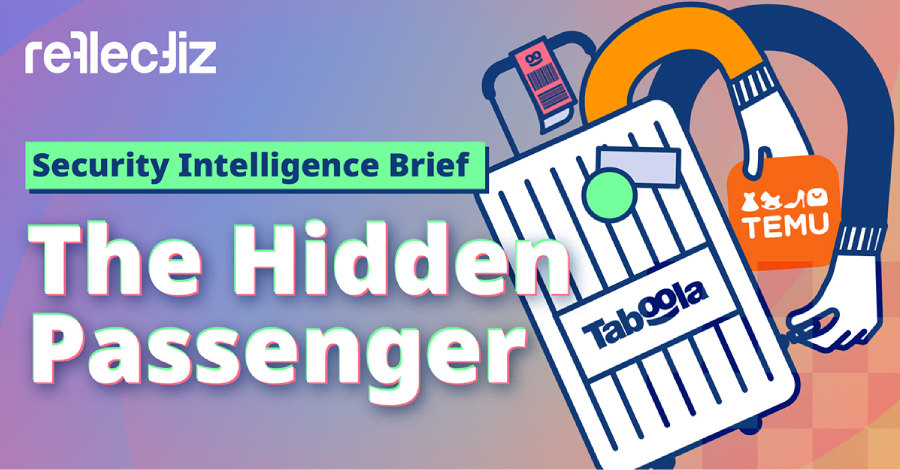
TechRadar Exclusive: The Silent Hijack — How a Bank’s Website Became an Unwitting Conduit for Temu’s Tracking Empire
In a digital landscape where cybersecurity is treated as sacrosanct, a recent revelation has sent shockwaves through the tech and finance communities alike. A major bank, whose name remains undisclosed due to ongoing investigations, unknowingly approved a Taboola pixel on its website. This seemingly innocuous tracking pixel, designed to serve targeted advertisements, quietly rerouted logged-in users to a Temu tracking endpoint—a maneuver executed without the bank’s knowledge, user consent, or any detectable breach in security protocols. The incident, detailed in a comprehensive Security Intelligence Brief, exposes a critical blind spot in modern web infrastructure: the “First-Hop Bias.”
The Anatomy of a Silent Hijack
At first glance, the breach appears almost surgical in its execution. Taboola, a leading content discovery and advertising platform, had its pixel embedded on the bank’s website. Pixels, often dismissed as benign tools for analytics and ad targeting, are ubiquitous across the web. However, in this case, the pixel was weaponized. Instead of merely tracking user behavior for ad optimization, it redirected users to a Temu tracking endpoint—a move that effectively turned the bank’s website into a covert data relay station for Temu, a fast-growing e-commerce platform.
What makes this incident particularly alarming is the absence of any detectable security violation. Traditional security measures, such as firewalls, intrusion detection systems, and web application firewalls, failed to flag the activity. This is because the redirection occurred at the first hop—the initial point of contact between the user’s browser and the external server. Known as the “First-Hop Bias,” this blind spot exploits the trust placed in third-party scripts and pixels, which are often granted unfettered access to user data.
The Role of Third-Party Scripts in Modern Web Vulnerabilities
The incident underscores a growing concern in the tech industry: the over-reliance on third-party scripts. Websites today are a patchwork of external dependencies, from analytics tools to advertising pixels, each granted access to user data and interactions. While these tools are essential for monetization and user experience optimization, they also introduce significant risks. In this case, the Taboola pixel acted as a Trojan horse, leveraging its legitimate access to execute an unauthorized redirection.
The “First-Hop Bias” is particularly insidious because it exploits the inherent trust placed in these third-party scripts. Security teams often focus on protecting against external threats, such as hackers and malware, while overlooking the potential for abuse by trusted partners. This incident serves as a stark reminder that even the most reputable companies can inadvertently become conduits for data exploitation.
The Implications for User Privacy and Corporate Responsibility
For users, the implications are profound. Logged-in bank customers, who entrust their financial institutions with sensitive personal and financial data, were unknowingly funneled into Temu’s tracking ecosystem. This raises serious questions about consent, transparency, and the ethical responsibilities of corporations in safeguarding user data. While the bank was not directly responsible for the breach, its failure to vet the Taboola pixel highlights the need for more rigorous third-party risk management.
For corporations, the incident is a wake-up call. As businesses increasingly rely on third-party tools to enhance their digital presence, they must also invest in robust monitoring and vetting processes. This includes conducting regular audits of third-party scripts, implementing strict access controls, and adopting a zero-trust approach to external dependencies.
The Broader Context: A Growing Trend in Digital Exploitation
This incident is not an isolated case. It is part of a broader trend in which legitimate tools and platforms are repurposed for unauthorized data collection and tracking. The rise of e-commerce giants like Temu, which rely heavily on data-driven marketing strategies, has created a fertile ground for such exploits. By leveraging the trust placed in established platforms like Taboola, bad actors can bypass traditional security measures and gain access to valuable user data.
The tech industry must grapple with the dual challenge of fostering innovation while ensuring user privacy and security. This requires a paradigm shift in how we approach web security, moving away from a reactive model to a proactive one that anticipates and mitigates potential risks.
Expert Insights: What Needs to Change?
Cybersecurity experts have weighed in on the incident, emphasizing the need for a multi-faceted approach to addressing the “First-Hop Bias.” Dr. Emily Carter, a leading authority on web security, explains, “The current security model is fundamentally flawed. We need to adopt a zero-trust architecture that treats every script, pixel, and external dependency as a potential threat until proven otherwise.”
Others have called for greater transparency and accountability in the use of third-party tools. “Users have a right to know when their data is being collected and shared,” says Marcus Lee, a privacy advocate. “Corporations must be held accountable for the tools they deploy on their websites and the potential risks they pose to user privacy.”
The Path Forward: Building a More Secure Digital Ecosystem
The incident serves as a catalyst for change, prompting calls for industry-wide reforms. These include the development of standardized security protocols for third-party scripts, the implementation of real-time monitoring tools, and the adoption of privacy-by-design principles in web development.
For users, the incident underscores the importance of vigilance and awareness. While individuals may not have direct control over the scripts deployed on the websites they visit, they can take steps to protect their data, such as using browser extensions that block third-party trackers and regularly reviewing privacy settings.
Conclusion: A Wake-Up Call for the Digital Age
The silent hijack of a major bank’s website is a stark reminder of the vulnerabilities inherent in our interconnected digital ecosystem. It highlights the need for a collective effort to address the “First-Hop Bias” and build a more secure, transparent, and ethical web. As the tech industry continues to evolve, it must prioritize user privacy and security, ensuring that the tools and platforms we rely on are not turned against us.
For now, the incident remains a cautionary tale—a reminder that in the digital age, even the most trusted institutions can become unwitting accomplices in the exploitation of user data. The question is not whether such incidents will occur, but how we choose to respond to them.
Tags & Viral Phrases:
Silent hijack, Taboola pixel, Temu tracking, First-Hop Bias, cybersecurity blind spot, third-party script vulnerability, user privacy breach, digital exploitation, zero-trust architecture, web security flaws, data tracking without consent, corporate responsibility, tech industry wake-up call, browser security risks, privacy-by-design, real-time monitoring tools, ethical web development, cybersecurity experts, Marcus Lee, Dr. Emily Carter, digital ecosystem vulnerabilities, techRadar exclusive, silent data relay, unauthorized redirection, financial data exploitation, e-commerce tracking, web application firewall failure, intrusion detection bypass, user data consent, tech industry reforms, browser extensions for privacy, digital age vulnerabilities, interconnected web risks.
,


Leave a Reply
Want to join the discussion?Feel free to contribute!