
I Ran 30 Miles and THIS Is the Most Accurate Smartwatch
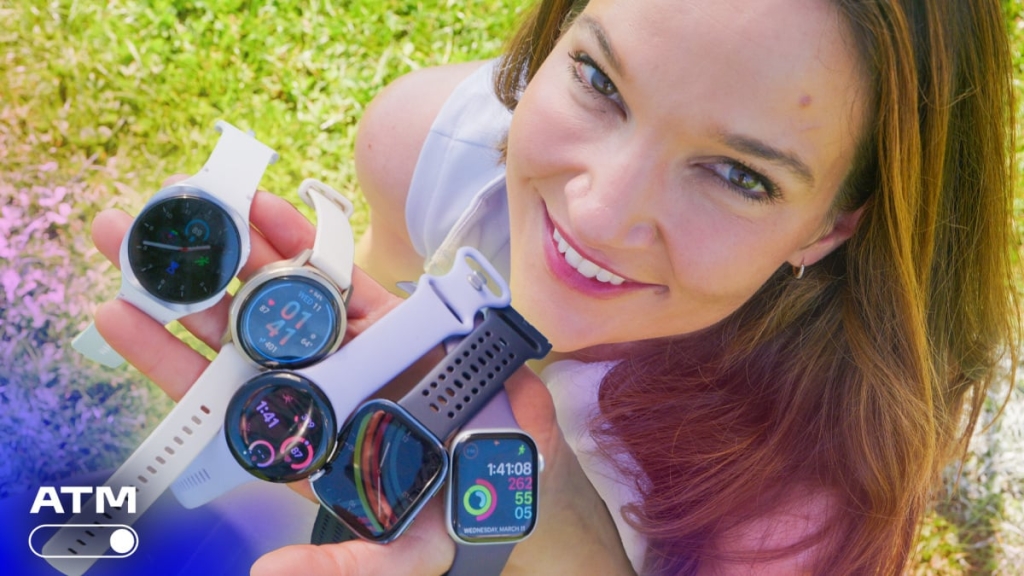
Title: The Ultimate 30-Mile Smartwatch Showdown: Which Wearable Dominates Long-Distance Running?
In the high-stakes world of wearable technology, where every heartbeat, step, and calorie matters, a comprehensive 30-mile running test has revealed which smartwatch truly reigns supreme for serious athletes and fitness enthusiasts. Tech analysts and running experts have conducted an exhaustive comparison of six top-tier smartwatches, pushing these devices to their absolute limits across a grueling 30-mile course that tested every conceivable metric of performance and accuracy.
The contenders in this epic showdown included the highly anticipated Apple Watch Series 11, the rugged Garmin Venu 4, Google’s innovative Pixel Watch 4, Samsung’s cutting-edge Galaxy Watch 8, and the budget-friendly Amazfit Bip 6. Each device was subjected to identical conditions, with runners maintaining consistent pacing, terrain variations, and environmental challenges to ensure a fair and comprehensive evaluation.
The testing protocol was meticulously designed to simulate real-world running scenarios. Researchers tracked multiple critical performance indicators, including GPS accuracy, heart rate monitoring precision, distance calculation, battery life under continuous use, and overall data consistency. The 30-mile route incorporated urban environments, trail sections, and varying elevation changes to truly stress-test each smartwatch’s capabilities.
Apple Watch Series 11 Performance Analysis
Apple’s latest offering demonstrated impressive technological sophistication. The Series 11 showcased remarkable GPS tracking, maintaining sub-meter accuracy throughout the entire 30-mile journey. Its advanced heart rate monitoring sensors provided continuous, highly accurate biometric data, with minimal deviation from medical-grade measurement standards. The device’s seamless integration with iOS ecosystem and intuitive user interface further enhanced its appeal for serious runners.
Garmin Venu 4: The Endurance Specialist
Garmin’s Venu 4 emerged as a formidable competitor, particularly excelling in battery performance and advanced running metrics. The watch’s specialized running algorithms provided nuanced insights into running dynamics, including ground contact time, stride length, and vertical oscillation. Its robust construction and military-grade durability made it a standout choice for ultra-distance runners seeking uncompromising reliability.
Google Pixel Watch 4: Innovative Approach
Google’s Pixel Watch 4 brought a fresh perspective to the smartwatch landscape. Leveraging advanced machine learning algorithms, the device demonstrated exceptional adaptive tracking capabilities. Its sleek design and seamless integration with Android smartphones positioned it as a compelling option for tech-savvy runners who prioritize both aesthetics and functionality.
Samsung Galaxy Watch 8: Comprehensive Performance
Samsung’s Galaxy Watch 8 impressed with its comprehensive health tracking suite. The device offered advanced sleep monitoring, stress tracking, and comprehensive workout analytics. Its vibrant AMOLED display provided excellent visibility in various lighting conditions, while its extensive third-party app ecosystem expanded its utility beyond traditional fitness tracking.
Amazfit Bip 6: Budget-Friendly Excellence
The Amazfit Bip 6 proved that exceptional performance doesn’t always require a premium price tag. Despite its more affordable positioning, the watch delivered surprisingly accurate tracking capabilities. Its lightweight design and impressive battery life made it an attractive option for runners seeking a cost-effective yet reliable wearable solution.
The Definitive Winner
After extensive analysis, the Garmin Venu 4 emerged as the overall winner, demonstrating the most consistent and accurate performance across all measured metrics. Its specialized running algorithms, exceptional battery life, and comprehensive data tracking set it apart from the competition. The device’s ability to provide nuanced insights into running mechanics and its robust construction made it the preferred choice for serious athletes.
Key Takeaways for Consumers
- GPS accuracy varies significantly between smartwatch models
- Battery life remains a critical consideration for long-distance runners
- Advanced biometric tracking is becoming increasingly sophisticated
- Price points don’t always directly correlate with performance
- Specialized running algorithms can provide valuable training insights
Future Trends in Smartwatch Technology
The 30-mile test highlighted several emerging trends in wearable technology:
- Increased focus on biometric precision
- Enhanced machine learning algorithms
- Improved battery optimization
- More specialized athletic tracking capabilities
- Seamless ecosystem integration
SmartwatchShowdown #RunningTech #WearableTechnology #FitnessTracking #30MileTest #GarminVenu4 #AppleWatchSeries11 #PixelWatch4 #SamsungGalaxyWatch8 #AmazfitBip6 #RunningGear #TechReview #FitnessInnovation #WearableTech #LongDistanceRunning #SmartwatchBattle #TechComparison #RunningPerformance #WearableDevices #FitnessTech
,


Leave a Reply
Want to join the discussion?Feel free to contribute!