
I’m putting Motorola above Samsung when it comes to flip phones – and won’t think twice
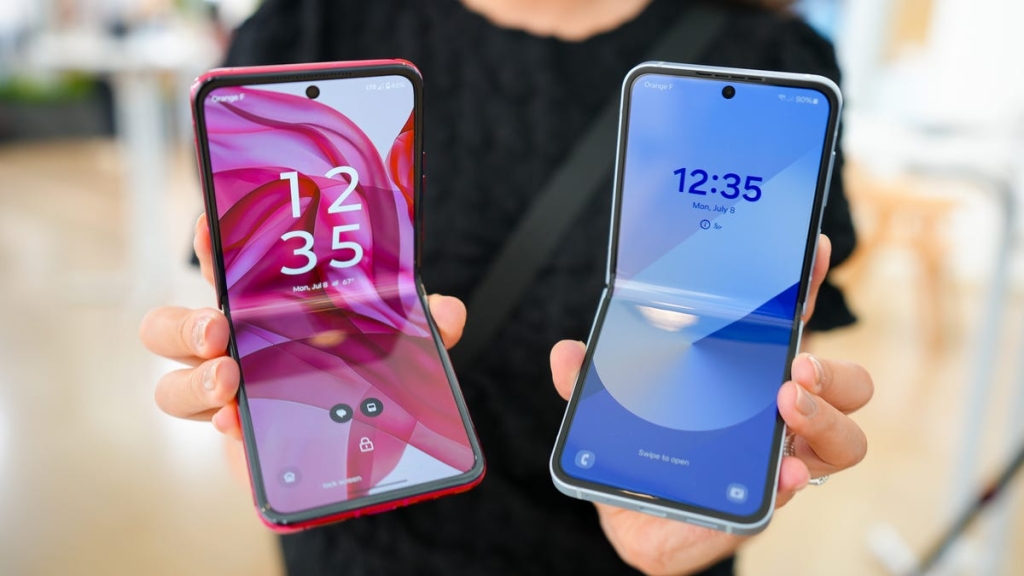
Motorola’s Foldable Reign: How the Razr Conquered the US Market
In a stunning reversal of fortunes, Motorola has emerged as the undisputed king of the US foldable phone market, commanding an eye-watering 50% market share that has left industry giants Samsung and Google scrambling to catch up. As the company prepares to launch its latest generation of Razr foldables, it’s worth examining how Motorola pulled off this David-vs-Goliath victory in one of tech’s most competitive arenas.
The Numbers Don’t Lie
According to fresh IDC research cited by 9to5Google, Motorola’s stranglehold on the American foldable market represents one of the most dramatic comeback stories in recent tech history. While Samsung has been perfecting foldables since 2019 and Google entered the fray with its Pixel Fold, Motorola has somehow managed to leapfrog both competitors in market share—a feat that seemed impossible just two years ago.
This isn’t just a US phenomenon either. Motorola’s foldable dominance extends across multiple international markets, suggesting that the company has cracked a formula that resonates globally, not just domestically.
The Three Pillars of Motorola’s Foldable Empire
Price: The Game-Changer Nobody Saw Coming
Let’s start with the most obvious differentiator: Motorola is selling fully functional foldable phones for prices that seem almost too good to be true. The 2024 Moto Razr starts at a jaw-dropping $399, while the premium Razr Plus 2024—a phone with flagship specs and build quality—is currently available for $799, down from its $1,399 launch price.
To put this in perspective, you could buy two Moto Razr 2024 foldables and still have enough left over for a family dinner at a mid-tier restaurant for what Samsung charges for its cheapest foldable, the Galaxy Z Flip FE, at $899. That’s not a typo, and it’s not a limited-time promotion—it’s Motorola’s actual pricing strategy.
This aggressive pricing approach has democratized foldable technology in a way that Samsung and Google simply cannot match. Where Samsung positions foldables as premium, aspirational devices, Motorola has positioned them as the next logical step in smartphone evolution—available to anyone who wants one.
Software: The Secret Sauce
Price alone doesn’t explain Motorola’s market dominance. The company has invested heavily in software optimization that makes its foldables genuinely useful, not just novel. Motorola’s Android implementation remains one of the cleanest and most intuitive in the industry, with thoughtful touches that competitors often overlook.
The cover screen experience on Motorola foldables is particularly noteworthy. Unlike Samsung’s more restrictive approach to which apps can run on the external display, Motorola allows users to run virtually any app they want. Yes, some apps work better than others, but the freedom to choose is empowering.
Motorola has also developed an impressive ecosystem of cover screen panels and widgets specifically designed for the external display. These aren’t afterthoughts—they’re core features that make the foldable form factor genuinely useful for one-handed operation.
Perhaps most cleverly, Motorola partnered with GameSnacks to preload a suite of mini-games optimized for the cover screen. Titles like Stack Bounce and Free Kick Football transform dead time into entertainment opportunities, making the external screen genuinely engaging rather than just a notification center.
Fashion: The Razr’s Secret Weapon
Motorola has brilliantly leveraged the Razr’s heritage as a fashion icon. Even the entry-level models come in eye-catching colors and finishes that make them stand out in a sea of black rectangles. This isn’t just about aesthetics—it’s about creating an emotional connection with the product.
The company has also invested in fashion-forward accessories and limited-edition collaborations that keep the Razr feeling fresh and desirable. The upcoming FIFA 2026 edition Razr phones represent a masterstroke of marketing timing, aligning the product launch with one of the world’s most-watched sporting events.
This FIFA partnership is particularly shrewd. The World Cup commands a global audience that transcends typical smartphone demographics, potentially introducing the Razr brand to millions of new customers who might not otherwise consider a foldable phone.
The Competition’s Dilemma
Samsung and Google face a fundamental challenge in competing with Motorola’s value proposition. Both companies have invested heavily in premium foldable technology and understandably want to maintain healthy profit margins. Samsung, in particular, has positioned foldables as its answer to Apple’s iPhone dominance in the premium segment.
Motorola’s success forces both competitors to reconsider their strategies. Can Samsung justify charging nearly double for a comparable experience? Can Google compete on price while maintaining its premium brand positioning? These are questions that will shape the foldable market in the coming years.
Looking Ahead: The Next Chapter
As Motorola prepares to launch its next generation of foldables, the company finds itself in an enviable position. It has proven that foldables can be mainstream devices, not just niche products for early adopters and tech enthusiasts.
The real test will be whether Motorola can maintain its momentum as the market matures. Will competitors respond with more aggressive pricing? Will Motorola’s software advantages erode as others catch up? Can the company sustain its fashion-forward approach without appearing gimmicky?
One thing seems certain: Motorola has permanently altered the foldable landscape. By proving that innovative technology doesn’t need to come with a premium price tag, the company has opened the floodgates for broader adoption of foldable devices.
The Razr’s resurgence represents more than just a business success story—it’s a reminder that in technology, as in life, innovation often comes from unexpected places. Motorola, once written off as a relic of the pre-smartphone era, has reinvented itself as a leader in one of tech’s most exciting categories.
As we await the next generation of Razr devices, one question looms large: Can anyone stop Motorola’s foldable revolution? Based on current market dynamics, the answer appears to be a resounding “not anytime soon.”
#Motorola #Razr #FoldablePhones #TechNews #MobileInnovation #Samsung #Google #SmartphoneMarket #TechRevolution #BudgetFoldables #MobileTechnology
“50% market share dominance”
“Motorola’s foldable comeback story”
“$399 foldable phone reality”
“Demystifying foldable technology”
“The Razr renaissance”
“FIFA partnership game-changer”
“Cover screen freedom”
“Fashion-forward foldables”
“Tech democratization in action”
“The $800 flagship phenomenon”
“Software optimization mastery”
“Unexpected market disruptor”
“Premium features, budget prices”
“Foldable technology for everyone”
“Motorola’s three-pillar strategy”
“The end of foldable elitism”
“Tech innovation meets affordability”
“Market share magic formula”
“Smartphone industry shakeup”
“The new foldable normal”,


Leave a Reply
Want to join the discussion?Feel free to contribute!