
Is Mobile Hotspot Or USB Tethering Faster? Here’s What You Need To Know
Mobile Hotspot vs. USB Tethering: Which is Faster? Here’s What You Need to Know
In today’s fast-paced digital world, staying connected is more important than ever. Whether you’re traveling, working remotely, or just need a quick internet fix, your smartphone can be a lifesaver. But when it comes to sharing your phone’s data with your laptop or other devices, should you rely on a mobile hotspot or opt for USB tethering? We’ve tested both, and the results might surprise you.
The Convenience of Mobile Hotspot
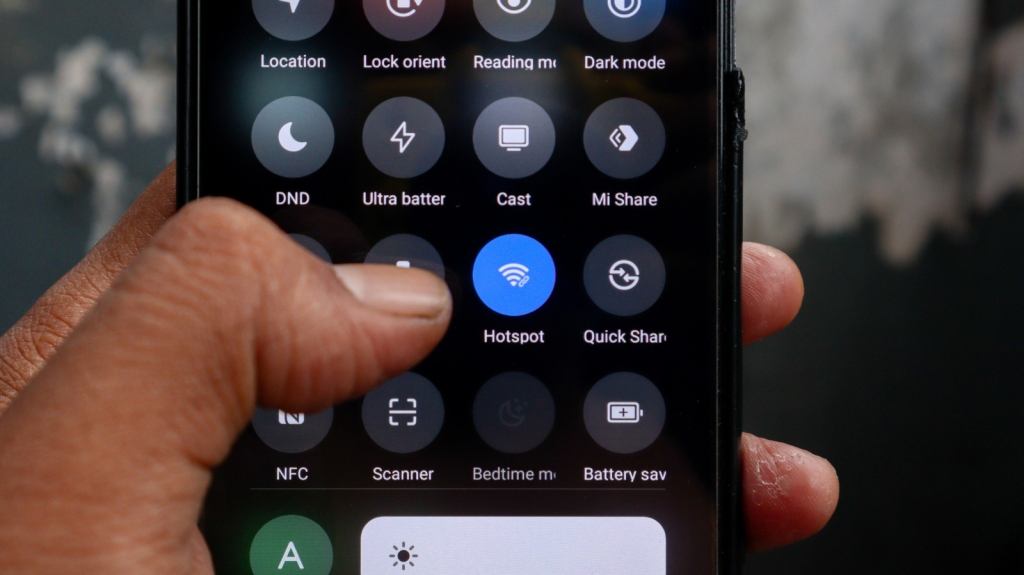
Mobile hotspots are incredibly convenient. With just a few taps on your smartphone, you can turn it into a mini router, allowing multiple devices to connect simultaneously. This is especially useful when you’re on the go or in a location with unreliable Wi-Fi. All you need is a smartphone with an active data plan, and you’re good to go.
However, convenience comes at a cost. Mobile hotspots are not the fastest way to share your phone’s data. They rely on wireless signals, which can be affected by interference from other devices, walls, or even appliances. Plus, using a hotspot can drain your phone’s battery quickly, leaving you scrambling for a charger.
The Speed Advantage of USB Tethering
USB tethering, on the other hand, offers a more stable and faster connection. By connecting your smartphone to your laptop via a USB cable, you can share your phone’s data directly. This wired connection eliminates the interference issues that can plague mobile hotspots, resulting in a more reliable and consistent internet experience.
In our tests, USB tethering consistently outperformed mobile hotspots. Using an iPhone 13, an Apple USB-C to Lightning cable, and a Dell Inspiron 2-in-1 laptop, we ran multiple speed tests using tools like Speedtest by Ookla and Fast.com. The results were clear: USB tethering delivered faster download and upload speeds compared to mobile hotspots.
For example, when testing the iPhone’s internet speed directly, we recorded a download speed of around 140 Mbps and an upload speed of 15.3 Mbps. When connected via USB tethering, the download speed dropped slightly to 105.24 Mbps, but it was still significantly faster than the mobile hotspot, which recorded a download speed of 77.12 Mbps—a 25% drop.
Why USB Tethering is Faster
The reason USB tethering is faster lies in the nature of the connection. Wired connections are inherently more stable and less prone to interference than wireless ones. This is why Ethernet is often preferred over Wi-Fi for tasks that require a reliable and fast internet connection. USB tethering works on the same principle, providing a direct, uninterrupted link between your phone and laptop.
Additionally, USB tethering offers other benefits. Since your phone is charging while connected, you don’t have to worry about battery drain. It’s also more secure, as the connection is private and less susceptible to hacking or interference from other devices.
When to Use Mobile Hotspot
While USB tethering is faster, mobile hotspots still have their place. If you need to connect multiple devices simultaneously, a hotspot is the way to go. Most smartphones allow you to connect 8-12 devices at once, making it ideal for group settings or when you’re sharing internet with friends or family.
Mobile hotspots are also more convenient for quick setups. You don’t need a cable, and you can move your devices around freely. Plus, they’re compatible with a wider range of devices, including those that don’t support USB tethering, like certain e-readers or tablets.
The Verdict: Speed vs. Convenience
So, which should you choose—mobile hotspot or USB tethering? It depends on your priorities. If speed and stability are your top concerns, USB tethering is the clear winner. It’s faster, more secure, and less prone to interference. However, if convenience and the ability to connect multiple devices are more important, a mobile hotspot is the better option.
In the end, both methods have their strengths, and the best choice depends on your specific needs. Whether you’re a digital nomad, a remote worker, or just someone who needs reliable internet on the go, understanding the differences between mobile hotspot and USB tethering can help you make the right decision.
Tags:
Mobile Hotspot, USB Tethering, Internet Speed, Data Sharing, Smartphone, Laptop, Wired Connection, Wireless Connection, Speed Test, Fast.com, Speedtest by Ookla, Battery Life, Security, Convenience, Performance, Tech Tips, Digital Nomad, Remote Work, Internet Connection, Data Plan.
Viral Phrases:
“Is Mobile Hotspot or USB Tethering Faster?” “Here’s What You Need to Know” “The Speed Advantage of USB Tethering” “Why USB Tethering is Faster” “The Verdict: Speed vs. Convenience” “Stay Connected Anywhere, Anytime” “Unlock the Full Potential of Your Smartphone” “The Ultimate Guide to Internet Sharing”
,

Leave a Reply
Want to join the discussion?Feel free to contribute!