
The Lenovo Legion Go S is RAMageddon’s latest victim
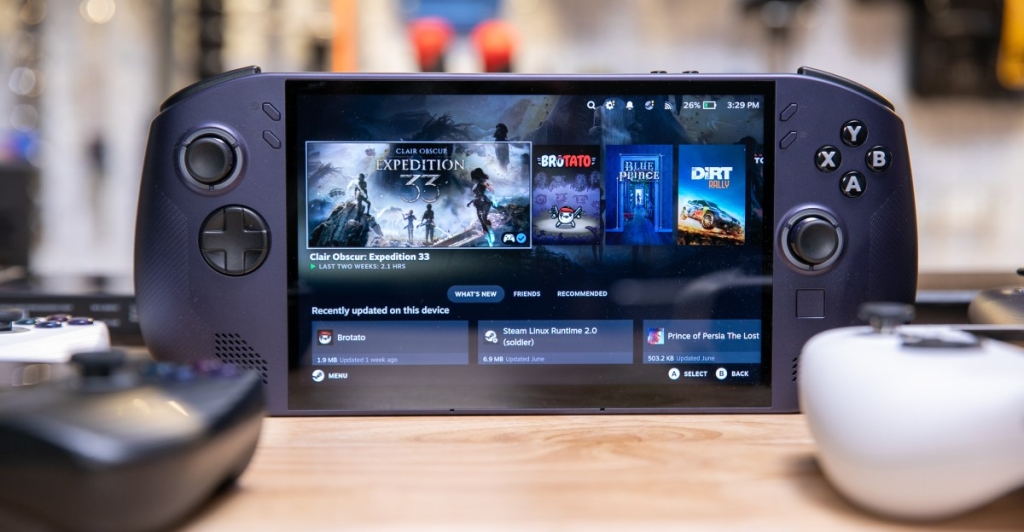
Lenovo Legion Go S Faces Major Price Hikes and Possible Discontinuation as RAM Shortage Crisis Deepens
In a shocking development that’s sending ripples through the gaming handheld community, Lenovo’s Legion Go S handheld gaming PC has undergone a dramatic transformation in both pricing and availability. What was once positioned as a competitive alternative in the burgeoning handheld gaming market has now become a cautionary tale about the volatile nature of PC component pricing and supply chain challenges.
The most striking change involves the premium Windows Z1 Extreme model, which has seen its price skyrocket to an eye-watering $1,679.99 at full retail. This represents a massive increase from its original launch price, positioning it well above many high-end gaming laptops and desktop configurations. The price hike is particularly jarring given that this model was initially marketed as a premium but accessible option for gamers seeking PC gaming on the go.
However, the situation becomes even more confusing when examining current retail listings. Best Buy currently lists the same Z1 Extreme model as “on sale” for $1,049.99, while B&H Photo offers it at $1,299.99. These discounted prices, while still significantly higher than the original MSRP, suggest a deliberate pricing strategy rather than simple market forces at work.
The pricing chaos extends beyond just the flagship model. Various configurations of the Legion Go S have mysteriously disappeared from both retail partner websites and Lenovo’s own online store. This vanishing act has led industry observers to speculate about the device’s future in Lenovo’s product lineup.
Industry analysts point to the ongoing “RAMageddon” crisis as the likely culprit behind these dramatic changes. The global memory shortage has created unprecedented volatility in RAM pricing, affecting everything from smartphones to high-end gaming PCs. For a device like the Legion Go S, which relies heavily on fast, high-capacity memory to deliver its gaming performance, these price fluctuations can be particularly devastating to profit margins.
The situation is further complicated by the fact that Lenovo has remained conspicuously silent on the matter. The company has not issued any official statements regarding the price increases, the disappearing product listings, or any potential plans for new models. This radio silence has only fueled speculation about the device’s future.
Adding another layer of intrigue to the situation, Lenovo’s website has begun referring to the current model as the “Lenovo Legion Go S Gen 1.” This subtle nomenclature change, detected through Google search results, strongly suggests that Lenovo may be preparing to launch an updated version of the device. Such a strategy would be consistent with how tech companies typically handle product transitions, using the “Gen 1” designation to clear inventory of the older model while building anticipation for the next generation.
The timing of these changes is particularly interesting when viewed against the broader handheld gaming market. Competitors like Valve’s Steam Deck, Asus’s ROG Ally, and various other Windows-based handhelds continue to operate in their established price ranges. This makes the Legion Go S’s price increases even more puzzling from a competitive standpoint.
Interestingly, Asus appears to be taking a different approach to the current market conditions. Anthony Spence, a representative for Asus, recently stated that there are “no price increases on the horizon, so far as I can tell” for the Xbox Ally X in the US market. This statement, which Spence confirmed remains accurate as of today, suggests that not all handheld gaming manufacturers are being equally affected by the current component shortage crisis.
The broader implications of this situation extend beyond just Lenovo and its Legion Go S. It highlights the fragility of the gaming hardware market in the face of global supply chain disruptions. For consumers, it serves as a reminder of how quickly the value proposition of tech products can change, sometimes literally overnight.
As the situation continues to develop, several key questions remain unanswered. Will Lenovo officially discontinue the current Legion Go S models? Is a Gen 2 version in the works, and if so, how will it address the pricing and availability issues of its predecessor? How will these changes affect Lenovo’s position in the increasingly competitive handheld gaming market?
For now, potential buyers are left in a state of uncertainty. Those considering a Legion Go S purchase must weigh the significantly increased costs against the device’s capabilities and the possibility of newer models on the horizon. Meanwhile, the broader gaming community watches closely to see how this situation will impact the future of Windows-based handheld gaming devices.
The coming weeks and months will likely provide more clarity on Lenovo’s strategy and the future of the Legion Go S line. Until then, this situation stands as a stark reminder of the challenges facing tech manufacturers in an era of supply chain volatility and component shortages.
Tags: #Lenovo #LegionGoS #GamingHandheld #RAMageddon #PCGaming #TechNews #HardwareShortage #GamingMarket #WindowsGaming #TechIndustry #SupplyChainCrisis #GamingDevices #HandheldGaming #TechUpdates #MarketAnalysis
Viral Phrases: “RAMageddon strikes again,” “handheld gaming apocalypse,” “price hike shockwave,” “gaming revolution disrupted,” “tech turbulence,” “component chaos,” “gaming gold rush gone wrong,” “handheld hysteria,” “pricing pandemonium,” “supply chain shockwave,” “gaming hardware headache,” “tech turmoil,” “market meltdown,” “gamer’s nightmare,” “inventory implosion,” “speculation station,” “industry intrigue,” “competitive conundrum,” “consumer confusion,” “future foggy,” “tech transformation,” “market mystery,” “gaming gambit,” “hardware havoc,” “price puzzle,” “availability anomaly,” “industry impact,” “gaming gamble,” “tech transition,” “market maneuvering,” “consumer caution,” “industry uncertainty,” “gaming guesswork,” “tech tension,” “market maneuvering,” “hardware hurdles,” “pricing puzzle,” “availability anxiety,” “industry implications,” “gaming guesswork,” “tech turbulence,” “market mystery,” “consumer concern,” “industry intrigue,” “gaming gamble,” “tech transition,” “market maneuvering,” “hardware hurdles,” “pricing puzzle,” “availability anxiety,” “industry implications.”
,

Leave a Reply
Want to join the discussion?Feel free to contribute!