
The Lyrid Meteor Shower Is About to Peak, With Better Views Than Usual : ScienceAlert
The Lyrid Meteor Shower 2026: A Cosmic Light Show That’s Out of This World
If you’ve been craving a little celestial magic, the universe is about to deliver in spectacular fashion. This year’s Lyrid meteor shower is gearing up to be a dazzling display, and the timing couldn’t be more perfect. Thanks to a dim crescent moon that will gracefully bow out before the show begins, stargazers across the Northern Hemisphere are in for an unforgettable night under the stars.
What Makes This Year’s Lyrid Meteor Shower Special?
The Lyrid meteor shower, one of the oldest recorded celestial events in human history, is set to peak on the night of April 21 into the early hours of April 22. NASA predicts that skywatchers could witness anywhere from 10 to 20 shooting stars per hour streaking across the spring sky. That’s right—20 meteors an hour, each one a tiny piece of cosmic debris burning up as it enters Earth’s atmosphere at breakneck speeds.
But what truly sets this year’s display apart is the absence of lunar interference. The crescent moon, which will be barely visible, will set early in the evening, leaving the night sky dark and pristine—perfect conditions for meteor spotting. No more battling the moon’s glare to catch a glimpse of those fleeting fireballs.
The Science Behind the Spectacle
Meteor showers occur when Earth passes through the debris trails left behind by comets. As our planet plows through these cosmic breadcrumbs, the particles—most no larger than a grain of sand—collide with our atmosphere at speeds of up to 110,000 miles per hour. The friction generates intense heat, causing the particles to vaporize and create the brilliant streaks of light we call shooting stars.
The Lyrids, however, are a bit of an anomaly. Unlike most meteor showers, which originate from comets, the Lyrids are the remnants of an icy wanderer known as Comet Thatcher. This ancient comet, which last visited our solar system in 1861, won’t return until 2276. But every April, Earth crosses paths with the debris it left behind, treating us to this annual celestial encore.
“We only get to see the actual comet once every 415 years,” explains Maria Valdes, a meteorite expert at the School of the Art Institute of Chicago. “But we pass through the grains that have been left in its wake every year around the same time.” It’s a cosmic reminder that even the most fleeting moments can leave a lasting legacy.
A Legacy Written in the Stars
The Lyrid meteor shower isn’t just a modern marvel—it’s a piece of living history. Recorded sightings of the Lyrids date back over 2,500 years, making it one of the oldest known meteor showers. Ancient Chinese astronomers documented the event as far back as 687 BCE, describing it as “stars falling like rain.” Imagine witnessing that—a sky so alive with light that it felt like the heavens themselves were weeping.
Fast forward to today, and the Lyrids continue to captivate. In 2012, astronaut Don Pettit captured a breathtaking view of the shower from the International Space Station, offering a perspective few will ever experience. The image—a glowing Earth with meteors streaking across its surface—serves as a humbling reminder of our place in the cosmos.
How to Catch the Show
Ready to witness this cosmic light show for yourself? Here’s what you need to know:
-
Timing is Everything: The best viewing will be after midnight on April 21, when the radiant point (the area of the sky where the meteors appear to originate) rises higher in the northeastern sky. The hours just before dawn are often the most rewarding.
-
Location, Location, Location: Escape the city lights and find a dark, open space. The less light pollution, the better. National parks, rural areas, or even a quiet backyard can be ideal.
-
Patience is Key: Your eyes need time to adjust to the darkness—about 15 to 30 minutes. Resist the urge to check your phone; even a quick glance can ruin your night vision.
-
Comfort is Crucial: Bring a lawn chair, a sleeping bag, or a blanket. Meteor watching is a waiting game, and you’ll want to be comfortable as you scan the sky.
-
Look to Lyra: The meteors will appear to radiate from the constellation Lyra, which is why they’re called the Lyrids. But don’t just stare at one spot—meteors can appear anywhere in the sky.
“A meteor looks like a trail of light in the sky,” says astronomer Lisa Will of San Diego City College. “What you tend to detect is the motion against the background.” In other words, keep your eyes moving and your senses sharp.
What’s Next?
If you miss the Lyrids, don’t worry—the universe has plenty more in store. The next major meteor shower, the Eta Aquarids, will peak in early May. This shower is caused by debris from Halley’s Comet, one of the most famous comets in history. While the Eta Aquarids are best viewed from the Southern Hemisphere, Northern Hemisphere stargazers can still catch a decent show.
And let’s not forget the Perseids in August, often considered the crown jewel of meteor showers. With up to 60 meteors per hour and warm summer nights, it’s an event you won’t want to miss.
The Bigger Picture
Meteor showers are more than just a pretty light show—they’re a reminder of the dynamic, ever-changing nature of our solar system. Each streak of light is a tiny piece of a much larger story, a story that stretches back billions of years to the formation of our solar system.
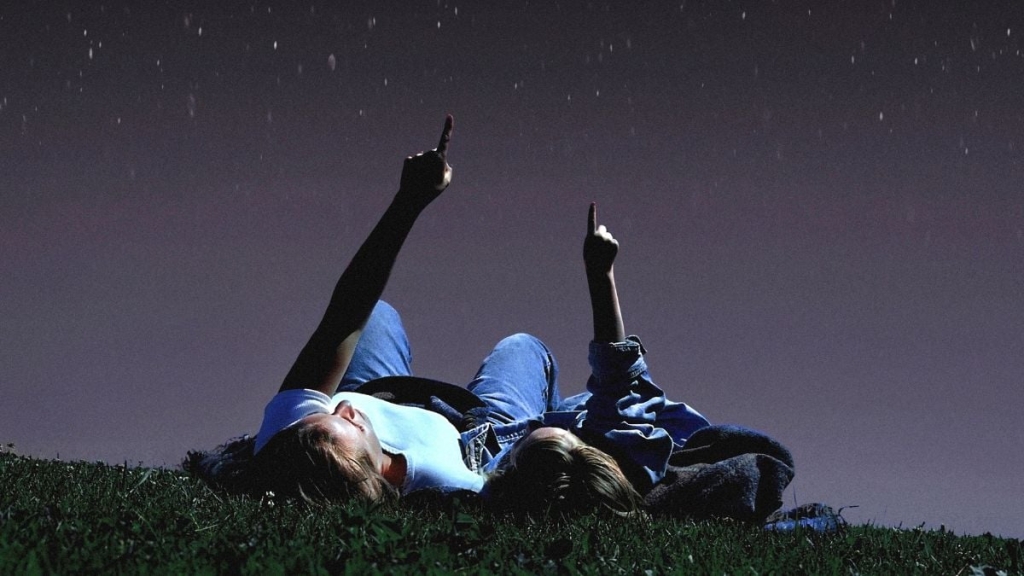
As you lie back and watch the Lyrids dance across the sky, take a moment to reflect on the vastness of the universe and our place within it. In a world that often feels chaotic and overwhelming, there’s something profoundly grounding about looking up and remembering that we’re all made of stardust.
So mark your calendars, set your alarms, and prepare for a night of cosmic wonder. The Lyrid meteor shower is coming, and it promises to be a show you’ll never forget.
Tags: #LyridMeteorShower #CosmicLightShow #ShootingStars #Astronomy #Space #MeteorShower #Stargazing #NightSky #CelestialEvents #CometThatcher #NASA #ScienceAlert #SpaceRocks #CosmicDebris #AstronomyLovers #Skywatching #CelestialMagic #MeteorWatch #AprilSkies #CosmicWonder
Viral Sentences:
- “The Lyrid meteor shower is about to light up the night sky—don’t miss it!”
- “20 shooting stars per hour? Yes, please!”
- “The moon won’t steal the show this time—perfect conditions for meteor spotting!”
- “Witness a cosmic event that’s been dazzling humans for over 2,500 years.”
- “Escape the city lights and let the universe put on a show just for you.”
- “Patience is key—but the payoff is out of this world.”
- “Every meteor is a tiny piece of cosmic history burning up in our atmosphere.”
- “The Lyrids are coming—are you ready to be amazed?”
- “Mark your calendars: April 21-22 is your chance to see the Lyrid meteor shower at its peak.”
- “From ancient Chinese astronomers to modern stargazers, the Lyrids have captivated humanity for millennia.”
,


Leave a Reply
Want to join the discussion?Feel free to contribute!