
The same Microsoft Surface I bought 4 months ago is 69% more expensive now – here’s why
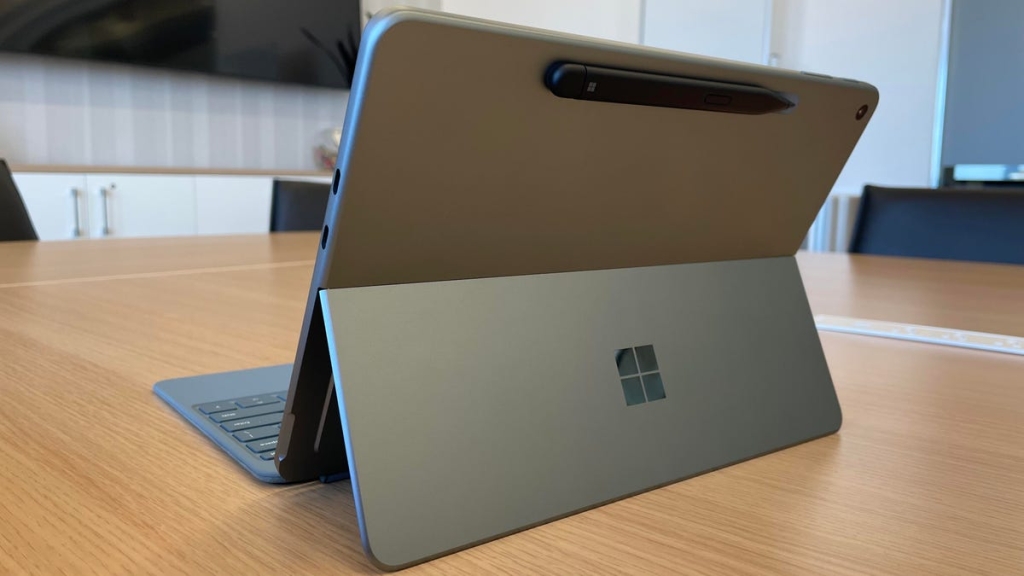
PC Memory and Storage Prices Skyrocket, Sending Surface Costs Soaring by 69% in Four Months
A Memory Crisis Is Shaking the PC Industry
If you thought your grocery bill was getting out of hand, brace yourself for what’s happening in the PC market. A new Gartner report predicts that the combined cost of DRAM and SSD storage will surge by a staggering 130% by the end of 2026, driven by insatiable demand from cloud providers building AI infrastructure.
This isn’t just a minor price bump—it’s a full-blown crisis that’s already hitting consumers hard, especially those eyeing Microsoft’s Surface lineup.
Microsoft Surface Prices Explode Overnight
ZDNET can confirm that Microsoft has implemented massive price hikes across its Surface portfolio. In just four months, some configurations have seen price increases as high as 69%.
Consider this real-world example: In December 2025, a top-tier Surface Pro with Snapdragon X Elite processor, OLED display, 32GB RAM, and 1TB SSD cost $1,822.17 including tax and warranty. Today? That same configuration now costs $3,071.63—a 69% increase with no Type Cover included.
The pain isn’t limited to premium models. The base 12-inch Surface Pro with 16GB RAM and 256GB SSD jumped from its launch price of $729 (on sale) to a current starting price of $1,050—a 37% increase in just nine months.
Why Is This Happening?
The culprit is clear: AI data centers are consuming memory and storage at unprecedented rates, creating a supply shortage that chip manufacturers can’t quickly resolve. Gartner’s research principal Rishi Padhi explains that the current 4% year-over-year growth in PC shipments is “artificially inflated” as vendors stockpile inventory ahead of expected Q2 price hikes.
Microsoft confirmed the situation in a statement: “Due to recent increases in memory and component costs, Surface is updating pricing on Microsoft.com for its current-generation hardware portfolio.”
The PC Market Faces an Existential Threat
Before these price increases, Microsoft’s Surface business was already struggling. The company doesn’t break out PC sales figures, but Gartner’s Q1 2026 report paints a grim picture. While Dell and Lenovo saw year-over-year growth, HP shipments declined, and Microsoft wasn’t even in the top six global suppliers—instead being lumped into an “Others” category that saw a 4.6% decline.
Gartner predicts the average PC price will increase by 17% by the end of 2026, leading to dramatically lower shipments as consumers and businesses hold onto existing devices longer. The firm forecasts that the sub-$500 entry-level PC segment will disappear entirely by 2028.
Apple’s Secret Weapon: Integrated Memory
While Windows PC makers scramble, Apple has found a clever workaround with its $599 MacBook Neo. The device uses Apple’s A18 Pro SoC, which includes 8GB of RAM integrated directly into the chip package—similar to how iPhones handle memory.
This unified memory architecture means Apple doesn’t have to compete for DRAM on the open market. As WCCF Tech reports, the A18 Pro uses TSMC’s InFO-POP technology, with DRAM sitting directly on top of the die. This integration provides performance that rivals entry-level PC processors while avoiding the memory shortage entirely.
The Windows PC Dilemma
PC manufacturers using Qualcomm, Intel, and AMD chips don’t have this option. These companies don’t offer SoCs with integrated memory suitable for lightweight PCs, and even if they did, 8GB wouldn’t meet Windows 11’s requirements for demanding workloads.
This creates a perfect storm: Windows PC makers trying to compete at the low end—where they’ve traditionally had a price advantage—are now at a severe disadvantage. Gartner predicts global PC shipments will contract by more than 10% in 2026, with Windows PCs likely seeing even steeper declines.
Apple’s Unexpected Success Problem
Ironically, the MacBook Neo might be too successful. Initial production was planned around five to six million units using chips that would otherwise have been scrapped. However, demand has been so strong that Apple may run out of A18 Pro chips before the second-generation model with A19 Pro is ready next year.
This “good problem” stands in stark contrast to the chaos facing PC manufacturers dealing with the overheated component market.
What This Means for You
If you’re considering buying a PC in 2026, expect to pay significantly more—or settle for significantly less performance. The days of affordable entry-level Windows laptops appear numbered, with the sub-$500 segment projected to vanish by 2028.
For Microsoft’s Surface division, the outlook is particularly concerning. As one of the companies most exposed to these price increases, they face an uphill battle maintaining market share while dealing with component costs that are spiraling out of control.
The PC industry is at a crossroads, and the path forward looks increasingly expensive for consumers and increasingly challenging for manufacturers not named Apple.
Tags: PC prices 2026, memory crisis, Surface price increase, DRAM shortage, SSD costs, AI PC market, MacBook Neo, Windows 11 requirements, PC industry collapse, component shortages, Microsoft Surface, Apple M-series, integrated memory, PC market forecast, technology news 2026
Viral Sentences:
- “PC prices are about to get 130% more expensive—and your Surface just got 69% pricier overnight”
- “The $500 laptop is officially dead—here’s why you’ll never see it again”
- “Apple’s secret weapon against the memory crisis: chips that think for themselves”
- “Microsoft’s AI dreams are being crushed by the very cloud infrastructure they built”
- “The PC market is shrinking faster than your retirement savings in 2025”
- “Why buying a Windows laptop in 2026 might be the worst tech decision you make”
- “Apple just made every other PC manufacturer look completely incompetent”
- “The memory shortage is so bad, even Microsoft can’t afford to make Surfaces anymore”
- “Your next PC will cost more than your first car—thanks to AI data centers”
- “The $600 MacBook Neo is single-handedly destroying the Windows laptop market”
,


Leave a Reply
Want to join the discussion?Feel free to contribute!