
Maryland session ends leaving sweepstakes gaming bills stalled once again as SGLA celebrates
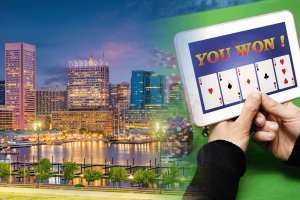
Maryland’s 2026 Legislative Session Ends Without Sweepstakes Gaming Bills, SGLA Declares Victory
Maryland’s 2026 legislative session concluded on April 13 without the passage of two controversial bills targeting sweepstakes-style gaming, leaving the state’s digital gaming landscape unchanged for at least another year. The bills, HB 295 and HB 1226, both passed the House of Delegates but stalled in the Senate, mirroring the legislative gridlock that occurred in 2025.
The Legislative Battle and Its Implications
The measures were designed to address what lawmakers viewed as a regulatory gap in Maryland’s gaming laws. HB 295 would have established licensing requirements for sweepstakes operators, while HB 1226, titled the “Maryland Illegal Online Gambling Enforcement Act,” proposed aggressive enforcement mechanisms including cease-and-desist authority for the attorney general.
The Social Gaming Leadership Alliance (SGLA), representing companies in the sweepstakes sector, celebrated the legislative outcome as a significant victory. Sean Ostrow, SGLA Managing Director, stated that the organization spent months educating lawmakers about the industry’s existing consumer protections and economic contributions.
“We are pleased with this result in Maryland and want to thank the Maryland lawmakers who took the time to thoroughly consider this issue,” Ostrow said. “Over multiple hearings and dozens of meetings, SGLA addressed false allegations by casino interests by demonstrating that the Social Plus industry already offers strong consumer protections and contributes to Maryland’s economy, while pushing back against efforts to misrepresent long-standing lawful activity as gambling.”
The Enforcement Controversy
HB 1226 drew particular attention from legal experts due to its broad enforcement provisions. The bill would have authorized the attorney general to issue cease-and-desist orders to sweepstakes operators and maintain a public list of non-compliant sites. More controversially, it extended potential liability to platform providers, hosting companies, payment processors, and credit card issuers.
Legal observers raised concerns about the bill’s jurisdictional reach. “I haven’t seen it before in gaming in a criminal context like this,” noted Rob Ruben from Duane Morris LLP, highlighting the unprecedented nature of targeting third-party service providers in online gaming enforcement.
Maryland’s Existing Enforcement Actions
The state’s Gaming Commission has already demonstrated its willingness to take direct action against sweepstakes operators. In November 2025, the commission sent cease-and-desist letters to Chumba Casino and Lucky Land Slots, ordering them to stop offering games involving chance and prizes without proper authorization in Maryland.
Regulators gave both companies 10 days to respond and outline their plans to cease operations in the state. This enforcement action occurred despite the absence of comprehensive legislation specifically addressing sweepstakes gaming, suggesting the commission is willing to act under existing gambling laws.
Public Opinion and Industry Response
The sweepstakes gaming debate has been complicated by competing narratives about public sentiment. A statewide poll released in October 2025 by the National Association Against iGaming claimed that 71% of Marylanders opposed some form of online gambling after being provided additional information about 24/7 smartphone casino access.
However, the SGLA and its members argue that their industry operates within legal boundaries and provides legitimate entertainment options. The alliance has positioned itself as willing to work with regulators to establish clear standards while maintaining that current operations are lawful.
Economic and Regulatory Considerations
The sweepstakes gaming industry has established itself as a significant player in Maryland’s digital economy. Industry representatives argue that their operations generate tax revenue and create jobs while operating within existing legal frameworks. They contend that additional regulation should recognize the distinction between their business model and traditional gambling.
The stalled legislation leaves Maryland in a state of regulatory uncertainty. Operators continue their business activities while facing potential enforcement actions from the Gaming Commission. This creates a challenging environment for both industry participants and consumers.
Looking Ahead to 2027
With the 2026 session concluded, both sides are preparing for renewed legislative efforts in 2027. The SGLA has expressed eagerness to work with lawmakers to codify industry best practices that could provide regulatory clarity while maintaining consumer protections.
Casino industry representatives and anti-gambling advocates are likely to continue pushing for stricter regulations, arguing that the current environment allows for unlicensed gambling operations that exploit regulatory gaps.
The outcome of this ongoing debate will have significant implications for Maryland’s gaming landscape, consumer protection policies, and the state’s approach to regulating digital entertainment platforms that incorporate elements of chance.
As Maryland lawmakers return to Annapolis for the 2027 session, the sweepstakes gaming issue remains one of the most contentious and complex policy challenges facing the state, balancing economic interests, consumer protection, and the evolving nature of digital entertainment.
Tags: Maryland gaming, sweepstakes legislation, Social Gaming Leadership Alliance, online gambling enforcement, HB 295, HB 1226, Maryland Gaming Commission, Chumba Casino, Lucky Land Slots, digital gaming regulation, consumer protection, legislative gridlock, 2026 session, 2027 outlook
Viral Phrases: “legislative victory,” “regulatory uncertainty,” “enforcement controversy,” “jurisdictional reach,” “digital gaming landscape,” “consumer safeguards,” “economic contributions,” “policy challenges,” “industry best practices,” “unlicensed gambling operations”
Viral Sentences: “Maryland wrapped up its 2026 legislative session without approving two bills targeting sweepstakes-style gaming, keeping a familiar fight unresolved for at least another year.” “The split mirrors what happened in 2025, when a Senate-backed ban proposal stalled once it reached the House.” “Pressure on the market has not disappeared, with earlier this year’s HB 1226 drawing notice because of how it was written.” “The state has already shown it is willing to act against companies it says lack authorization.” “For now, operators will continue doing business while both sides prepare for another round in 2027.”
,

Leave a Reply
Want to join the discussion?Feel free to contribute!