
Scientists Discover a Surprising Way To Make Bread Healthier and More Nutritious
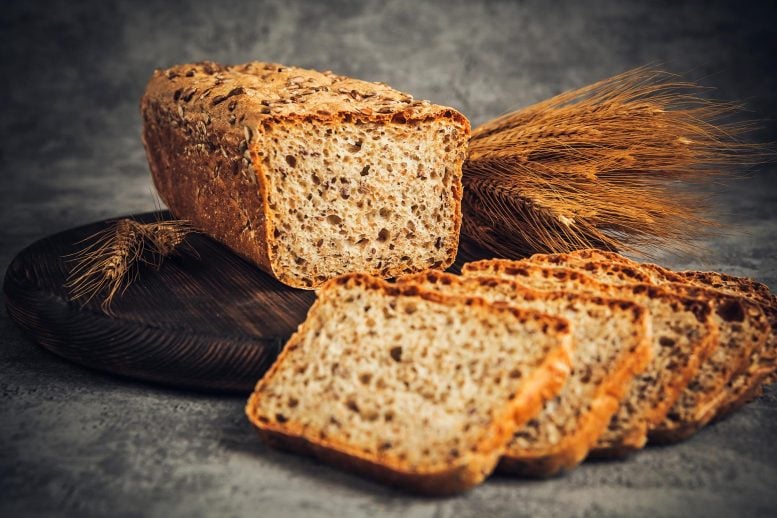
Scientists Uncover a Surprising Way To Make Bread Healthier and More Nutritious
Bread, a staple food enjoyed by millions worldwide, is about to get a revolutionary upgrade. Researchers at the National University of Singapore (NUS) have unveiled a groundbreaking method to enhance the nutritional value of bread by incorporating compounds from red dragon fruit peel—a by-product that is typically discarded. This innovative approach not only addresses food waste but also transforms an everyday food item into a powerhouse of health benefits.
Led by Professor Zhou Weibiao, a renowned expert in food science and technology, the NUS team has developed a process to extract bioactive compounds from red dragon fruit peel and integrate them into bread dough. The peel, often considered waste in the fruit processing industry, is rich in antioxidants, dietary fiber, and other nutrients that can significantly boost the health profile of bread.
The Science Behind the Innovation
Red dragon fruit, also known as pitaya, is celebrated for its vibrant color and unique flavor. However, its peel, which accounts for a significant portion of the fruit, is usually discarded due to its tough texture and lack of culinary appeal. Professor Zhou’s team recognized the untapped potential of this by-product and set out to explore its nutritional properties.
Through a series of experiments, the researchers discovered that the peel contains high levels of polyphenols, flavonoids, and dietary fiber—compounds known for their antioxidant and anti-inflammatory properties. By developing a method to extract these compounds and incorporate them into bread dough, the team was able to create a product that is not only more nutritious but also retains the taste and texture of traditional bread.
Health Benefits of the Enhanced Bread
The enhanced bread offers a range of health benefits that go beyond the nutritional profile of conventional bread. The addition of red dragon fruit peel compounds increases the bread’s antioxidant content, which helps combat oxidative stress and reduce the risk of chronic diseases such as heart disease and cancer. The higher fiber content also promotes better digestion and supports gut health, making it an ideal choice for those looking to improve their overall well-being.
Moreover, the bread’s glycemic index is lower than that of regular bread, making it a suitable option for individuals with diabetes or those aiming to manage their blood sugar levels. The researchers also found that the enhanced bread has a longer shelf life, thanks to the natural preservative properties of the antioxidants in the peel.
Addressing Food Waste and Sustainability
One of the most compelling aspects of this innovation is its potential to address the global issue of food waste. Red dragon fruit peel, like many other fruit by-products, is often discarded in large quantities, contributing to environmental pollution and resource inefficiency. By repurposing this waste into a valuable ingredient, the NUS team is not only creating a healthier product but also promoting sustainability in the food industry.
Professor Zhou emphasized the importance of this dual benefit, stating, “Our research demonstrates that food waste can be transformed into a resource that enhances both nutrition and sustainability. This approach aligns with the global push towards a circular economy and responsible consumption.”
The Future of Functional Foods
The success of this project opens the door to further exploration of functional foods—products that offer health benefits beyond basic nutrition. The NUS team is already looking into applying this method to other fruit by-products, such as citrus peels and mango skins, to create a range of enhanced food products.
This innovation also highlights the potential for collaboration between food scientists, nutritionists, and the food industry to develop solutions that address both health and environmental challenges. As consumers become increasingly conscious of the impact of their food choices, the demand for functional and sustainable products is expected to grow.
A Delicious Step Forward
While the enhanced bread is still in the research phase, the team is optimistic about its potential for commercialization. The next steps involve scaling up the production process and conducting sensory evaluations to ensure that the bread meets consumer expectations in terms of taste and texture.
For now, this discovery serves as a reminder that innovation often lies in the most unexpected places. By reimagining the potential of a commonly discarded by-product, Professor Zhou and his team have not only created a healthier bread but also set a precedent for sustainable food innovation.
As we look to the future, it’s clear that the intersection of science, sustainability, and nutrition will play a pivotal role in shaping the food industry. This surprising way to make bread healthier and more nutritious is just the beginning of what promises to be a transformative journey for food technology.
Tags and Viral Phrases:
- Revolutionary bread innovation
- Healthier bread with red dragon fruit peel
- Food waste turned into nutrition
- Sustainable food solutions
- Functional foods for better health
- Antioxidant-rich bread
- Low glycemic index bread
- Gut health and digestion
- Circular economy in food industry
- Science meets sustainability
- Game-changing food technology
- Nutritious and delicious bread
- Repurposing fruit by-products
- Healthier eating made easy
- Future of functional foods
- Eco-friendly bread innovation
- Reducing food waste globally
- Healthier bread for diabetics
- Longer shelf life bread
- Red dragon fruit peel benefits
- NUS food science breakthrough
- Healthier bread for everyone
- Sustainable nutrition solutions
- Healthier bread, happier planet
- Food innovation for a better future
,


Leave a Reply
Want to join the discussion?Feel free to contribute!