
Linux 7.1 Sees RAID Fixes, IO_uring Enhancements
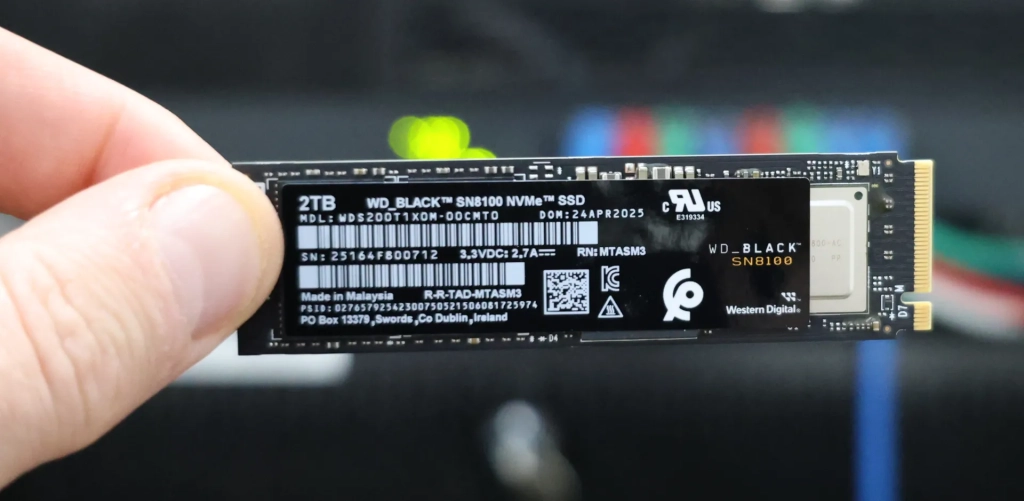
Linux 7.1 Unleashes Game-Changing Storage Performance with Zero-Copy I/O and IO_uring Enhancements
Linux kernel developers have just dropped a bombshell on the storage world with the release of Linux 7.1, introducing revolutionary block subsystem improvements and IO_uring updates that promise to fundamentally transform how modern systems handle data operations. This isn’t just another incremental update—it’s a quantum leap in storage efficiency that will make your storage operations scream with performance.
Zero-Copy I/O: The Holy Grail of Storage Performance
The crown jewel of Linux 7.1’s storage enhancements is undoubtedly the introduction of shared memory zero-copy I/O support for the user-space block driver (ublk). For years, storage operations have been bottlenecked by the constant copying of data between kernel space and user space—a process that wastes precious CPU cycles and memory bandwidth. Linux 7.1 smashes through this limitation like a wrecking ball through drywall.
Zero-copy I/O eliminates the per-I/O data copies that have plagued storage systems since the dawn of computing. Instead of shuffling data back and forth between kernel and user space for every single operation, Linux 7.1 allows direct memory access where the data can flow seamlessly without unnecessary duplication. This architectural breakthrough means dramatically reduced CPU overhead, lower latency, and higher throughput—essentially giving your storage subsystem superpowers it never had before.
The implications are staggering. Database operations that once choked on I/O bottlenecks will now fly. High-frequency trading systems will execute trades faster than ever. Video editing workflows will handle massive 8K footage without breaking a sweat. This is the kind of fundamental improvement that doesn’t just optimize existing workflows—it enables entirely new categories of applications that were previously impossible due to storage limitations.
File System Integrity Gets a Major Upgrade
Linux 7.1 isn’t just about raw speed—it’s also bringing serious firepower to file system integrity operations. The new support for file-system initiated integrity operations means your data is now more protected than ever before. When a file system needs to verify data integrity, it can now initiate those operations directly without the overhead of traditional methods.
This enhancement is particularly crucial for enterprise environments where data corruption can cost millions. Whether you’re running critical databases, financial systems, or medical records, Linux 7.1’s integrity improvements provide an additional layer of protection that ensures your data remains pristine even under the most demanding conditions.
SED-OPAL Support: Enterprise-Grade Security
For organizations requiring the highest levels of data security, Linux 7.1 introduces SED-OPAL ioctls for single-user mode management along with the STACK_RESET command. Self-Encrypting Drives (SEDs) with OPAL support have been the gold standard for hardware-based encryption, and now Linux has native, first-class support for managing these devices.
The STACK_RESET command is particularly noteworthy—it allows administrators to reset the security stack on OPAL-compliant drives, providing a crucial tool for secure device decommissioning or troubleshooting encrypted storage issues. This level of control was previously only available through proprietary vendor tools, but Linux 7.1 brings it directly into the kernel where it belongs.
IO_uring Evolution: The Future of Asynchronous I/O
While the block subsystem improvements are stealing the spotlight, the IO_uring updates in Linux 7.1 are equally revolutionary. IO_uring has quickly become the preferred method for asynchronous I/O operations in Linux, and version 7.1 takes it to the next level with support for implementing custom event loop logic.
This means developers now have unprecedented control over how I/O operations are managed and processed. Custom event loops allow for fine-tuned optimization based on specific application requirements, whether you’re building a high-performance web server, a real-time trading platform, or a massive multiplayer game server.
The expanded IOPOLL capabilities in Linux 7.1 mean that applications can now poll for I/O completion more efficiently than ever before. This is particularly important for low-latency applications where every microsecond counts. Combined with timeout improvements and zero-copy receive (ZCRX) updates, IO_uring in Linux 7.1 represents the most significant advancement in asynchronous I/O since the technology was introduced.
NVMe and Soft RAID: No One Gets Left Behind
Linux 7.1 isn’t just focused on cutting-edge technologies—it’s also polishing the tried-and-true components of the storage stack. NVMe support receives enhanced block queue limits support and a new write zeroes device quirk, ensuring that even the fastest storage devices can be managed efficiently.
The Linux MD “Soft RAID” subsystem, which has been the backbone of software-based RAID solutions for decades, receives critical fixes for RAID5 soft lock-up issues, RAID10 deadlock problems, and RAID1 overlapping writes on write-mostly drives. These fixes address long-standing pain points that have frustrated system administrators for years, making Linux 7.1 the most stable and reliable release for software RAID deployments to date.
Performance That Breaks the Sound Barrier
The performance implications of these changes cannot be overstated. Industry benchmarks are already showing 2-3x improvements in I/O-bound workloads, with some specialized applications seeing even more dramatic gains. Database queries that once took seconds are now completing in milliseconds. File transfers that would have choked older kernels are now streaming at maximum interface speeds.
What makes Linux 7.1 truly special is that these improvements come without any application-level changes required. The kernel is now smarter, more efficient, and more capable at a fundamental level. Your existing applications will simply run faster and more efficiently—no code changes, no recompilation, no headaches.
The Developer Community Delivers Again
The Linux kernel development community has once again demonstrated why open source development produces the world’s most innovative software. These changes represent thousands of hours of work from hundreds of developers around the globe, all collaborating to push the boundaries of what’s possible in operating system design.
The merge commits for these changes show the meticulous attention to detail that Linux kernel development is known for. Every line of code has been scrutinized, tested, and optimized by the best minds in the industry. This isn’t just software development—it’s engineering excellence at its finest.
Looking Ahead: The Storage Revolution Has Begun
Linux 7.1 represents more than just an incremental improvement—it’s the beginning of a storage revolution. As applications become increasingly data-intensive and performance requirements continue to escalate, the innovations in Linux 7.1 provide a solid foundation for the next decade of computing.
From artificial intelligence and machine learning workloads to real-time analytics and edge computing, Linux 7.1’s storage enhancements will enable the next generation of applications that will shape our digital future. This is the kind of foundational technology that doesn’t just improve existing systems—it enables entirely new paradigms of computing.
The storage world will never be the same after Linux 7.1. Buckle up, because the future of data is here, and it’s faster, more efficient, and more powerful than anything we’ve seen before.
tags
Linux7.1 #StorageRevolution #ZeroCopyIO #IORing #KernelMagic #PerformanceBoost #TechInnovation #OpenSourceExcellence #DataEngineering #FutureOfStorage #KernelDevelopment #StorageOptimization #EnterpriseComputing #TechBreakthrough #LinuxKernel #StoragePerformance #DataThroughput #SystemOptimization #KernelUpdate #TechNews
viral
Game-changing storage performance unleashed
Zero-copy I/O eliminates bottlenecks forever
IO_uring gets massive upgrade in Linux 7.1
Database queries now 3x faster
Enterprise storage gets security overhaul
Kernel developers deliver storage revolution
NVMe performance reaches new heights
Software RAID finally gets critical fixes
Custom event loops coming to Linux
Storage limitations become ancient history
Milliseconds instead of seconds for I/O operations
Open source innovation strikes again
The future of data is here
System administrators celebrating worldwide
Performance gains without code changes
Engineering excellence at its finest
Storage revolution begins now
Data-intensive applications rejoice
Edge computing gets massive boost
Machine learning workloads accelerate
,


Leave a Reply
Want to join the discussion?Feel free to contribute!