
What Happens To All The Items Left Behind At TSA Checkpoints?
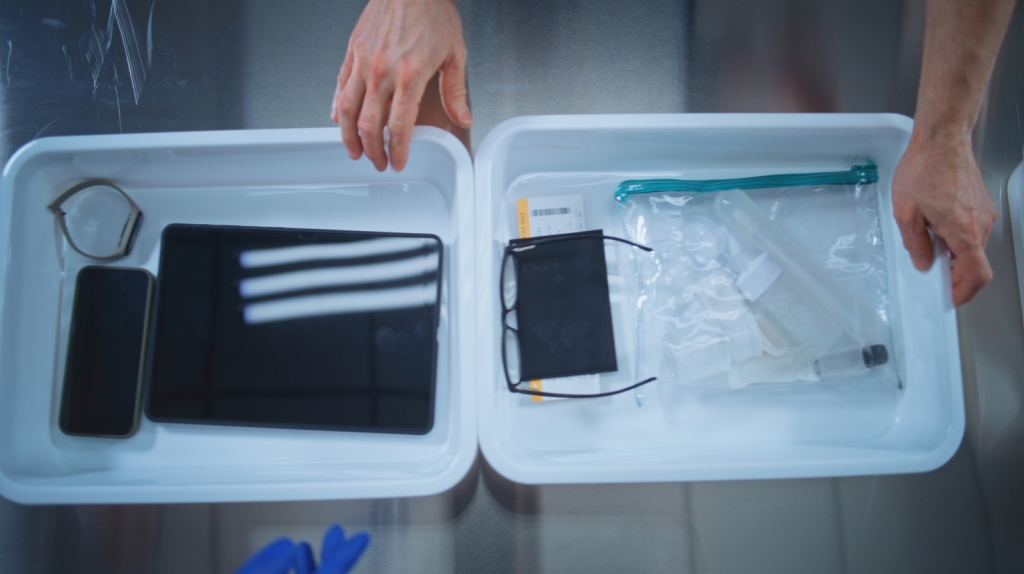
What Happens to All the Items Left Behind at TSA Checkpoints? A Deep Dive into America’s Forgotten Airport Treasures
If you’ve ever rushed through airport security, juggling your shoes, belt, laptop, and dignity, you’re not alone. Every day, millions of travelers pass through TSA checkpoints across the United States, and every month, between 90,000 and 100,000 items are left behind in the chaos. From loose change to laptops, passports to pocket knives, the TSA is essentially running one of the largest lost-and-found operations in the country. But what actually happens to all that stuff? Let’s unpack the journey of forgotten airport belongings—and why some end up funding the national debt.
The Cash Cow: Millions in Loose Change
It turns out that the most commonly forgotten item isn’t your phone or your dignity—it’s spare change. In 2025 alone, the TSA collected a staggering $967,897.97 in unclaimed coins and bills from security checkpoints. Most of this comes from travelers who empty their pockets into bins and then walk away without reclaiming their loot.
When the TSA finds money, they attempt to return it to its owner. But when that’s not possible, strict protocols kick in. The agency must track and report every cent to Congress and multiple oversight committees. Foreign currency is converted to U.S. dollars to avoid exchange fees. And here’s the kicker: all unclaimed cash is funneled directly into the TSA’s budget to fund its mission of keeping air travel safe. So, in a way, forgetting your quarters might be helping fund the next generation of body scanners.
Lost and Found: The First Stop for Forgotten Items
For physical items like laptops, phones, wallets, belts, and passports, the TSA operates a centralized Lost and Found system. If you realize you’ve left something behind, you can check their online database or contact the airport directly. But time is of the essence.
The TSA holds onto unclaimed items for at least 30 days. After that, the fate of your forgotten belongings depends on what they are. Electronics are wiped clean and their hard drives destroyed to protect your data. Sensitive documents like passports and driver’s licenses are shredded. Weapons—yes, people try to bring those through security—are handed over to local law enforcement. In 2024, the TSA intercepted 6,678 firearms at checkpoints, a sobering reminder that not everyone reads the rules.
The Auction Block: Where Lost Luggage Meets Government Surplus
After the 30-day holding period, items that remain unclaimed are shipped to state surplus property agencies. From there, they might be recycled, donated, destroyed—or sold to the highest bidder. The TSA partners with platforms like GovDeals, a government surplus marketplace where everything from sunglasses to snow globes can be auctioned off.
Once sold, the proceeds go to the U.S. Department of the Treasury and are used to pay down the national debt. It’s a strange twist: your lost iPhone could end up helping Uncle Sam balance the books.
Some items, especially luggage, are sold through “lost luggage auctions,” sometimes called “suitcase gambling.” Bidders buy unopened bags sight unseen, hoping to strike gold. It’s a bit like the storage unit auctions you’ve seen on reality TV, but with a distinctly airport twist.
How to Avoid Becoming a Statistic
The best way to ensure your belongings don’t end up in a government auction is to stay organized. Label everything with your contact information. Double-check the bins and conveyor belts before you leave the security area. And if you do lose something, act fast—the 30-day window closes quickly.
Also, keep in mind that if you voluntarily leave an item behind (say, because it’s prohibited), it won’t get the same grace period as something you accidentally forgot. In those cases, TSA can dispose of it immediately.
The Bigger Picture: A System of Lost and Found
The TSA’s lost-and-found operation is a fascinating microcosm of modern travel. It’s a system built on trust, efficiency, and a little bit of luck. Every forgotten item tells a story—a rushed business traveler, a distracted parent, a first-time flyer overwhelmed by the process. And while it’s easy to laugh at the absurdity of leaving behind a laptop or a bag of coins, the system in place ensures that most items find their way home—or at least serve a greater purpose.
So next time you’re sprinting through security, take a breath. Your phone, your wallet, and your peace of mind will thank you. And who knows? Maybe that loose change you almost forgot will help fund the next generation of airport security.
Tags: TSA, airport security, lost and found, unclaimed items, travel tips, government surplus, airport hacks, forgotten belongings, security checkpoint, travel chaos, suitcase gambling, GovDeals, national debt, airport trivia, travel hacks
Viral Sentences:
- “Every month, 90,000 to 100,000 items are left behind at TSA checkpoints—here’s where they end up!”
- “Forgot your loose change at security? It might be funding the next body scanner.”
- “TSA collects nearly $1 million in unclaimed cash annually—mostly from forgotten coins.”
- “Lost your laptop at the airport? It could be auctioned off to pay down the national debt.”
- “Suitcase gambling: The wild world of lost luggage auctions explained.”
- “6,678 firearms were confiscated at TSA checkpoints in 2024—yes, really.”
- “The TSA’s lost-and-found is one of the largest in the country—here’s how it works.”
- “Your forgotten passport might be shredded after 30 days—label everything!”
- “From coins to contraband, here’s the journey of items left behind at security.”
- “Why your lost iPhone could end up helping Uncle Sam balance the books.”
,


Leave a Reply
Want to join the discussion?Feel free to contribute!