
The RAM shortage could last years
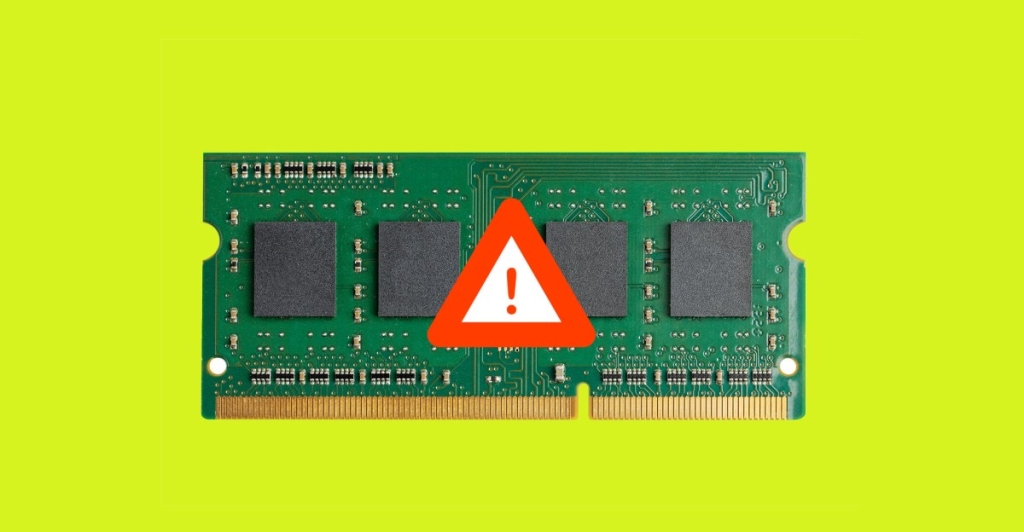
Global RAM Crisis Deepens: Prices Set to Soar as Shortage Extends to 2030
The world’s tech industry is bracing for a seismic shock as the global DRAM (Dynamic Random Access Memory) shortage shows no signs of abating, with experts now warning that the crisis could persist until 2030. According to a comprehensive report by Nikkei Asia, even with manufacturers rapidly expanding production capabilities, the semiconductor industry will only manage to fulfill approximately 60 percent of the surging global demand for memory chips by the end of 2027.
This alarming projection comes directly from SK Group chairman Chey Tae-won, who recently stated that the memory chip wafer shortage could extend well beyond the current decade, potentially lasting until 2030. This timeline represents a significant escalation from previous industry forecasts and signals troubling times ahead for consumers and manufacturers alike.
The shortage affects the backbone of modern computing—DRAM chips that serve as the short-term memory for virtually every electronic device in existence, from smartphones and laptops to servers and gaming consoles. As artificial intelligence applications continue their explosive growth across industries, the demand for these critical components has reached unprecedented levels, creating a perfect storm of supply constraints and insatiable market appetite.
The Manufacturing Response: Too Little, Too Late?
The three dominant players in the global memory market—Samsung, SK Hynix, and Micron—have all announced ambitious plans to expand their fabrication capacity. However, industry analysts suggest these efforts may be insufficient and arrive too late to prevent significant market disruption.
Samsung, the world’s largest memory chip manufacturer, has committed billions to new fabrication facilities, but construction timelines mean these plants won’t reach full production capacity until the late 2020s. SK Hynix has followed suit with similar expansion announcements, while Micron has outlined its own multi-year investment strategy to increase output.
Despite these massive capital investments, the timing couldn’t be worse. The semiconductor industry operates on extended production cycles, with new fabrication plants requiring three to five years from groundbreaking to full operational capacity. Even with current expansion efforts, the industry faces a substantial gap between supply and demand that will persist for years.
SK Hynix did manage to bring a new fabrication facility online in Cheongju, South Korea, in February 2025, representing the only significant increase in DRAM production capacity among the top three manufacturers for the current year. However, this single facility cannot possibly bridge the enormous gap between supply and the exponentially growing demand.
The Numbers Tell a Stark Story
According to Nikkei Asia’s analysis, DRAM production would need to increase by 12 percent annually throughout 2026 and 2027 to meet projected demand levels. This represents an extraordinarily ambitious target, considering that the semiconductor industry typically sees annual growth rates of 5-7 percent under optimal conditions.
Counterpoint Research, a leading market analysis firm, paints an even more concerning picture. Their data suggests that the planned production increases across the industry will only achieve a 7.5 percent annual growth rate—less than two-thirds of what’s required to satisfy market demand. This gap of nearly 5 percentage points annually translates to millions of DRAM chips that simply won’t exist, regardless of consumer need or willingness to pay.
The mathematics of the shortage become even more daunting when considering the compound effect over multiple years. A 4.5 percent annual shortfall doesn’t simply add up linearly—it compounds, creating an ever-widening gap that becomes increasingly difficult to bridge as time progresses.
The AI Factor: HBM Takes Priority
Perhaps the most significant factor exacerbating the consumer DRAM shortage is the industry-wide pivot toward high-bandwidth memory (HBM) production. HBM represents the cutting edge of memory technology, offering dramatically faster data transfer speeds essential for artificial intelligence workloads and high-performance computing applications.
Major manufacturers are redirecting their most advanced production lines and technological innovations toward HBM production, viewing it as the future of memory technology and a higher-margin product segment. This strategic shift makes perfect business sense for the companies involved but creates a challenging situation for traditional computing devices that rely on standard DRAM.
The prioritization of HBM over conventional DRAM means that even as new fabrication facilities come online, a disproportionate share of their output will be dedicated to AI and data center applications rather than consumer electronics. This reallocation of manufacturing capacity effectively reduces the available supply of standard DRAM chips precisely when demand is surging across all device categories.
Consumer Electronics Feel the Pinch
The ramifications of the DRAM shortage are already manifesting across the consumer electronics landscape, with price increases becoming increasingly common and manufacturers warning of potential product delays or cancellations.
Smartphone manufacturers have been among the first to feel the impact. Samsung, Apple, and other major phone makers have reported increased component costs, leading to higher retail prices for new models. Some companies have responded by reducing RAM configurations in certain models or shifting to more expensive memory alternatives to maintain performance standards.
The personal computer market faces similar challenges. Laptop manufacturers report that DRAM costs now represent a significantly larger portion of their bill of materials, forcing them to either absorb the increased costs—impacting profit margins—or pass them along to consumers through higher prices. Some manufacturers have opted to offer fewer configuration options or maintain existing price points while reducing memory specifications.
Virtual and augmented reality devices, which require substantial memory resources for immersive experiences, have seen some of the most dramatic price increases. Meta’s Quest 3S headset experienced a notable price hike directly attributed to memory component costs, making VR technology less accessible to mainstream consumers precisely when adoption rates were beginning to accelerate.
The gaming handheld market, which has experienced tremendous growth with devices like the Steam Deck, ROG Ally, and various Android-based portable consoles, now faces an uncertain future. Several manufacturers have announced price increases for existing models, while new product launches face delays as companies struggle to secure adequate memory supplies at reasonable prices.
The Broader Economic Impact
The DRAM shortage extends far beyond individual consumer devices, threatening to impact entire sectors of the global economy. Data centers, which form the backbone of cloud computing and digital services, require massive amounts of memory to operate efficiently. As AI workloads become more prevalent, these facilities need increasingly powerful and expensive memory solutions.
Enterprise computing faces similar challenges. Server manufacturers report extended lead times for DRAM components, potentially delaying critical infrastructure upgrades for businesses across all sectors. This could slow the digital transformation initiatives that many companies have prioritized in recent years.
The automotive industry, which has become increasingly dependent on sophisticated electronic systems, also relies heavily on DRAM for everything from infotainment systems to advanced driver assistance features. As vehicles become more technologically advanced, the memory requirements continue to grow, potentially impacting production schedules and vehicle pricing.
Looking Ahead: No Quick Fixes
Industry experts agree that there are no simple solutions to the current DRAM shortage. The semiconductor manufacturing process is extraordinarily complex, requiring massive capital investment, specialized equipment, and highly skilled workforce. Even if manufacturers were to announce additional expansion plans today, the benefits wouldn’t materialize for several years.
Some analysts suggest that the shortage could eventually self-correct through a combination of factors: technological innovations that reduce memory requirements, market saturation in certain segments, or economic conditions that dampen demand. However, these potential corrections are likely years away, and in the interim, consumers and businesses should prepare for continued price pressure and potential supply constraints.
The situation is further complicated by geopolitical tensions that affect the global semiconductor supply chain. Trade restrictions, export controls, and regional competition for technological supremacy all contribute to an environment where long-term planning becomes increasingly difficult and supply chain resilience remains elusive.
What This Means for Consumers
For everyday technology users, the DRAM shortage translates directly into higher prices and potentially reduced functionality. Consumers shopping for new devices should expect to pay premium prices for memory configurations that were previously standard or affordable. In some cases, manufacturers may offer devices with reduced memory specifications at lower price points, potentially impacting performance and longevity.
The gaming community faces particular challenges, as modern games continue to push the boundaries of memory requirements. Gamers may need to invest more heavily in memory upgrades or accept reduced performance as developers optimize their titles for systems with less available RAM.
Content creators, developers, and professionals who rely on memory-intensive applications should anticipate higher costs for system upgrades and potentially longer hardware refresh cycles as the economics of memory become less favorable.
Tags & Viral Phrases:
DRAM shortage 2030
Memory chip crisis
RAM prices skyrocketing
AI memory demand
HBM production priority
Tech industry supply chain
Semiconductor manufacturing
Global chip shortage
Consumer electronics prices
Gaming handheld costs
VR headset price increase
Laptop memory shortage
Smartphone RAM crisis
Data center memory needs
SK Hynix expansion
Samsung memory production
Micron DRAM capacity
Cheongju fab opening
Counterpoint Research analysis
Nikkei Asia report
Memory wafer shortage
Tech inflation 2025
Electronic device pricing
Enterprise computing impact
Automotive memory needs
Geopolitical tech tensions
Supply chain disruption
Memory technology pivot
AI data center requirements
Consumer tech affordability
Gaming performance impact
Content creation hardware
Professional computing costs
Digital transformation delay
Technology accessibility crisis
,


Leave a Reply
Want to join the discussion?Feel free to contribute!